


Since 1977: Your rug specialist
Tradition, expertise & verified quality
Hand-knotted rugs are created in months of painstaking handwork and are among the most valuable floor coverings. Since 1977 (in Hamburg since 2007) we have been offering a curated selection of knotted art from all the major regions.
… Products
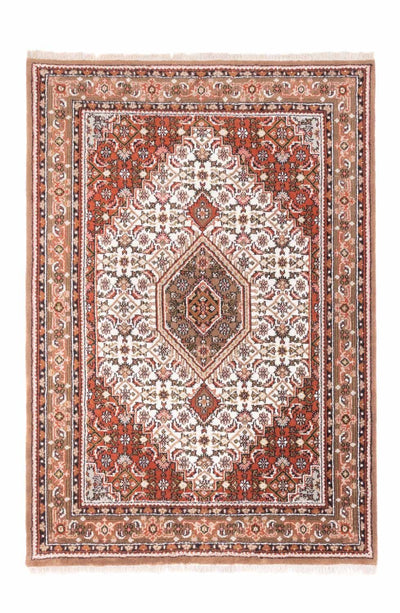

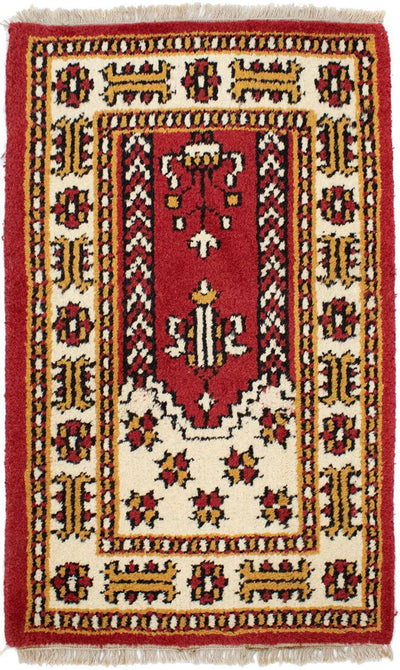
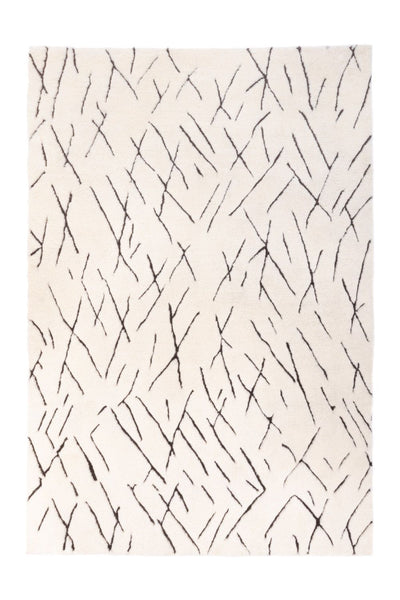
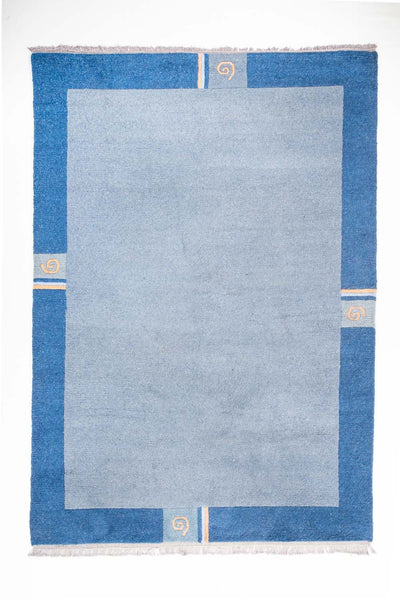
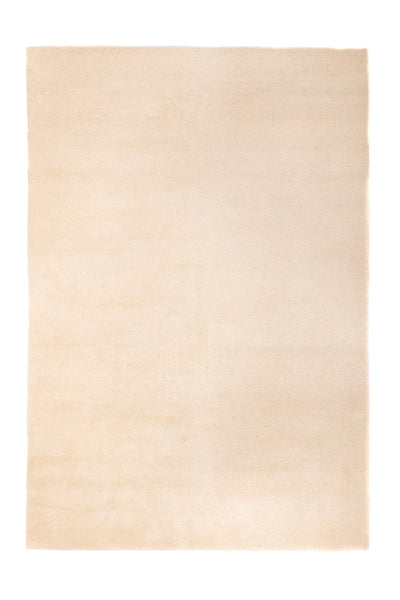

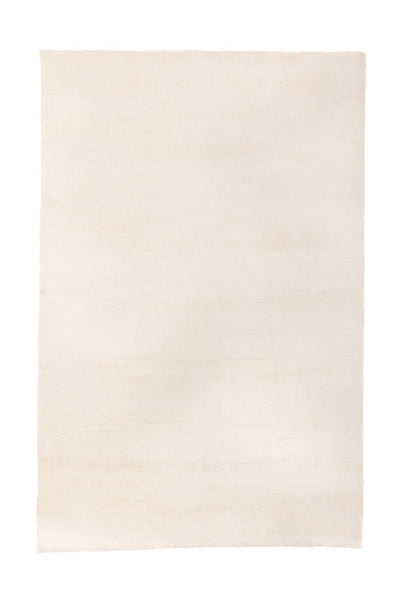
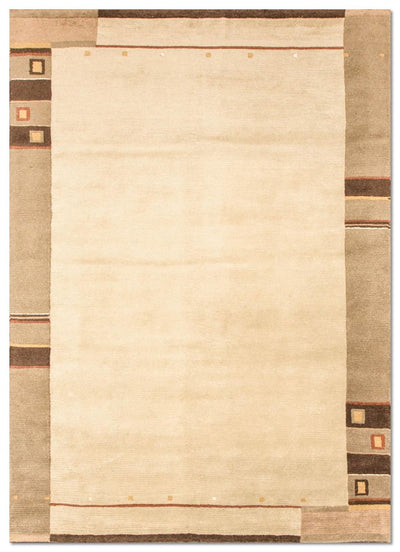
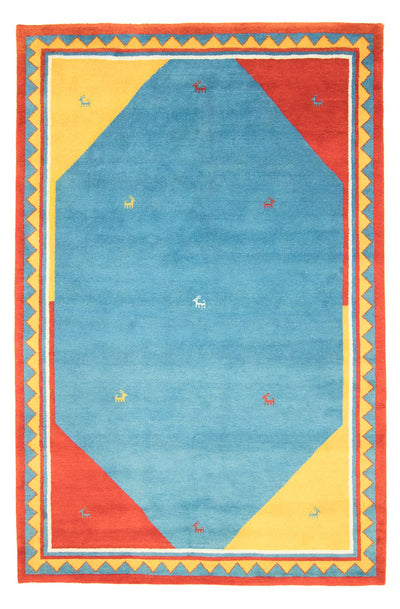
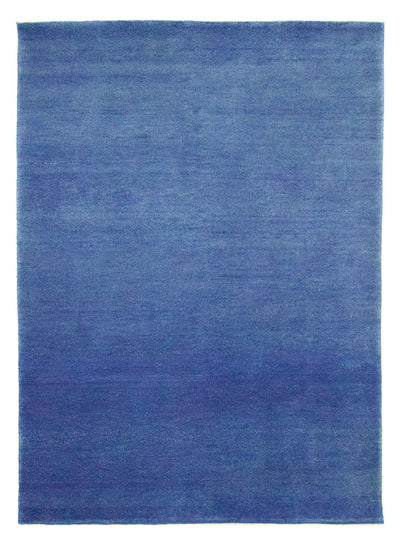

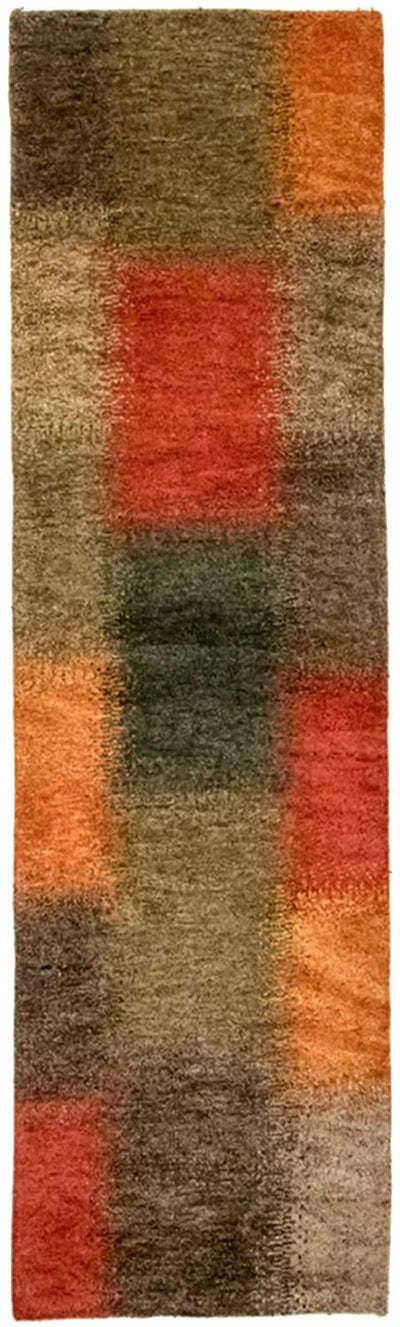
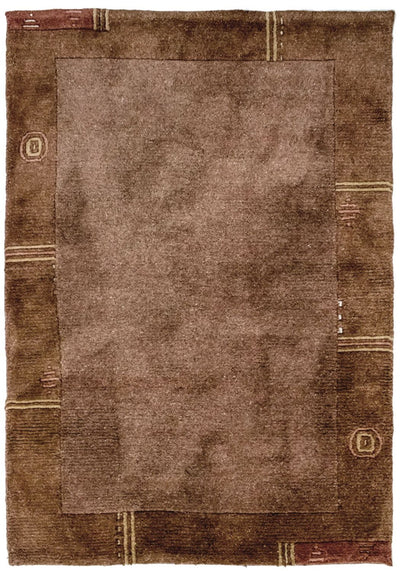
A hand-knotted rug is the result of months of handwork on the loom and is one of the most valuable floor coverings in the world. Every piece is unique, with its own knot density, colouring and regional pattern. Since 1977 (in Hamburg since 2007) we have offered a curated selection of genuine knotting art from all the major regions of origin.
The tradition of knotting goes back several centuries and has its origins among nomads in Central Asia and the Near East. While nomads made their rugs for their own use, specialised workshops developed in Persia, Turkey and the Caucasus. Over generations, these workshops perfected the knotting techniques and knot types that serve as hallmarks of quality today. A genuine hand-knotted rug is made exclusively by hand on the knotting loom. First the warp threads are stretched vertically, then the weft is woven in horizontally. This foundation weave forms the base into which the pile yarn is worked, knot by knot.
After each row, the knotter compacts the weave with a metal comb. The region of origin determines the materials, colour palette and motifs. Distinctive designs have become established from town to town and village to village. The knotting follows traditional patterns or is done freely from memory. Small workshops in rural areas often produce in small numbers, which makes each piece an individual work of art. The craft is passed down within the family and so stays alive over centuries. No flaw is like another; minimal irregularities are signs of genuine handwork. This tradition shapes the quality and character of every oriental rug in our range.
High-quality hand-knotted rugs are mostly made of virgin wool from sheep raised in mountain regions. This wool is distinguished by its durability, natural sheen and good cleaning properties. Silk is used for particularly precious pieces; it allows even finer knotting and creates a silky shimmer. Cotton in the pile or goat hair are used more rarely. The choice of material has a decisive influence on feel, appearance and durability. High-quality yarns of pure virgin wool guarantee the best quality for decades.
Knot density indicates how many knots were tied per square decimetre. Simple nomadic rugs reach 40,000 to 100,000 knots, while fine city pieces from Isfahan or Qom have 400,000 to more than a million knots. A higher density allows more detailed patterns and increases durability. At the same time, the time required rises exponentially; a large Persian rug can mean several years of work. The knots are tied individually by hand, which guarantees the uniqueness of every piece.
Two techniques dominate among knot types: the symmetrical Turkish knot and the asymmetrical Persian knot. The Persian knot allows finer details and is therefore preferred for demanding patterns. The warp threads are usually made of cotton, as it is less elastic than wool and gives the rug dimensional stability. The fringes at both ends are the visible continuations of these warp threads. A look at the fringes reveals a great deal about the quality of workmanship and the authenticity of the rug.
Natural dyes from plants, minerals and insects characterise traditional knotted work. Madder produces red tones, indigo gives blue, and pomegranate peel yields yellow. Modern workshops also use lightfast chrome dyes, which allow more brilliant colours. Dyeing takes place before knotting, and each batch shows slight colour variations. This is a sign of handwork and authenticity. The colour palette reflects the origin and cultural influences of each region.
The motifs of hand-knotted oriental rugs vary greatly from region to region. Persian pieces often show floral patterns with arabesques, palmettes and vases. The medallion design with a central ornament and corner pieces is particularly widespread. Caucasian rugs favour geometric shapes, stars and stylised animals. Turkish pieces combine both styles and often feature prayer niches. Each region has developed its own style, which has become established over centuries.
Nomadic rugs are characterised by reduced, archaic patterns. Qashqai nomads knot lozenges and hooks, while the Baluch use dark ground colours with small-scale ornaments. These rugs are made without a template, from memory, and often carry symbolic meanings. The tree of life for fertility, the scorpion as a protective symbol, hooks against the evil eye – all these forms have a deeper meaning. The original craftsmanship of the nomads still shapes many traditional designs today.
City workshops knot to precise designs drawn on graph paper. These pieces show complex compositions with up to twenty different colours. The Herati pattern with its lozenge and fish leaves is of Persian origin but is found in many regions. The boteh pattern (paisley) comes from Persian miniature painting and symbolises a flame or a pine cone. Classic designs like these have always shaped the category of hand-knotted rugs.
Modern knotted rugs adapt classic patterns or develop contemporary designs. Reduced patterns in more subtle colours reflect current interior trends. The craftsmanship stays the same while the aesthetics change. Each region of origin cultivates its own tradition, which explains the wide choice of styles. The variety ranges from antique patterns to modern interpretations, all united by authentic knotting art.
Hand-knotted rugs are made in standard sizes and to custom dimensions. Small formats start at 60 x 90 cm and work as an accent in front of armchairs or in entrance areas. Medium sizes from 170 x 240 cm to 200 x 300 cm are the most popular for living rooms and offer enough space under seating groups. These dimensions correspond to the classic proportions of the knotting tradition.
Large rugs from 250 x 350 cm fill prestigious rooms and create cohesive living spaces. Oversizes up to 400 x 600 cm are knotted to order in specialised workshops and take several years to produce. Length and width usually follow traditional proportions, with a ratio of 3:2 being common. Every size requires corresponding planning on the loom.
Runners measuring around 80 x 300 cm are suitable for hallways and passageways. They are knotted continuously and can, in theory, be extended indefinitely. The pile height varies between 5 mm for finely knotted city pieces and 15 mm for voluminous nomadic rugs. A higher pile feels warmer and softer, while a low pile shows more detail. In principle, all shapes can also be made to individual dimensions.
For special rooms, rugs can be made to your individual custom size. The minimum order quantity is usually one piece, and the delivery time is three to twelve months. Round and oval shapes are possible but rare, as they require more elaborate knotting. The fringes at both ends add about 5 to 10 cm to the overall length. All dimensions include the characteristic fringes.
In the living room, a hand-knotted rug unfolds its full effect as a central design element. It should be sized so that at least the front legs of all seating furniture stand on the rug. This creates visual cohesion and defines the seating area. Fine pieces with detailed patterns come into their own better in quiet living spaces than in high-traffic areas. A high-quality oriental rug instantly gives the room more character and warmth.
The bedroom lends itself to softer, higher-pile rugs that feel pleasant underfoot when barefoot. A rug that lies under the bed and shows on three sides frames the bed harmoniously. Pastel tones and calming patterns support the atmosphere of the room. Silk rugs are particularly suitable here, as the wear is lower than in the living area. Gentle use considerably extends the life of more delicate materials.
For dining rooms, hard-wearing knotted rugs with a dense, low pile are recommended. The rug should be large enough for the chairs to stand fully on it even when pulled out. Dark ground colours or patterned designs hide any stains better than light, plain rugs. A rectangular rug suits most table shapes and creates harmonious transitions in the room.
In the entrance area, a smaller Persian rug or runner creates an inviting effect. Robust nomadic rugs in strong colours are ideal here, as they show dirt less and cope with heavy foot traffic. In prestigious hallways, large runners can create a gallery atmosphere. A non-slip underlay on smooth floors is important to prevent accidents. A high-quality rug noticeably enhances the first impression of your home.
Regular vacuuming at medium suction removes loose dirt and keeps the colours vibrant. Always vacuum in the direction of the pile, which you can feel by stroking it with your hand. With new rugs, increased fibre shedding in the first weeks is normal; these are cut remnants from production. Do not vacuum the fringes, as they can tear out. Gentle care preserves the value and beauty for decades.
Treat small stains immediately by blotting with a clean white cloth. Rubbing enlarges the stain and damages the fibres. Clear water is often enough; for stubborn soiling you can use a special rug cleaner for oriental rugs. Always test any cleaning agent on an inconspicuous spot first for colourfastness. Aggressive household cleaners and steam cleaners are unsuitable and can permanently damage the material and colours.
We recommend professional wet cleaning every five to eight years. Specialist companies wash the rug by hand, as is traditionally practised in the countries of origin. Dirt and residues are removed completely without damaging the structure. The colours regain their original brilliance. After cleaning, the rug is dried lying flat to prevent distortion.
Turn your rug through 180 degrees once a year so that wear is distributed evenly. Direct sunlight causes natural dyes to fade over time; use curtains or UV protection film on south-facing windows. For longer storage, roll the rug up in the direction of the pile, wrap it in breathable fabric and store it in a dry place. Never wrap it in plastic, as moisture and mould would otherwise form. Good condition depends on consistent care.
Knot density is a main criterion for quality and price. On the back, count the knots along one centimetre horizontally and vertically, multiply the two values and square the result to get knots per square decimetre. Values above 250,000 indicate fine quality. Look for even knotting without gaps or thickening, although minimal deviations are part of handwork. These natural irregularities make each piece unique.
You can recognise genuine handwork by slight irregularities in pattern and format. Machine-made goods are perfectly symmetrical and have a rubberised or textile backing on the reverse. With hand-knotted rugs, the pattern on the back is just as clearly visible as on the front. The fringes are the natural extension of the warp threads, not sewn on. A reliable distinguishing feature of authentic knotting art.
Natural dyes and chrome dyes differ in their lightfastness. Over decades, natural dyes develop a fine patina but can fade faster in direct sunlight. Rub a damp white cloth over the pile: if colour comes off, inferior dye was used or the fixing was insufficient. High-quality products are colourfast and show no colour transfer. The quality of the dyes has a considerable influence on value development and longevity.
The price of a hand-knotted rug depends on material, knot density, size, origin and age. Simple nomadic rugs start in the low four-figure range, while fine silk pieces from renowned workshops reach five- to six-figure sums. A fair price is 500 to 2,000 euros per square metre for good virgin wool quality. Ask for a certificate of authenticity stating the origin and provenance. The price range transparently reflects the work involved and the quality.
Check the flexibility: a good rug can be folded without creasing. The back should be firm and even. Smell the rug: a chemical odour indicates inferior treatment. Natural dyes and good wool have a neutral, slightly woolly smell. If in doubt, expert advice from experienced dealers will help. Durability depends largely on the initial quality.
We ship every rug in our range. Each rug is carefully rolled, wrapped in breathable material and packed in sturdy boxes. Silk pieces receive additional protection with padding. Within Germany, delivery usually takes 3 to 5 working days; custom-made pieces take correspondingly longer. Transparent communication throughout the entire shipping process goes without saying for us.
For heavy or particularly valuable pieces, we can arrange delivery by freight forwarder with advance notice on request. Shipping is free from a minimum order value. After your purchase you will receive a tracking number, which you can use to follow your shipment at any time. Our team is available for all questions about shipping status and will find the best solution for your requirements. Safe shipping is part of our quality guarantee.
You are also welcome to collect your rug directly from our showroom in Hamburg; please arrange an appointment with our team.
Since 1977 we have specialised in hand-knotted oriental rugs and offer a curated selection from all the major knotting regions. In our Hamburg showroom we present several hundred rugs from Persia, Afghanistan, Turkey, the Caucasus and Central Asia. Every piece has been personally selected and checked for quality by us. We maintain long-standing relationships with workshops and small studios in the countries of origin. Our experience since 1977 goes into every consultation.
Our team has decades of experience in the rug trade. We advise you in detail on origin, materials, knotting techniques and suitability for your room. Our customers value the personal advice and honest assessment on every question.
Transparency matters to us: for every rug we state the region of origin, material, knot density, age and knotting technique. Many of our pieces come from nomads and farmers who continue their tradition in an authentic way. Others come from established city workshops with the highest quality standards. The wide choice of styles, sizes and price ranges offers the right solution for every taste and every budget. The filter on our website makes it easy to find the perfect piece.
Visit us in Hamburg and experience the fascination of genuine knotting art. We take time for your questions and together we will find the rug that suits your home perfectly. We are also there for you after your purchase with care instructions and cleaning recommendations. Rely on our expertise in high-quality oriental rugs since 1977. We offer more than sales advice: a long-term partnership. Our category comprises only tested quality from all over the world, and you will also find rare kilims and antique pieces in our range.
With proper care and normal use, hand-knotted rugs have a lifespan of 50 to more than 100 years. High-quality virgin wool and a high knot density increase durability considerably. Antique examples that have survived for centuries prove the longevity of this craft. Regular cleaning and protection from intense sunlight preserve the value for generations.
The price range is wide, from around 500 euros for smaller nomadic rugs to several tens of thousands of euros for fine silk pieces from renowned workshops. A typical living room rug of 200 x 300 cm in good virgin wool costs between 2,000 and 6,000 euros. The factors are material, knot density, region of origin, size and age. The investment pays off through longevity and stable value; every piece is unique.
Turn the rug over: with genuine handwork, the pattern is clearly visible on the back, the knots can be seen and the structure is slightly irregular. The fringes are continuations of the warp threads, not sewn on. Machine-made goods often have a rubber coating or a textile backing on the reverse and are perfectly symmetrical. Small irregularities in pattern or size confirm authentic handwork and quality.
High-quality virgin wool from mountain sheep is the most proven material for hard-wearing, long-lasting rugs. It is elastic, dirt-repellent and develops a natural patina. Silk allows the finest details and a noble sheen but is more expensive. Cotton is mostly used only for the warp threads, rarely in the pile. The choice depends on use, budget and the style you want.
Vacuum regularly in the direction of the pile at medium power, without catching the fringes. Blot stains immediately with a white cloth; do not rub. Have the rug professionally hand-washed every five to eight years. Turn it through 180 degrees every year and protect it from direct sunlight with curtains or UV film. Good condition and a long lifespan depend on consistent care.
Yes, hand-knotted rugs made of virgin wool are suitable for underfloor heating, provided the surface temperature does not exceed 27 degrees. Although wool insulates slightly, it lets enough heat through. Avoid excessively high temperatures, as these can dry out the material. A thin, breathable underlay prevents slipping and protects the rug. Handled correctly, the combination is perfectly safe.
Absolutely, because hand-knotted rugs are assets that hold their price or even increase in value if well cared for. They combine functionality with craftsmanship and create an individual atmosphere in the room. Unlike machine-made products, every piece is unique with its own history and provenance. The investment pays off through longevity and timeless aesthetics over generations. All high-quality pieces in our selection retain their value and often become family treasures that are handed down for centuries.
Tradition, expertise & verified quality
Shop without risk
Simple & convenient home delivery
The right rug for every style

$38.00