Since 1977: Your rug specialist
Tradition, expertise & verified quality
… Products
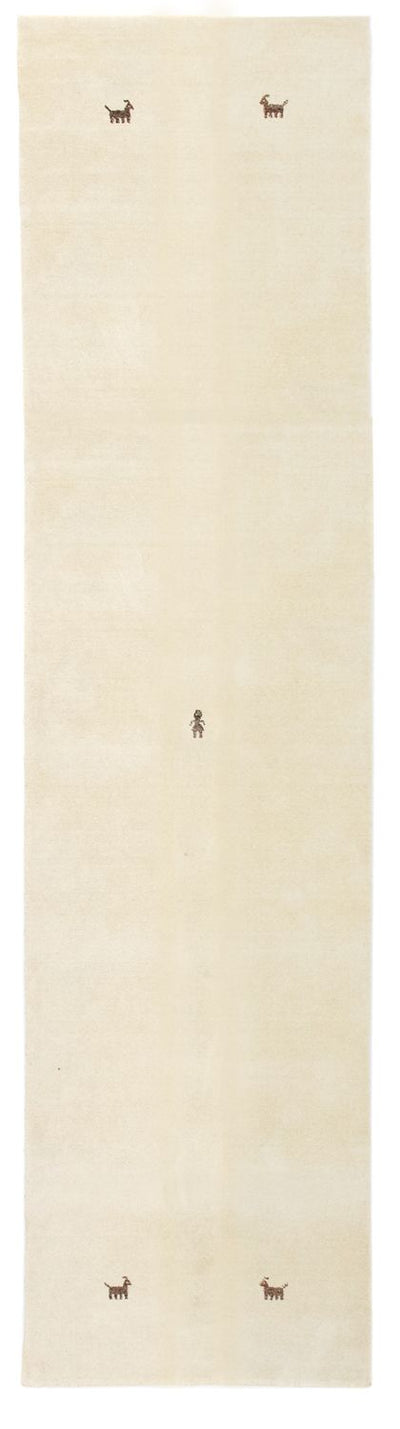
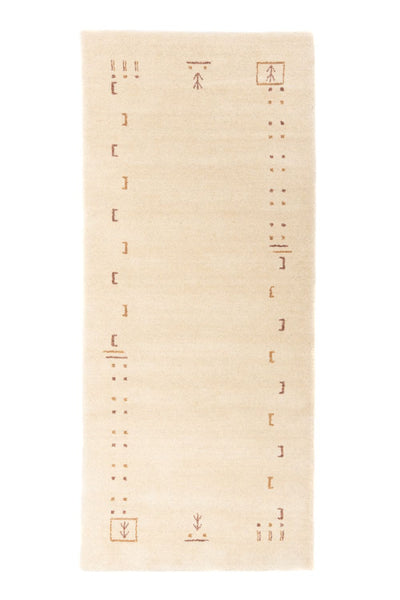
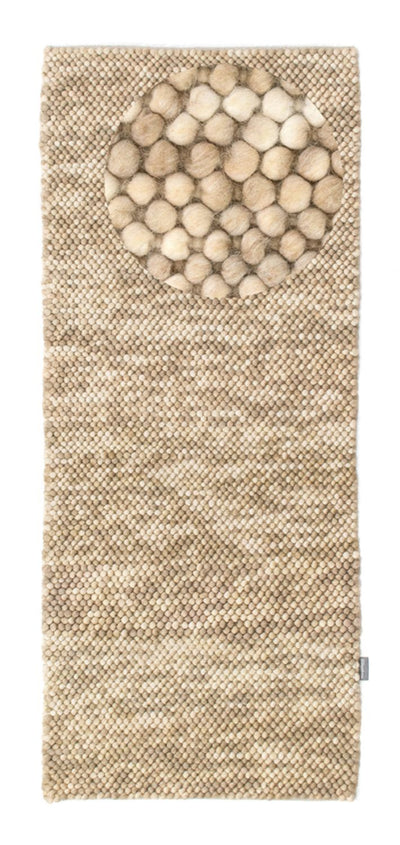

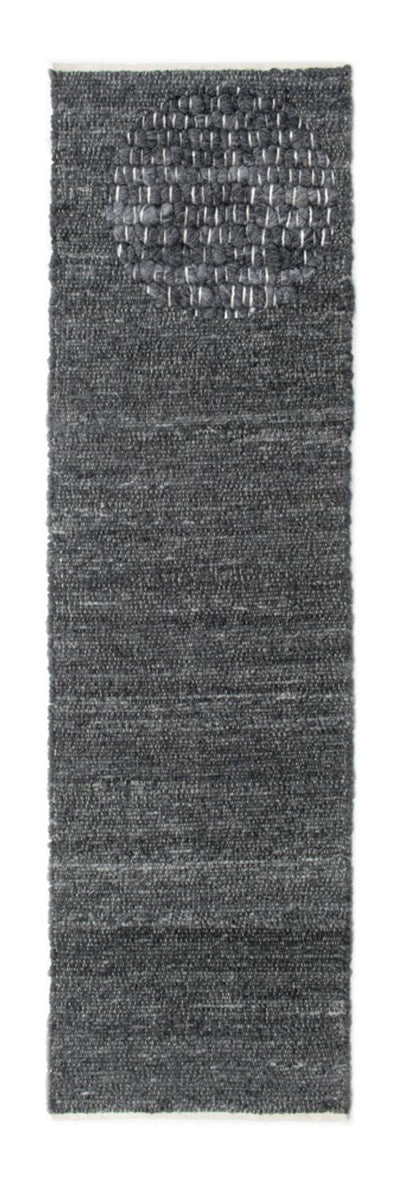
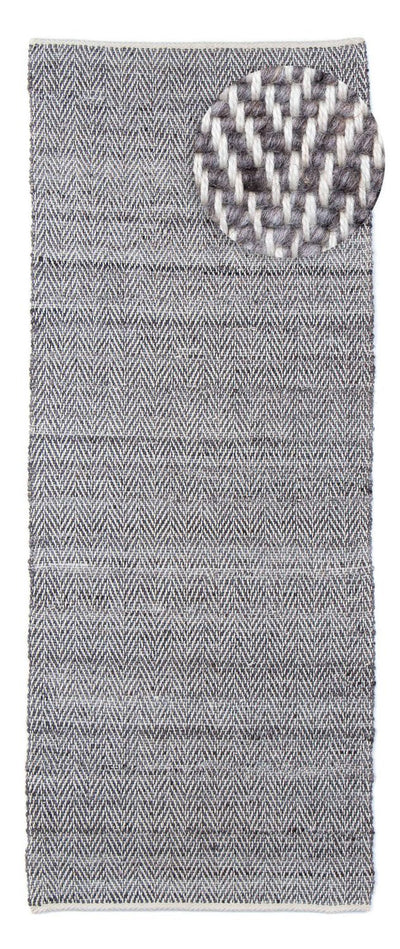
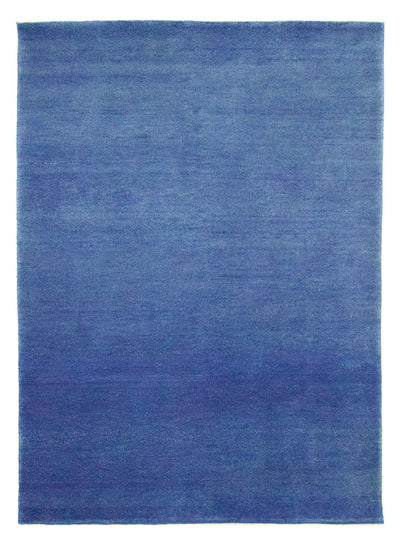
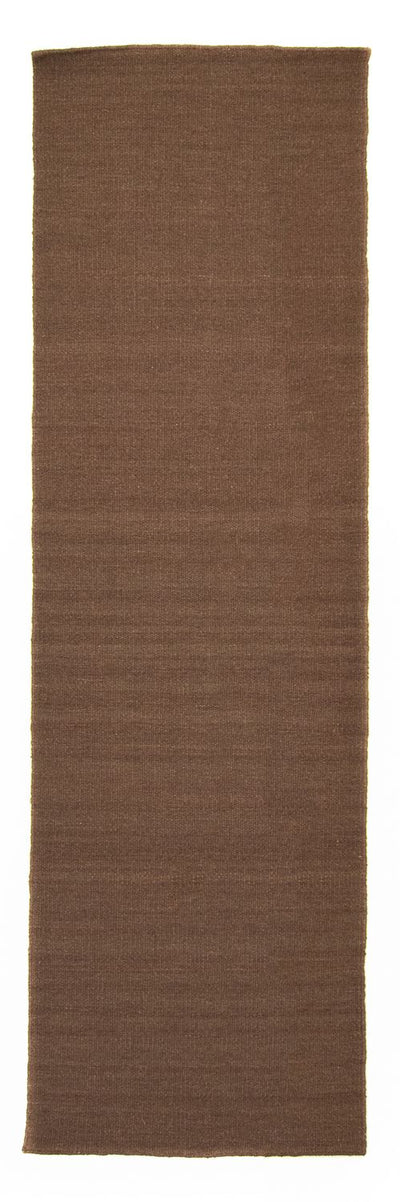
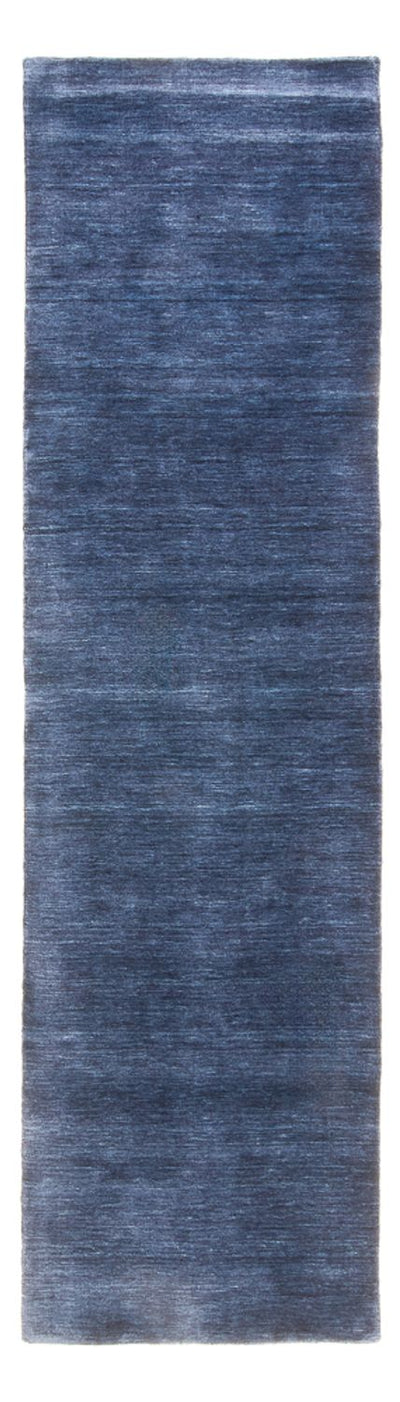
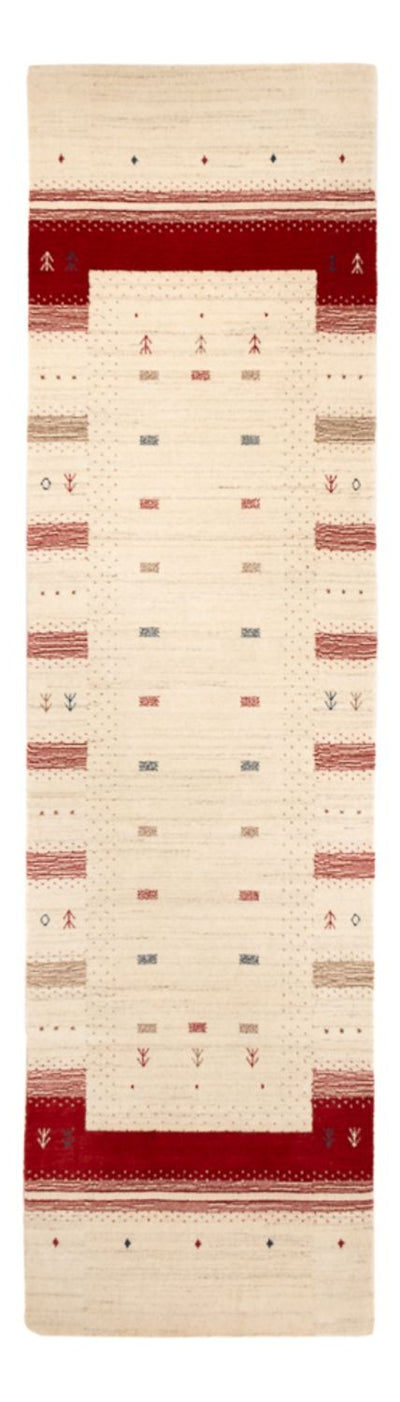
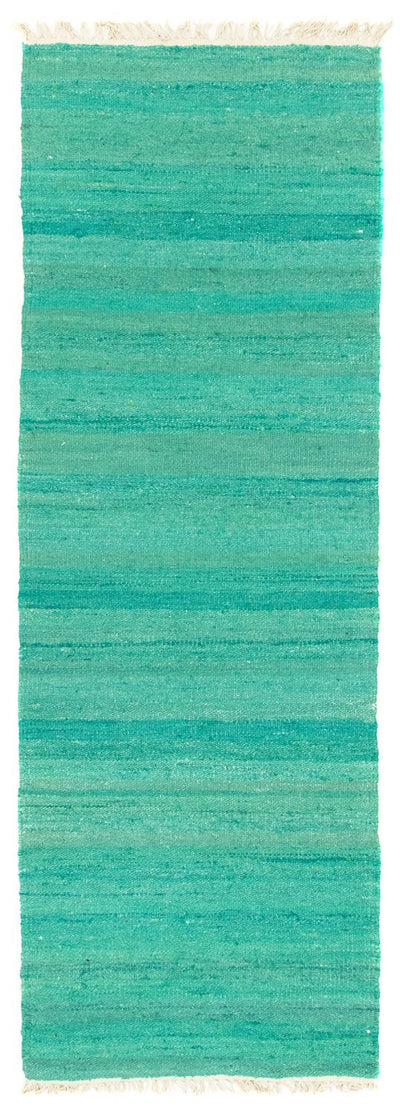
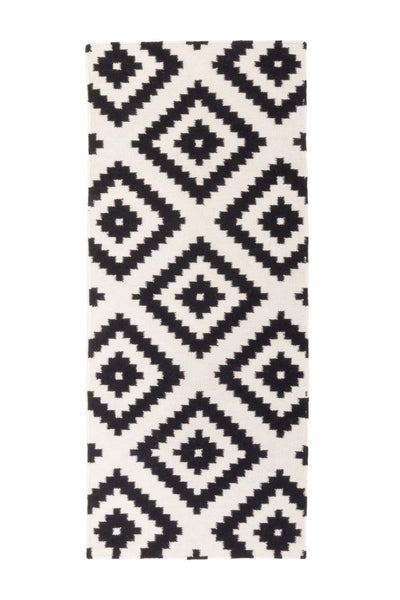
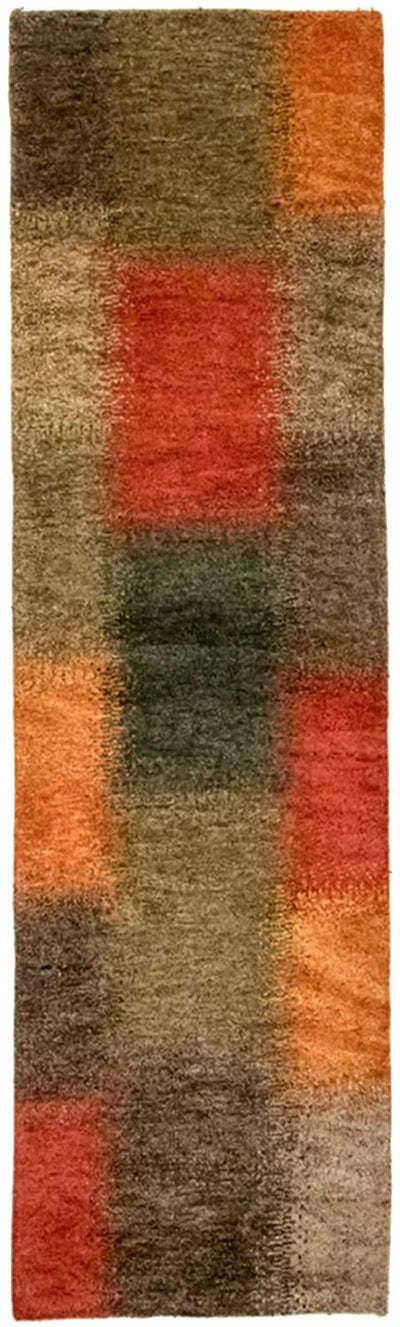
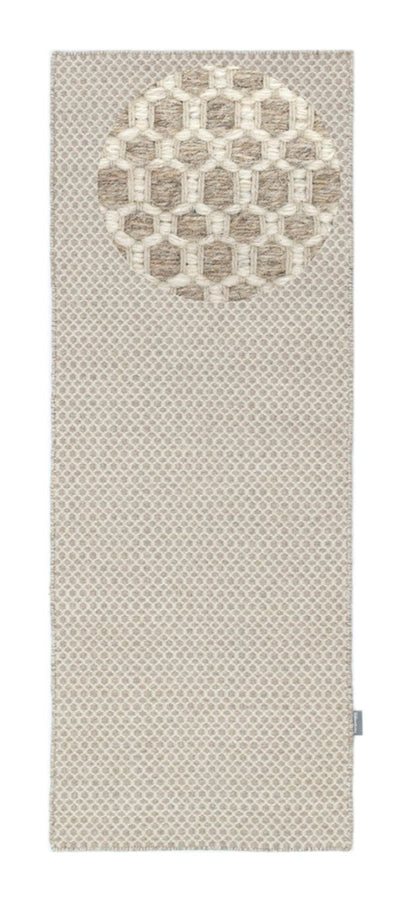
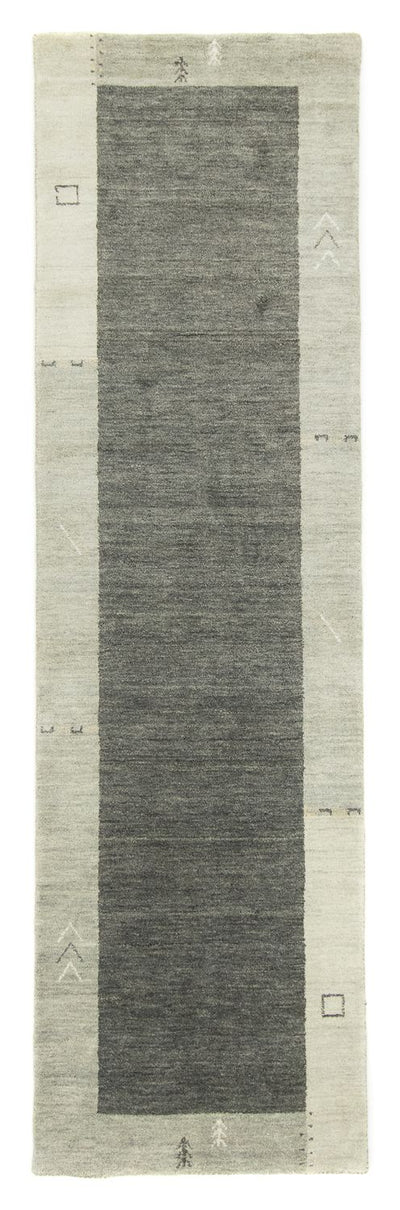

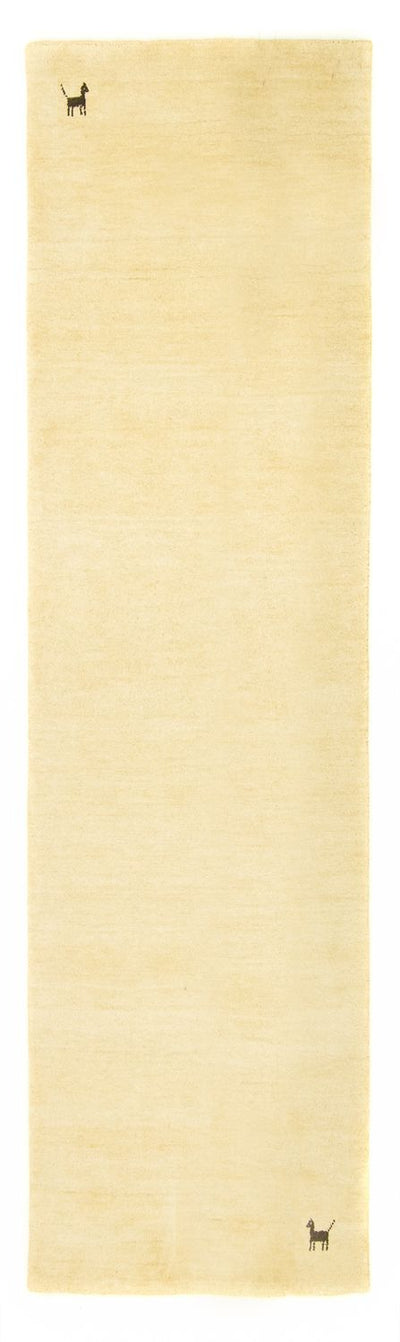
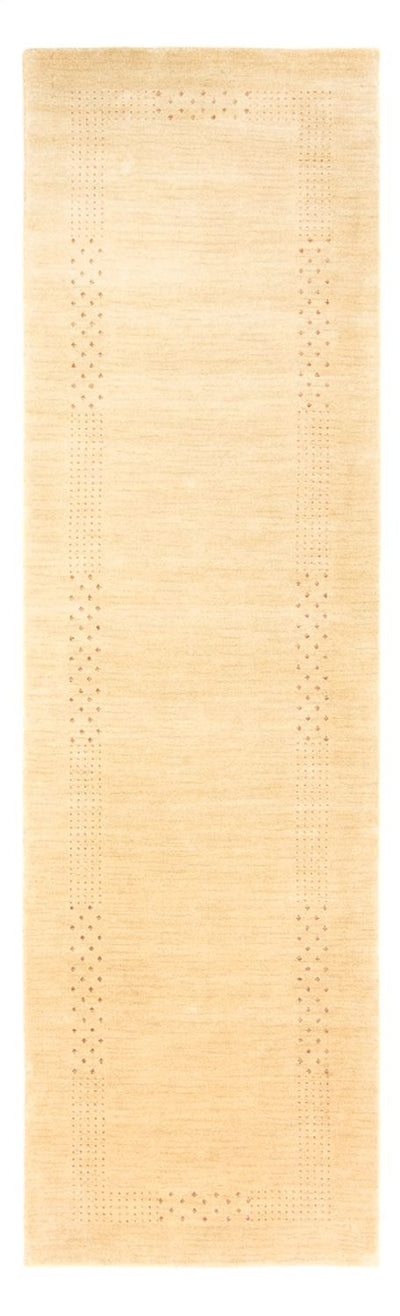

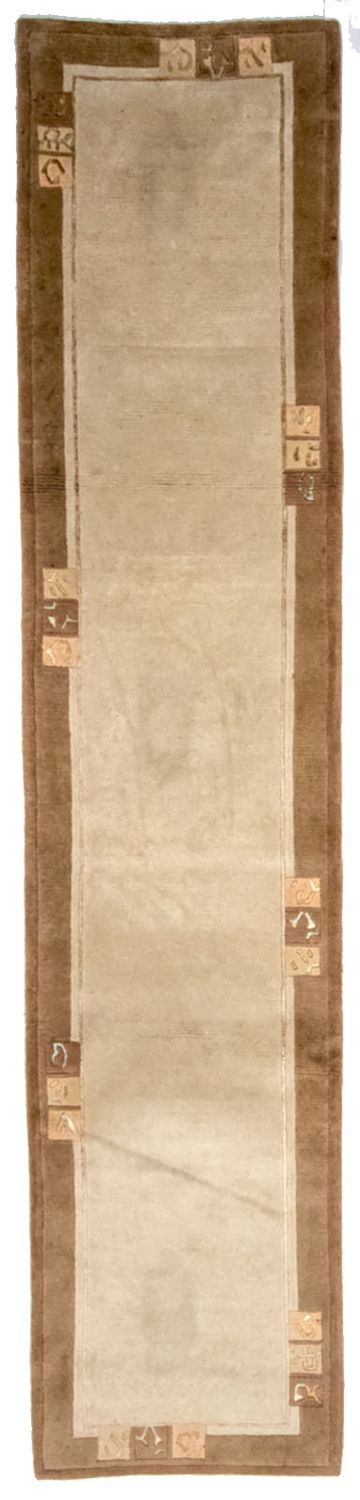
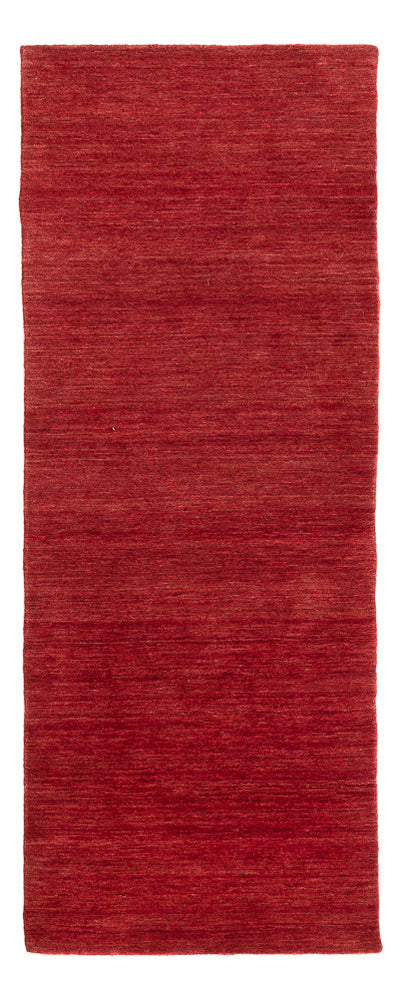
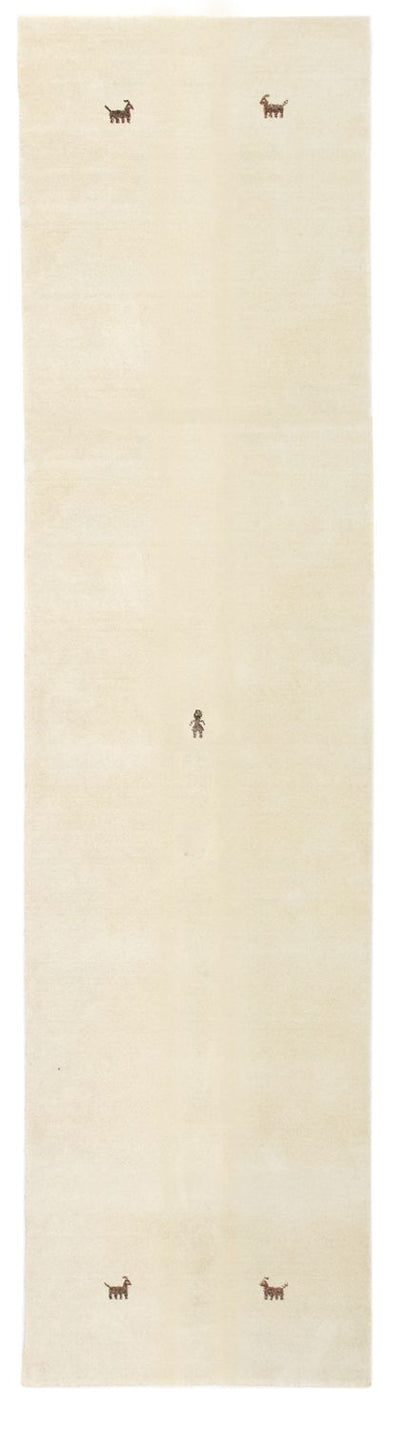
The runner is the most underrated element of modern interior design. While living room and bedroom rugs attract all the attention, hallways, kitchen walkways and entrance areas are often neglected in terms of design. Yet it is precisely these transit zones that shape the first impression of a home and contribute significantly to its overall atmosphere. A modern rug runner turns these functional areas into stylish passages that welcome guests and delight residents every day.
What makes a runner special is its format: narrow and elongated, it follows the architecture of corridors, hallways and long axes. This adaptation in shape makes it the ideal companion for the linear structures of modern flats and houses. At the same time, the narrow format poses a design challenge that invites creative solutions – from graphic stripe patterns and minimalist fields of colour to abstract compositions that turn the hallway into a small gallery.
Modern runners meet practical requirements first and foremost. In entrance areas they protect the floor covering from wear, moisture and dirt – particularly relevant for delicate parquet and floorboards. In kitchens, where you constantly move between hob, sink and fridge, they offer a comfortable surface to stand on that is easy on joints and back and makes standing for long periods more bearable. In hallways they dampen footfall noise and stop the sound of footsteps echoing through the home.
The functional requirements for a modern runner are higher than for living room rugs: it has to be hard-wearing, as it is walked on many times every day. It should be non-slip or combined with an anti-slip underlay to minimise the risk of falls. And it has to be easy to care for, as hallways and kitchens get dirtier than other living areas. Modern runners meet these requirements with innovative materials and construction methods that combine robustness with design.
The hallway is the classic place for runners – and this is where they have the greatest effect. A modern runner that covers the entire length of the hallway while keeping a distance of 15 to 20 cm from the walls and doors turns a passageway into an elegant promenade. In L-shaped hallways, two runners can be arranged at right angles to each other to emphasise the architecture. For particularly narrow hallways under 100 cm wide, we recommend runners 50 to 60 cm wide, which leave enough floor visible at the sides.
In the kitchen, place runners strategically in front of the worktop and the sink – where you stand the longest. A second runner in front of the hob sensibly completes the arrangement. Less conventional but increasingly popular: runners alongside the bed, in front of bathroom washbasins, along bookshelves or as a connecting element between two rooms in open doorways.
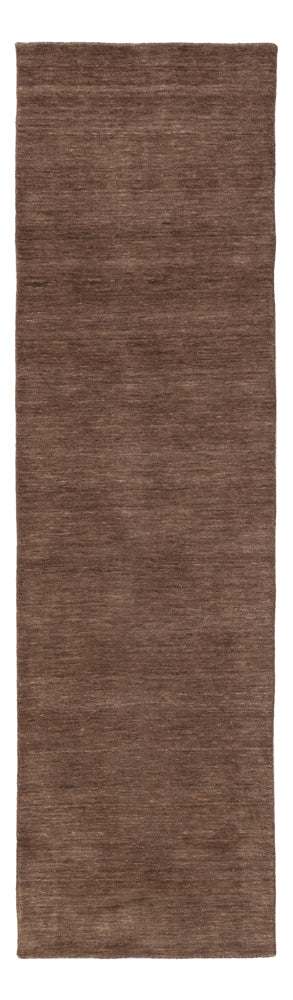
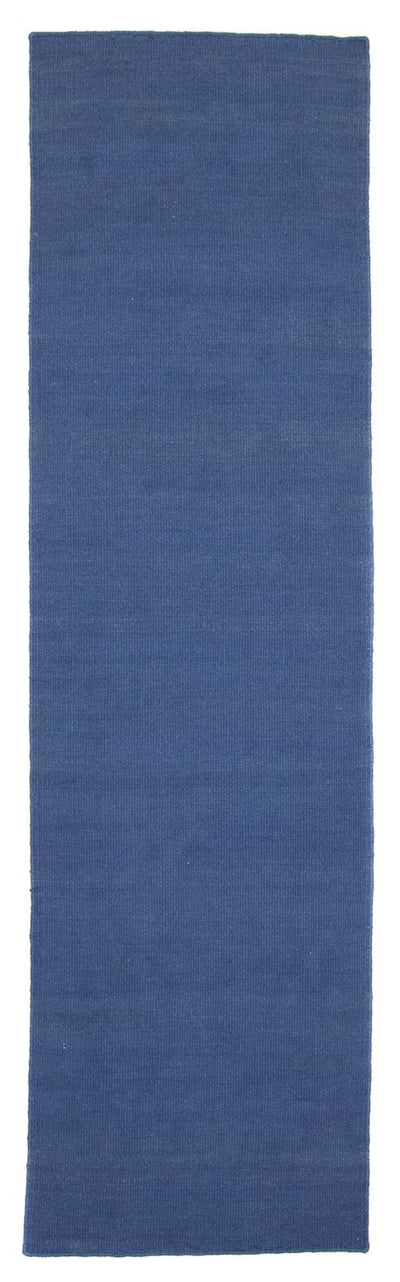
In terms of design, modern runners range from pure reduction to expressive graphics. Minimalist plain runners in anthracite, cream or taupe rely on the effect of pure texture – bouclé surfaces, herringbone weaves or subtle ribbed structures. More graphic models work with horizontal stripes that emphasise the depth of the room, or with abstract lines that turn the hallway into a design installation.
In terms of material, flatwoven polypropylene and polyester runners dominate in high-traffic areas: they are UV-resistant, water-repellent and often machine-washable at 30°C. For living areas, wool and cotton runners offer greater comfort and a more refined look. An insider tip is jute runners, whose earthy texture and warm natural tone perfectly complement Scandinavian and boho-chic interiors. For maximum durability, we recommend runners with reinforced edges and a minimum density of 200,000 knots per square metre.
Getting the dimensions right is crucial with a runner. Standard widths are between 60 and 80 cm; for wide hallways of 150 cm or more, 80 cm is ideal, while 60 cm is enough for narrower corridors. The length should visually stretch the space without bumping into doors – allow for a gap of 15 to 20 cm at both ends. Measure not only the length of the room but also the door swing areas to make sure doors can open freely over the runner.
Invest in a non-slip underlay – with runners this is not optional but a must. In entrance areas we also recommend a model with an integrated dirt-trapping zone. If the runner is to be used in the kitchen or entrance area, check before buying whether it is machine-washable. Premium runners with sewn edges and a double backing coating last up to ten times longer than cheaper alternatives.
Tradition, expertise & verified quality
Shop without risk
Simple & convenient home delivery
The right rug for every style

$38.00