


Since 1977: Your rug specialist
Tradition, expertise & verified quality
… Products
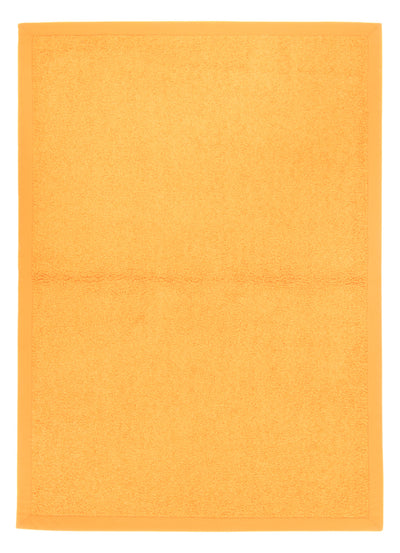
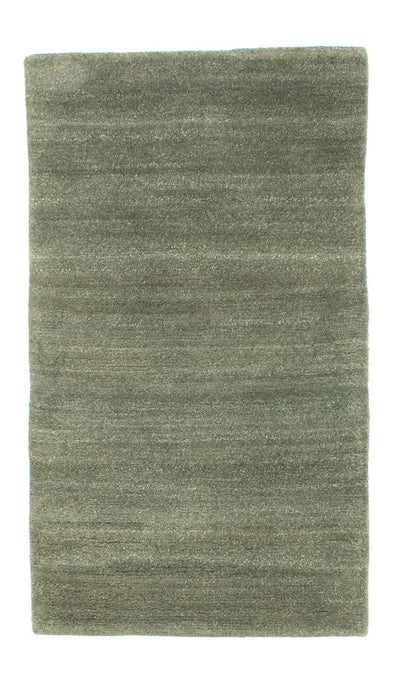
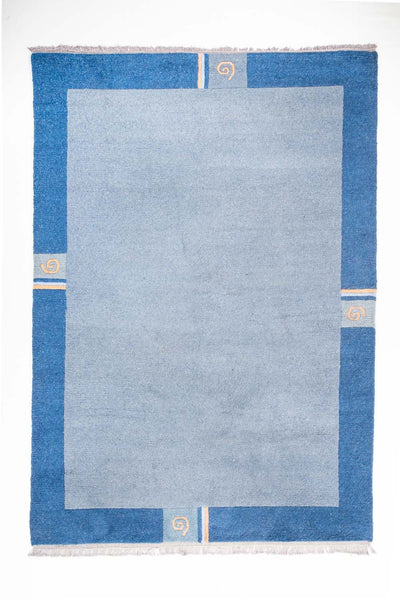
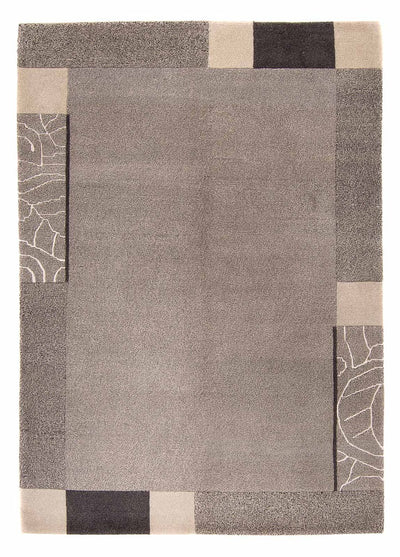
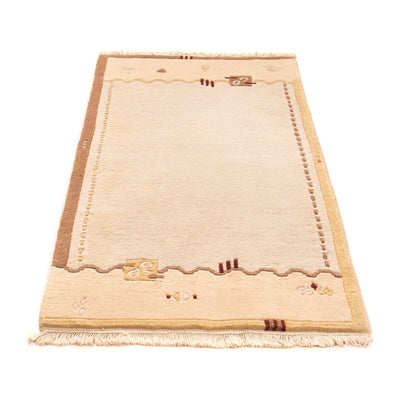
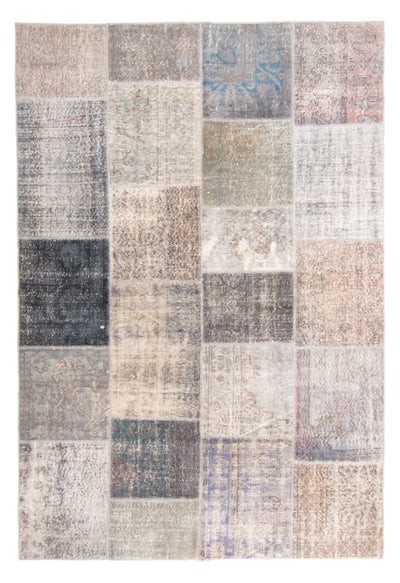


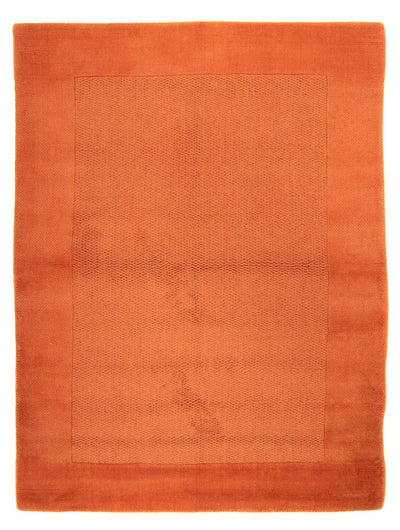
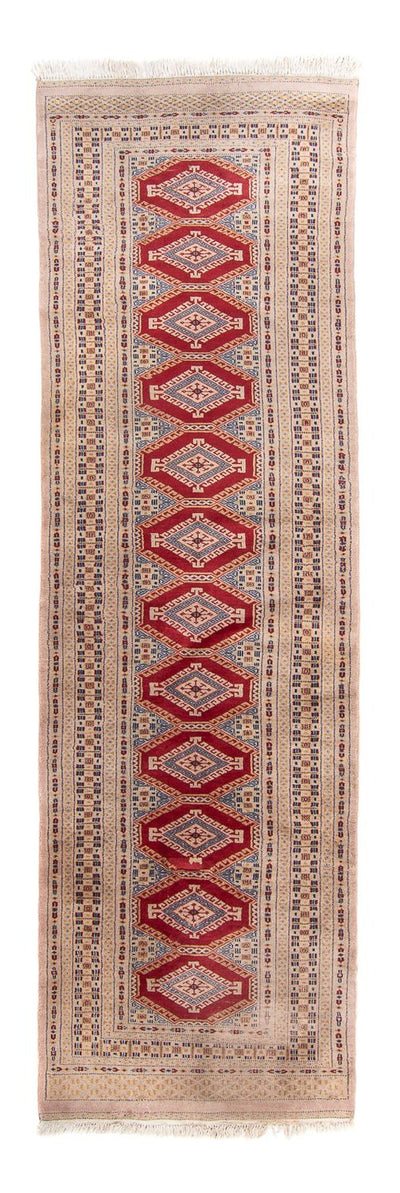


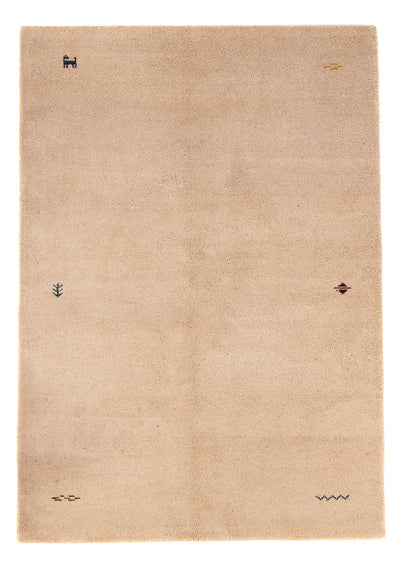
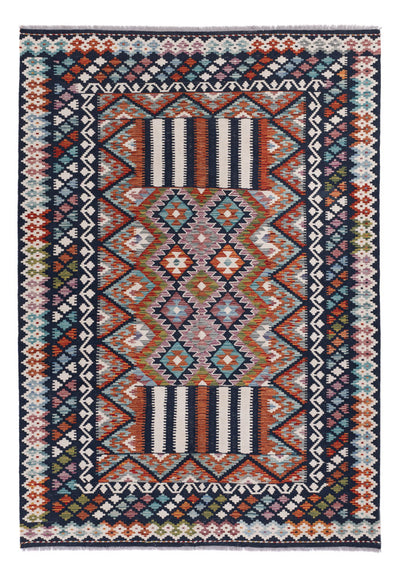
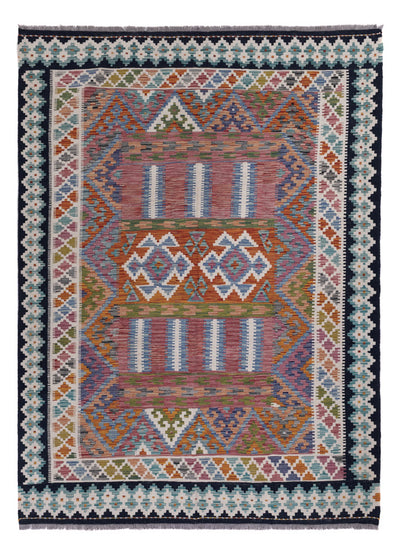


Oriental rugs combine centuries-old tradition with timeless aesthetics. In our oriental rug sale, you will find high-quality products from the Middle East, Central Asia and Africa at reduced prices. Every rug tells its own story and brings the fascination of the Orient into your home.
Oriental rugs – the fascinating variety from Africa, the Middle East and Central Asia – are always a good idea and suit modern interiors as well as stylish furnishings. Give your home a stylish, personal touch with a hand-knotted rug. What used to be pure luxury is now affordable for everyone. Look out for discount promotions or snap up a real bargain in our oriental rug sale.
A genuine oriental rug is a work of art created entirely by hand. It is made in various regions such as Persia, Turkey, Afghanistan or the Caucasus. Each region has developed its own traditions and techniques of rug knotting. The knot density varies depending on the origin and ranges from 100,000 to over 1,000,000 knots per square metre. This density largely determines the quality and the richness of detail of the pattern.
Nomads originally made rugs for their own use, while complex designs for trade were created in manufactories. Every one-off carries the soul and love of its makers. Even small flaws are part of the character of a unique piece and prove authentic handwork. The world of oriental rugs reflects cultural knowledge that has been handed down over generations.
The material determines the properties and durability of an oriental rug. Pure new wool is the classic and most commonly used material. It is hard-wearing, naturally elastic and regulates the humidity in the room. High-quality pure new wool comes from sheep in mountain regions and is particularly strong.
Silk gives rugs a noble sheen and allows particularly fine details. Silk rugs reach knot densities of over 500,000 knots per square metre and are considered the most precious variety. Cotton is mainly used for the warp threads, as it stretches little and gives the rug stability. Viscose, also known as artificial silk, offers a silky sheen at a lower price. Polypropylene is used in modern models and is particularly easy to care for.
The method of production differs according to the knotting technique. The Persian knot (Senneh) wraps around only one warp thread, while the Turkish knot (Gördes) is tied around two warp threads. The number of knots per square metre is a decisive quality feature. Fine rugs with a high knot density show more precise patterns and are more valuable.
The patterns of oriental rugs follow traditional designs that carry symbolic meaning. Geometric shapes dominate in nomadic rugs, while manufactory rugs often show floral ornaments. The central medallion often symbolises the sun or the universe. Tendrils, flowers and arabesques form harmonious compositions.
The colours are traditionally obtained from natural materials. Madder gives red tones, indigo provides deep blue and saffron produces yellow. Modern rugs often use synthetic dyes, which are more lightfast. The colour combinations vary by region: Persian rugs often show warm red and blue tones, Turkish models strong contrasts.
Every detail of the design has a meaning. Stylised animals represent strength, trees symbolise life and geometric borders protect against the evil eye. This centuries-old symbolic language makes every oriental rug a cultural testimony.
Oriental rugs are available in various size categories. Small formats up to 100 x 150 cm are suitable as mats or accents. Medium-sized rugs from 150 x 200 cm to 200 x 250 cm are ideal for living areas. Large formats from 200 x 300 cm define zones within a room and create an impressive effect.
Runners, narrow and long, fit perfectly in hallways and entrance halls. The size should suit the room: in the living room, the rug may extend under the front legs of the furniture; in the dining room, the chairs should stand on the rug even when pulled out. Various options should be considered when choosing: room size, furniture arrangement and the desired effect.
Oriental rugs adapt to any interior style. In the living room, they create a warm atmosphere and define the seating area. High-quality wool rugs in particular offer pleasant comfort underfoot. In the bedroom, soft rugs make getting up cosy.
The dining area benefits from hard-wearing models that are forgiving of stains. Densely knotted rugs with wool fibres that repel dirt are recommended here. In the entrance area, runners set stylish accents and protect the floor. Studies gain seriousness and warmth from a classic oriental rug.
Modern interiors go particularly well with traditional rugs. The contrast between clean lines and ornamental patterns creates an exciting dynamic. Minimalist rooms also benefit from a high-quality one-off as an eye-catcher.
Regular vacuuming preserves the beauty of an oriental rug. Vacuum in the direction of the pile, not across it. With new rugs, some initial shedding of fibres is normal and subsides after a few weeks. Turn the rug every six months so that it ages evenly.
Stains should be treated immediately. Blot liquids with an absorbent cloth – do not rub. Carefully scrape off solid dirt. Professional cleaning is recommended for stubborn stains. Have your oriental rug professionally washed every two to three years.
Oriental rugs are suitable for underfloor heating if the temperature does not exceed 25 degrees. Avoid direct sunlight, which fades the colours. A rug underlay prevents slipping and protects the back of the rug.
You can recognise the quality of an oriental rug by several criteria. Bend the rug: with a high knot density, you will see the pattern clearly on the back as well. Check the knot density by estimating the knots per square metre. The finer the knotting, the more valuable the rug.
You can feel the material by touching it: wool is soft and slightly greasy, silk cool and smooth. Synthetic fibres often look more uniform but less lively. Look for even dyeing without a chemical smell. Naturally dyed rugs show slight colour variations that give them their character.
The price reflects the material, knot density and origin. Very cheap offers indicate machine production or synthetic materials. A genuine hand-knotted oriental rug has its value. In the sale, you can buy high-quality works of art at reduced prices without compromising on quality.
Since 1977, Morgenland has stood for expertise and passion in the rug trade. In our Hamburg showroom, you can experience the diversity of oriental rug art across more than 1,000 square metres. We only stock tested models from experienced craftspeople from traditional knotting regions.
Our online shop gives you convenient access to selected rugs with detailed information on origin, material and production. Every one-off is carefully documented. You benefit from fair advice without sales pressure. Our team knows the history and characteristics of every single rug.
Personal service makes the difference: we advise you on your choice to suit your interior style and the conditions of your rooms. Visit us in Hamburg or use our online shop with attractive discounts in the sale section.
A hand-knotted rug shows the same pattern on the back as on the front. The knots can be recognised individually. Small irregularities in the pattern prove handwork. Machine-made rugs have an even grid structure on the back.
Pure new wool is the most proven material for oriental rugs. It is hard-wearing, durable and easy to care for. Silk offers the ultimate luxury with the finest sheen but requires more careful handling. The choice depends on use and budget.
Simple rugs have 100,000 to 250,000 knots per square metre. Medium quality ranges from 250,000 to 500,000 knots. Fine rugs reach over 500,000 knots per square metre. Very high-quality silk rugs can have over 1,000,000 knots.
Densely knotted wool rugs bind dust in the pile. Regular vacuuming removes particles. For a thorough clean, professional rug cleaning is recommended.
With good care, a high-quality oriental rug lasts for several generations. Hand-knotted wool rugs often become more beautiful over the years, as the pile develops a natural patina. The service life depends on quality, use and care.
Yes, oriental rugs are suitable for underfloor heating. The temperature should not exceed 25 degrees. Wool and silk conduct heat well and are not damaged. Make sure there is sufficient air circulation so that no moisture builds up.
Traditional patterns carry symbolic meanings. The central medallion often symbolises the sun or the cosmic order. Floral motifs stand for paradise gardens, geometric shapes for protection. Each region has its own language of motifs that conveys cultural knowledge.
Tradition, expertise & verified quality
Our rug experts are here to help
Simple & convenient home delivery
The right rug for every style

$38.00