Since 1977: Your rug specialist
Tradition, expertise & verified quality
There are different qualities, but we only offer you the finest Indian Bidjar rugs. Indian Gabbeh rug. Gabbeh rugs from India.
… Products
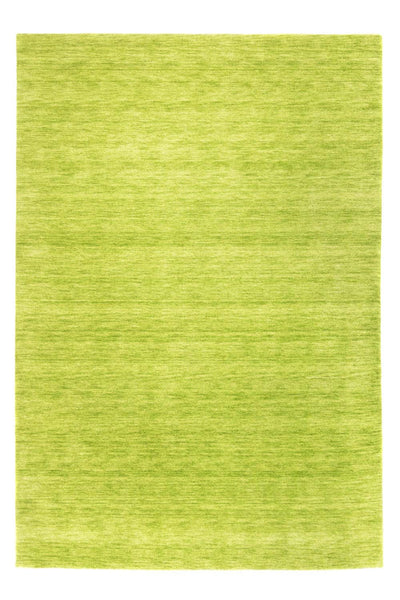
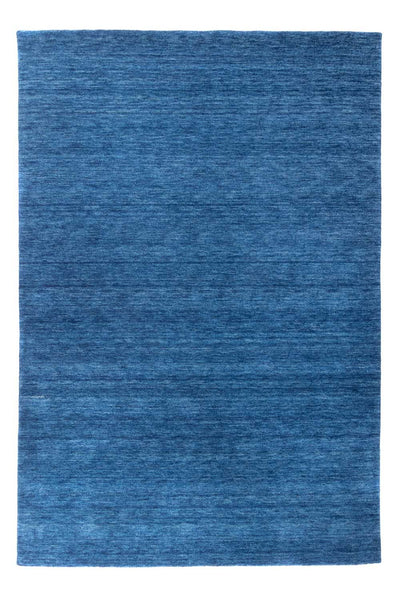
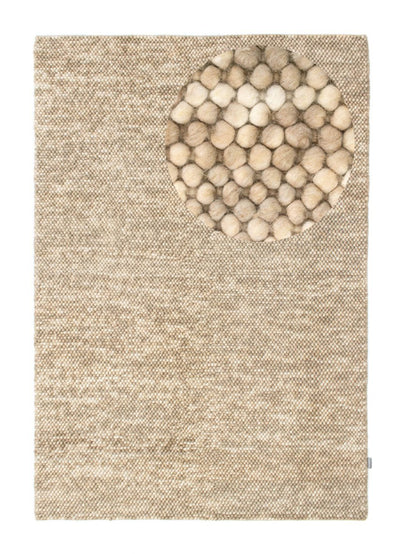
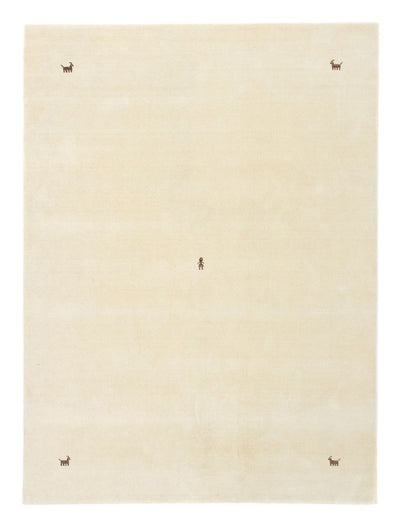
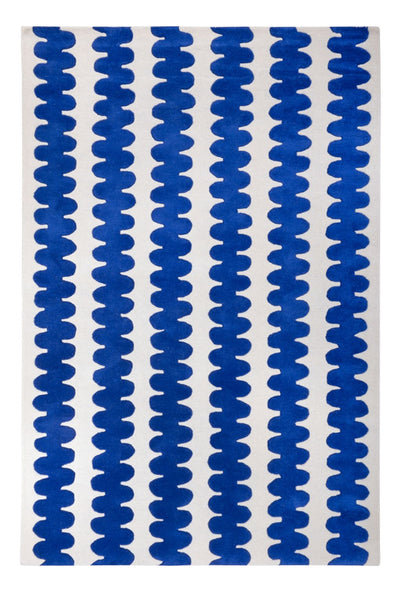
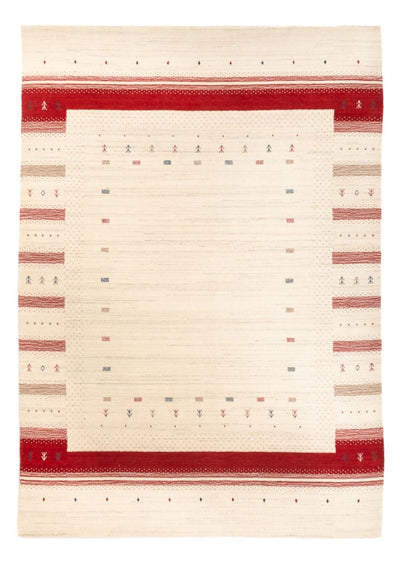
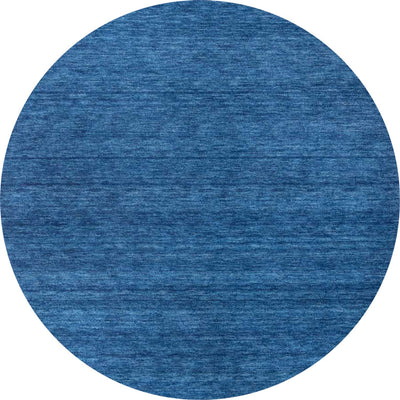
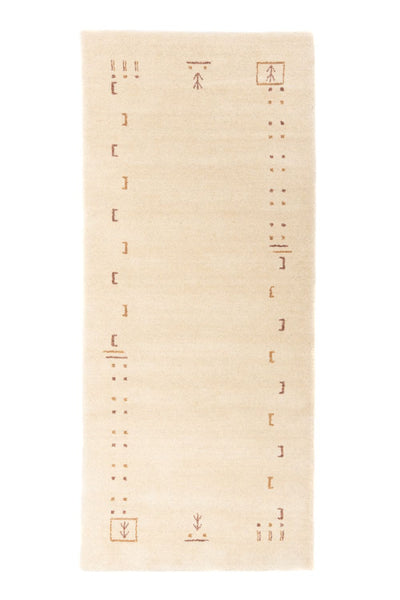
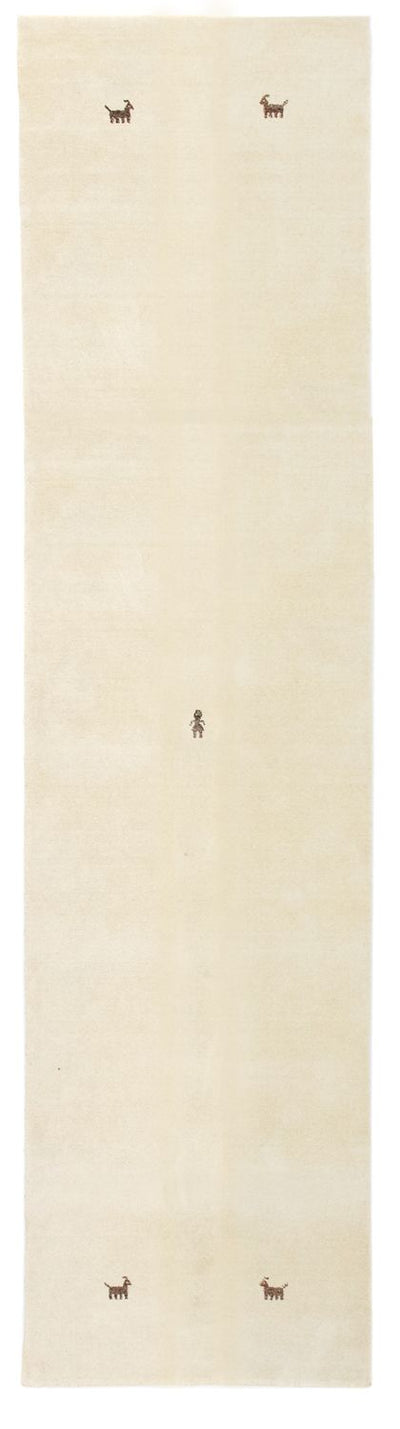
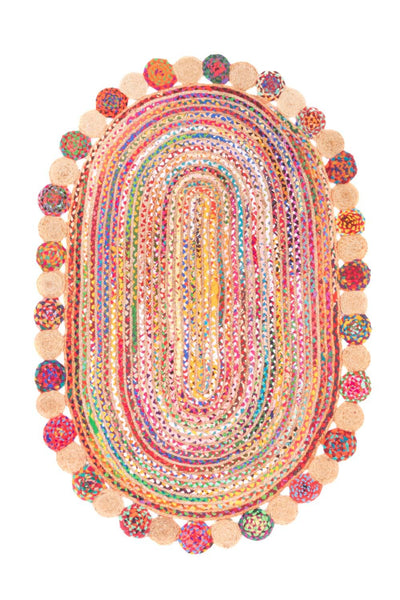
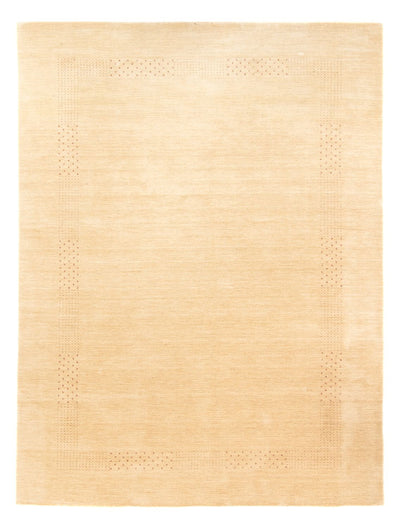
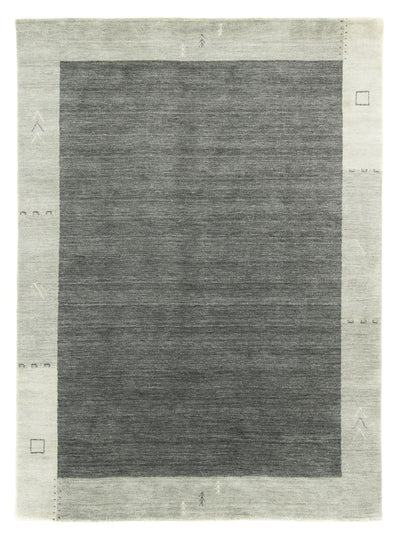
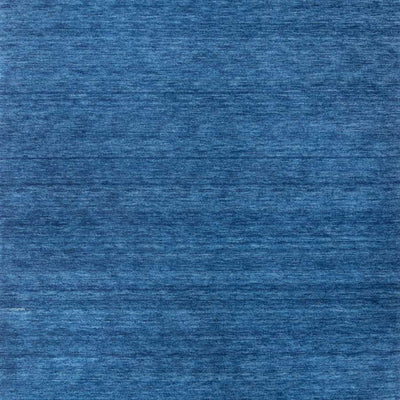
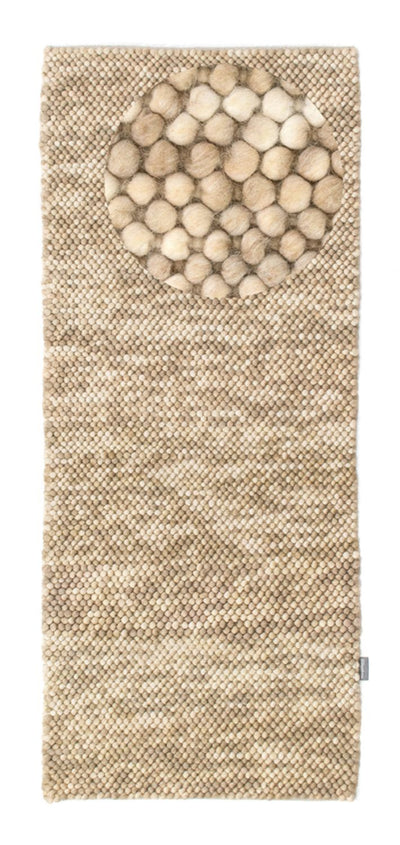
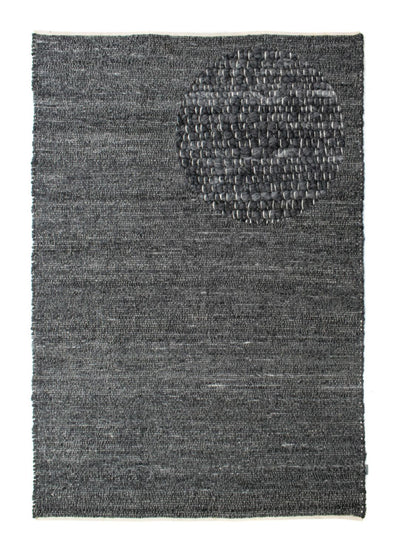
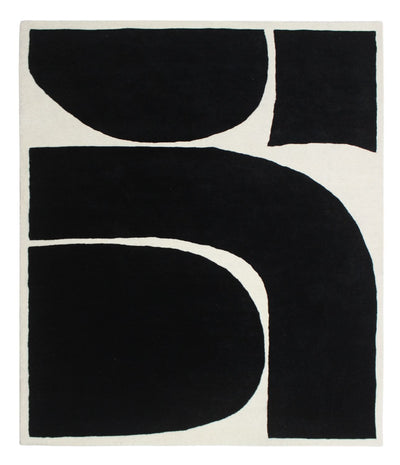
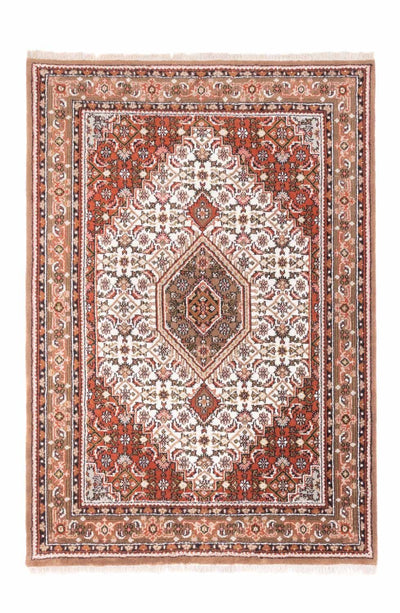
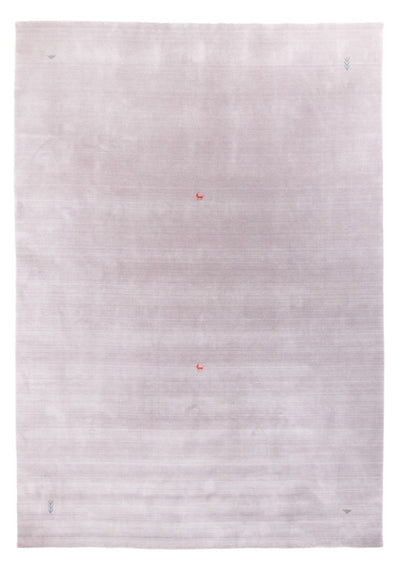
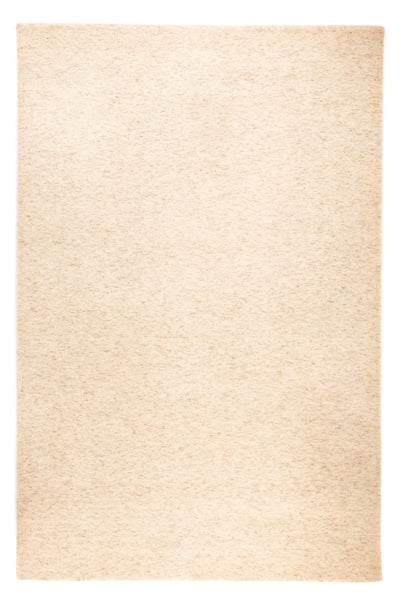
The history of Indian rugs goes back centuries and is shaped by a rich cultural tradition. India is considered one of the oldest rug producers in the world, and its rug-making art has a long and fascinating history.
The origins of rugs from India can be traced back to the Mughal Empire, which was founded in the 16th century. Under Mughal rule, rug making flourished, as it was promoted by the royal court workshops. Rugs were made not only for use at court, but also as gifts for foreign diplomats and rulers.
During this period, the elaborate patterns and designs of Mughal rugs were shaped by Persian, Turkish and Central Asian influences. Indian rugs are often characterised by floral motifs, geometric patterns and delicate borders that reflect the craftsmanship and artistic refinement of the rug weavers.
Over time, different regions of India developed their own rug traditions and styles. Rugs from Kashmir, for example, are known for their fine wool and intricate embroidery, while rugs from Rajasthan often feature bold colours and abstract patterns.
Over time, the Indian rug industry has continued to develop and has become an important branch of the economy. Today, Indian oriental rugs are made both for the local market and for export all over the world, and are highly valued for their beauty, quality and variety. The history of Indian rugs is therefore not only a story of craftsmanship and aesthetics, but also a fascinating testimony to the country's cultural diversity and traditions.
Persian rug making has a long and important history that spans centuries and has had a strong influence on rug making in various parts of the world, including India. The elaborate designs, fine details and traditional patterns of Persian rugs have inspired numerous artists and rug weavers to create new interpretations that reflect the timeless elegance of Persian rug art.
In India, Persian influences decisively shaped the development of rug making, especially during the Mughal period. Under Mughal rule, Persian rug patterns and techniques were integrated into Indian rug making and combined with local traditions to create unique and fascinating works.
Modern interpretations of Persian rugs in India often combine the classic beauty of Persian designs with contemporary elements and styles. Artists and designers experiment with colours, shapes and materials to create rugs that are both traditional and modern – a tribute to the past and at the same time a reflection of the present day.
These modern interpretations of Persian rugs are in demand for their versatility and their ability to add an elegant touch to any room. They are not just artistic floor coverings, but also an expression of style and personality. The combination of traditional craftsmanship and contemporary design makes these rugs timeless treasures that continue to enrich India's history and cultural diversity.
Indian rugs are known for their variety of styles, patterns and materials. Here are some of the best-known types of Indian rugs:
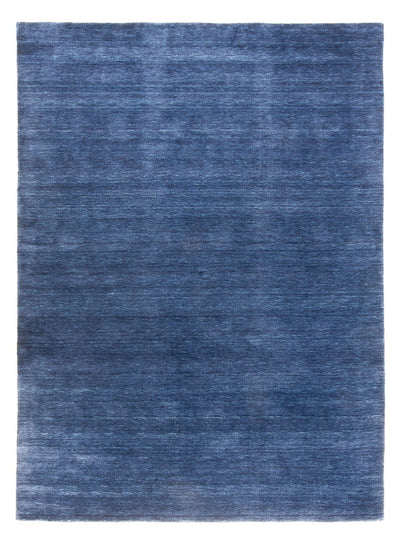
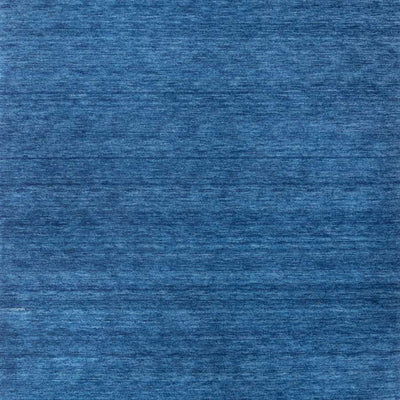
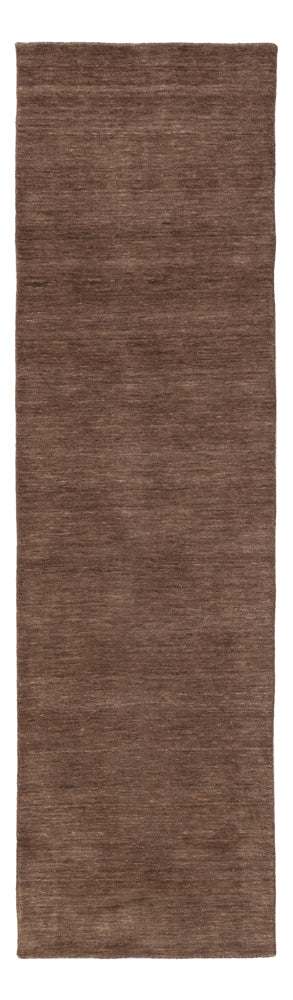
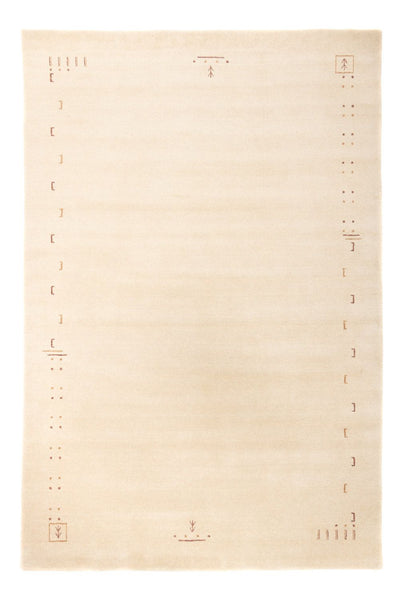
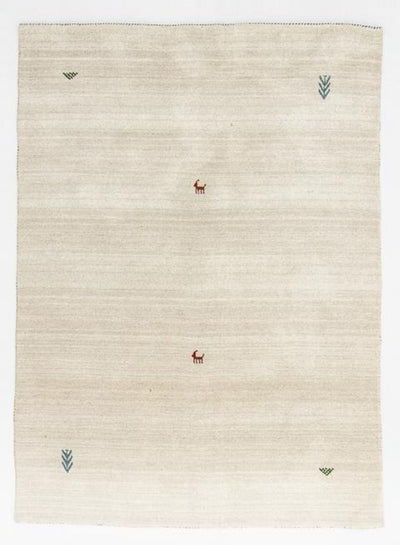
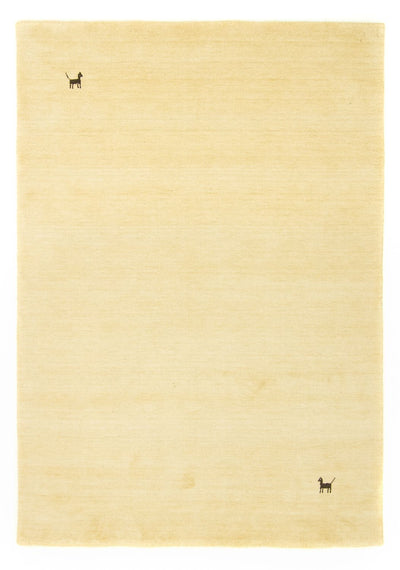
Indo-Gabbeh rugs are a special variant of traditional Gabbeh rugs and, as the name suggests, are knotted in India. They are characterised by their robust structure, clean lines and bold colours and are often inspired by nature and rural life. These rugs are mostly made of virgin wool, hand-knotted and crafted by experienced artisans. This makes every piece a unique work of art that reflects the beauty and character of Indian art.
These rugs come from the Kashmir region in northern India and are known for their fine wool and intricate embroidery. Their elaborate patterns and fine details make them popular works of art.
Agra is another centre of rug making in India and is known for its traditional designs and high-quality materials. Agra rugs are often characterised by their floral motifs and the use of silk.
The city of Jaipur in Rajasthan is known for its colourful, vibrant rugs. Jaipur rugs are characterised by bold colours, geometric patterns and often floral motifs as well.
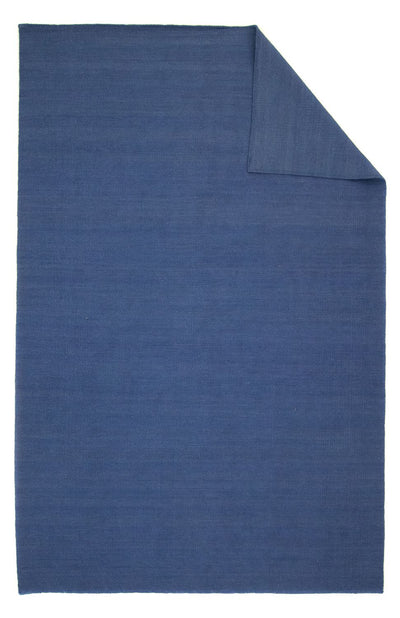
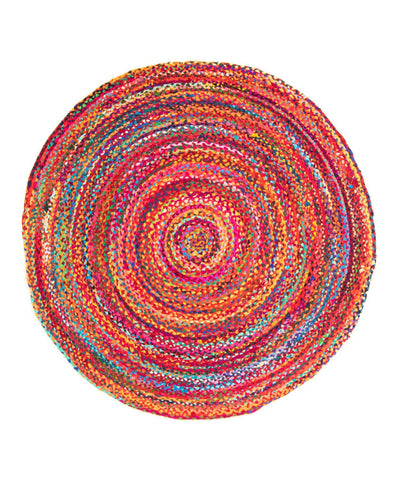
Dhurries are flatwoven rugs that are traditionally made in various regions of India. They are made of cotton or wool and are often decorated with simple geometric patterns. Dhurrie rugs are particularly popular for their versatility and can be used in different rooms.
These rugs come from the Bidjar region in the state of Maharashtra and are very robust and durable. They are often characterised by dense knotting and geometric patterns.
The Punjab region in northern India is known for its traditional rugs with vibrant colours and geometric designs. Punjab rugs are often made of wool and are valued for their durability and quality.
These are just a few examples from the diverse world of Indian rugs. Every region of India has its own unique traditions and styles, which are reflected in the rugs made there. From fine embroidery to robust woven rugs, India offers a wealth of options for rug lovers all over the world.
The traditional patterns used in Indian rugs are often more than just decorative elements – they also carry a deeper symbolic meaning that is closely linked to India's culture and history. Here are some of the most common traditional patterns and their meaning:
Floral patterns can be found in many Indian rugs and often symbolise beauty, nature and fertility. They can also represent happiness and prosperity and are often used for festive occasions and celebrations.
Geometric patterns are a characteristic feature of many Indian rugs and often represent order, harmony and unity. They can also have spiritual meanings, such as the mandala pattern, which plays an important role in Hinduism and Buddhism and symbolises the universe and the cosmic order.
Animal motifs can be found in some Indian rugs and can have different meanings depending on the animal depicted. Elephants, for example, symbolise good fortune and strength, while peacocks represent beauty and grace.
The paisley pattern, also known as the boteh pattern, is a classic Indian design that is often used in rugs. It is said to symbolise prosperity, wealth and eternal life and is often worn at festive occasions and weddings.
Sun and star motifs are often used in rugs to symbolise light, energy and spirituality. They can also represent good fortune and success and are often used as protective symbols.
These are just a few examples of the many traditional patterns found in Indian rugs. Each pattern carries a rich symbolic meaning that is deeply rooted in India's history and culture and gives the rugs an additional layer of meaning and beauty.
Modern Indian rugs and designer pieces represent the fusion of traditional craftsmanship and contemporary design. These rugs are characterised by innovative patterns, colours and textures that reflect the taste and aesthetics of a modern lifestyle. From minimalist designs to abstract works of art, modern Indian rugs offer a wide range of styles that help to beautify any room and give it a unique personality.
The quality and manufacture of Indian rugs are at the heart of their craftsmanship and commitment to excellence. Indian rugs are often handmade by experienced artisans who use traditional techniques and high-quality materials to produce rugs of exceptional quality. From the selection of the wool to the knotting technique, particular attention is paid to detail and precision in the making of Indian rugs to ensure that every rug is a masterpiece.
Indian rugs are made from a variety of materials, including wool, silk, cotton and synthetic fibres. Each material has its own unique properties and contributes to the texture, durability and aesthetics of the rug. Weaving techniques also vary, ranging from hand-knotted rugs to machine-made rugs, with each technique having its own advantages and disadvantages.
The knot density and fineness of a rug play an important role in its quality and durability. Indian rugs are known for their high knot density and fineness, which allow a dense, robust structure and a richly detailed design. The number of knots per square centimetre is a measure of a rug's quality and can also influence its value.
When buying Indian rugs, there are a few important aspects to consider to make sure you get a high-quality piece that suits your home. Here are some tips and tricks that can help you:
Indian rugs are made from various materials, including wool, silk, cotton and synthetic fibres. When choosing the material, consider the wear the rug will be exposed to, its care requirements and your personal taste. Wool, for example, is durable and offers natural warmth, while silk adds a luxurious sheen.
Pay attention to the workmanship and the details of the rug. Check the knot density and the fineness of the rug, as these factors influence its quality and durability. The colours should also be even and strong, without smudges or fading.
Set a budget before you buy and stick to it. Indian rugs are available in a wide price range, depending on factors such as size, material and craftsmanship. Compare different options and choose a rug that meets your requirements and stays within your budget.
Make sure the retailer offers a return guarantee or exchange option in case the rug does not meet your expectations or does not suit your room. This gives you the reassurance that you can reverse your purchase if necessary.
Indian rugs are timeless treasures that not only decorate rooms, but also tell stories and honour the skill of the artisans. By following these tips and tricks, you can make sure you choose a rug that is not only aesthetically pleasing, but also meets your requirements for quality, style and functionality.
Choosing the right rug for your home depends, among other things, on the room in which you want to place it. Your personal style and preferences as well as your budget naturally also play a decisive role. Consider which size, colour and design best suit your room and your furnishings, and take your time to compare different options to find the perfect rug for your home.
Tradition, expertise & verified quality
Shop without risk
Simple & convenient home delivery
The right rug for every style

$38.00