


Since 1977: Your rug specialist
Tradition, expertise & verified quality
Hand-knotted Gabbeh rugs from Iran – timeless nomadic tradition meets modern living. Pure new wool, natural colours, minimalist patterns. At Morgenland since 1977 (in Hamburg since 2007).
… Products
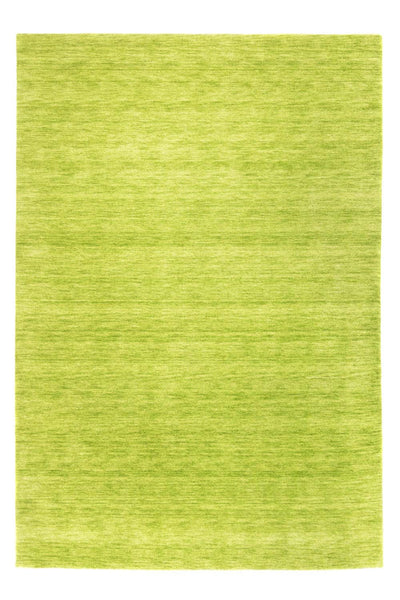
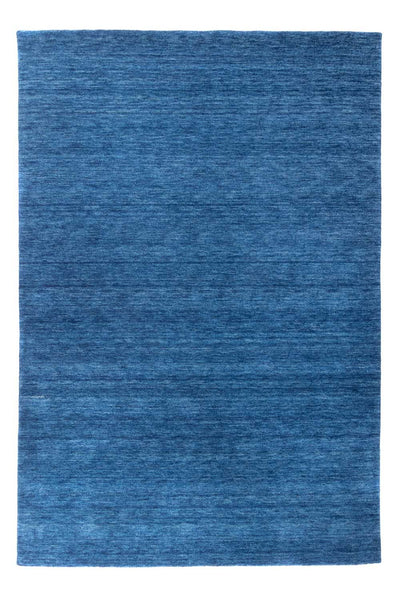
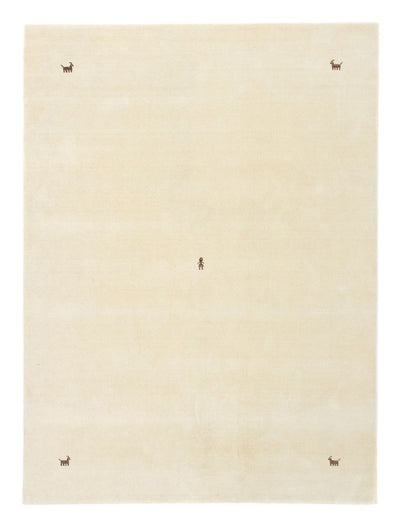
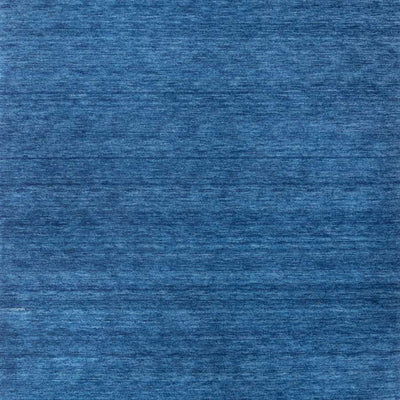
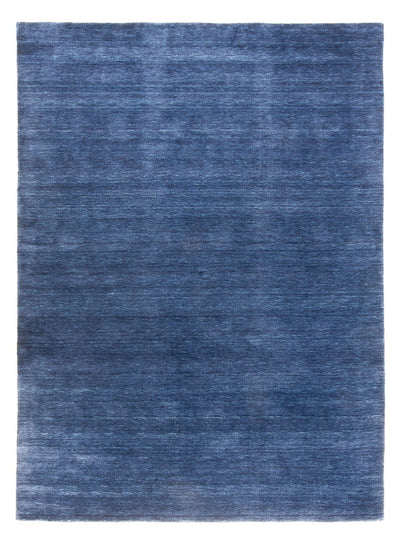
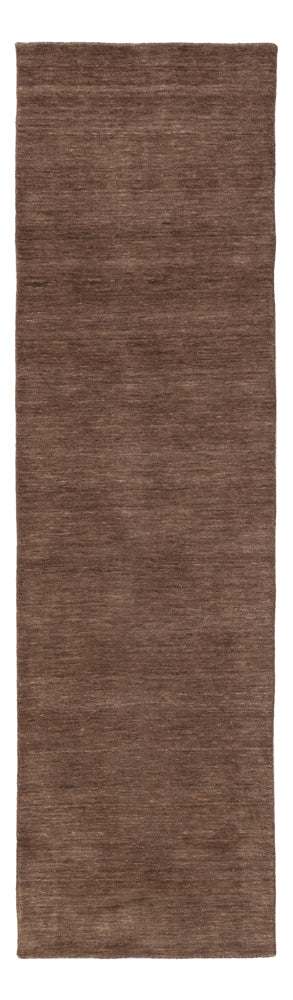
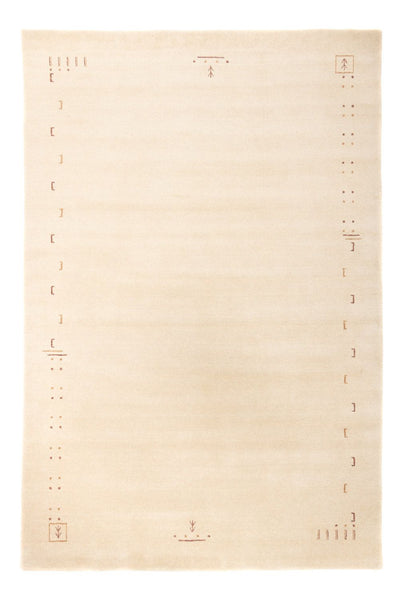
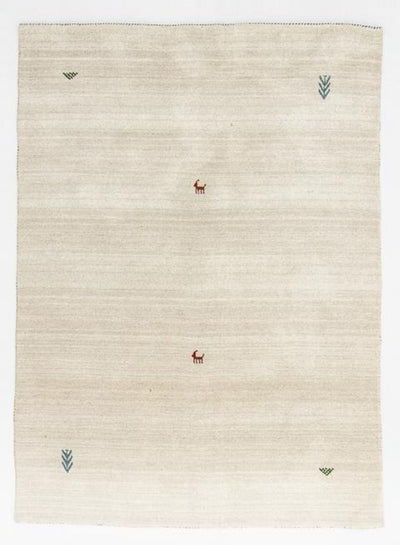
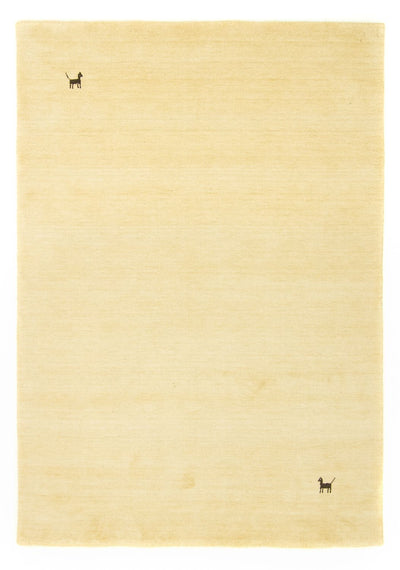
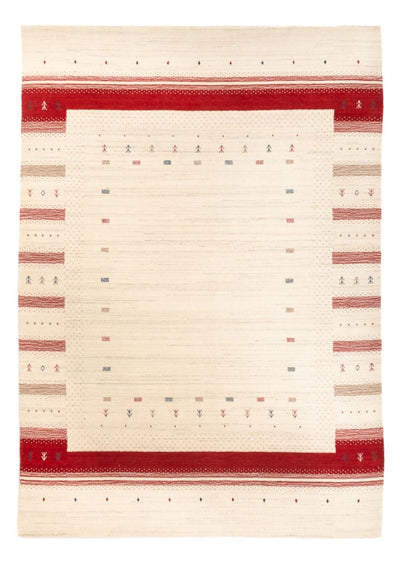
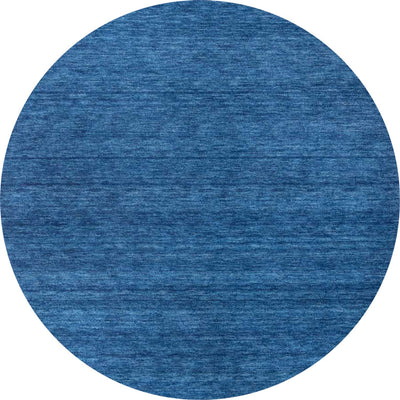
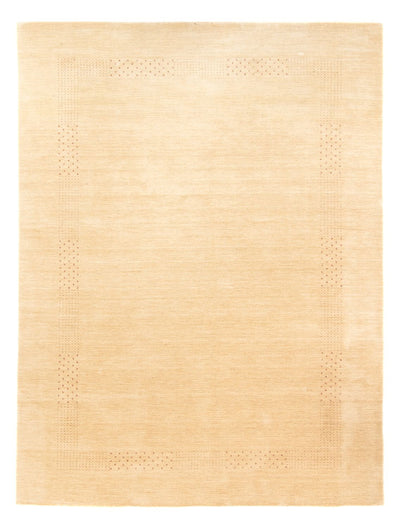
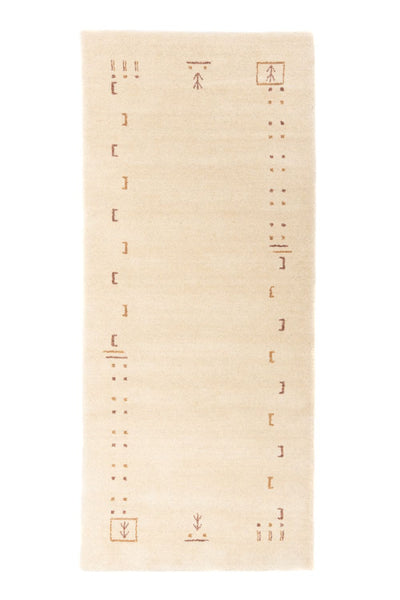
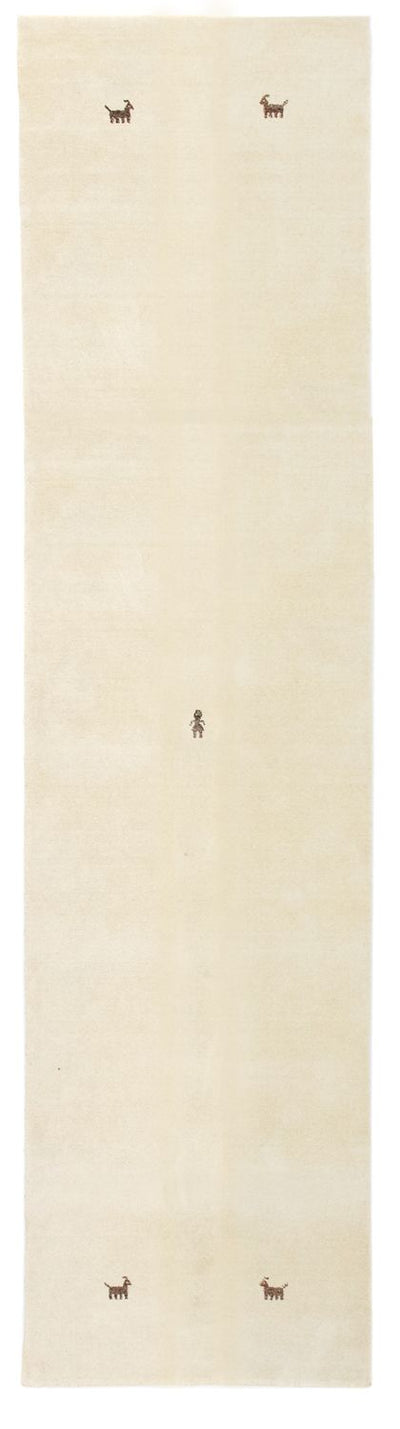
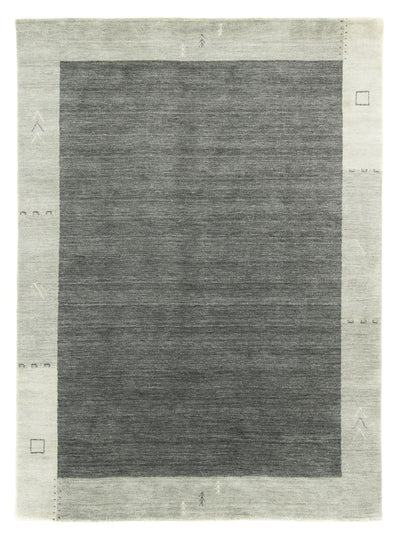
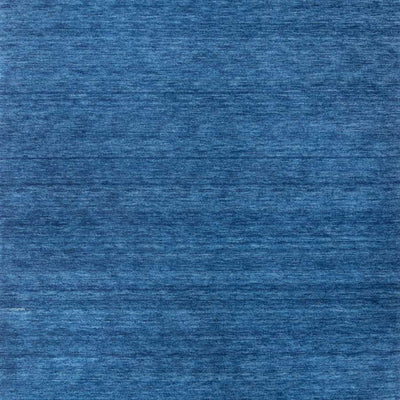
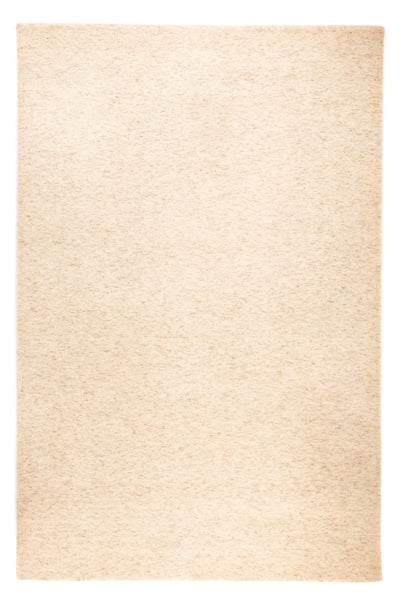
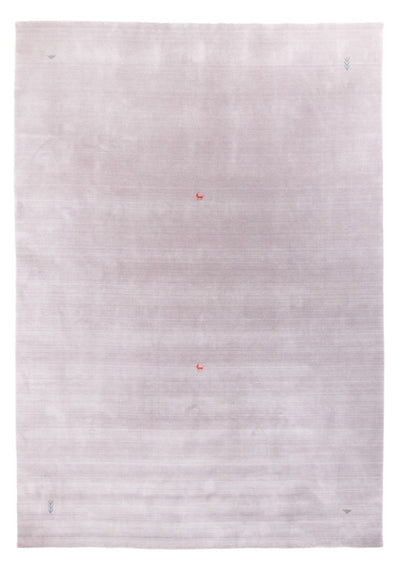
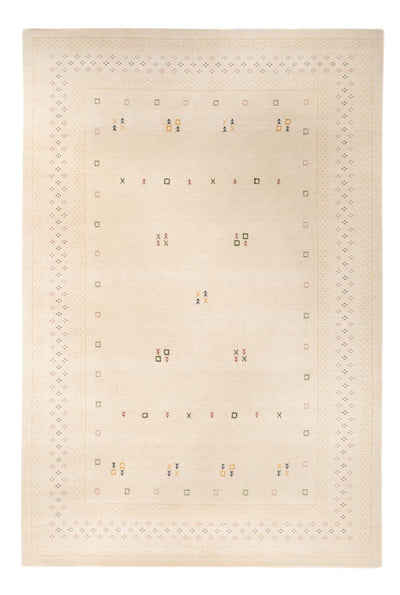

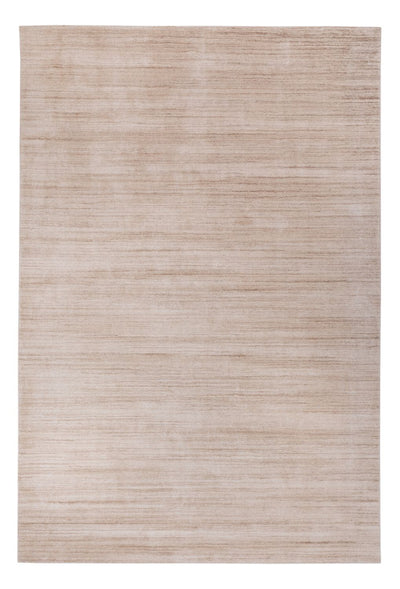
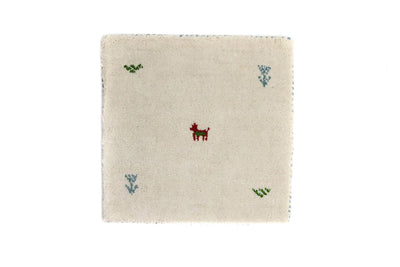
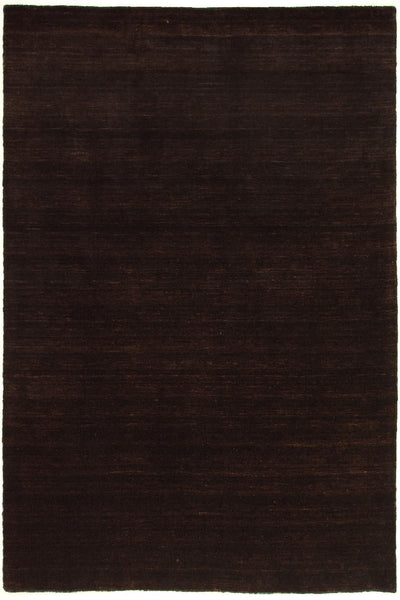

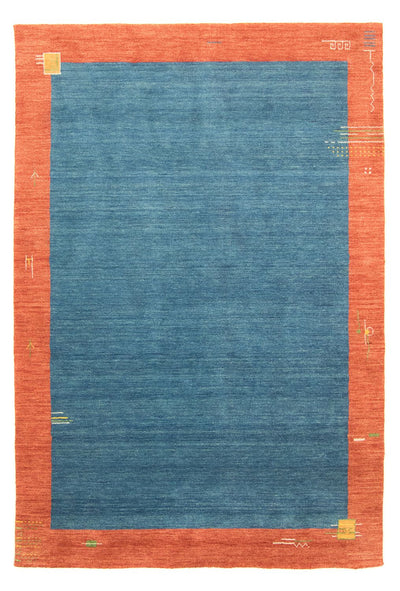

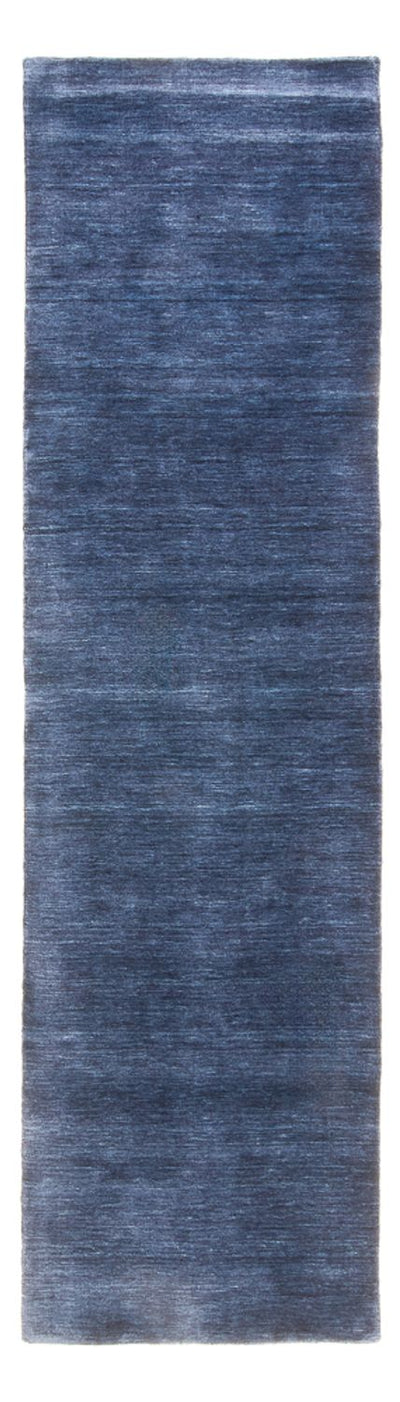
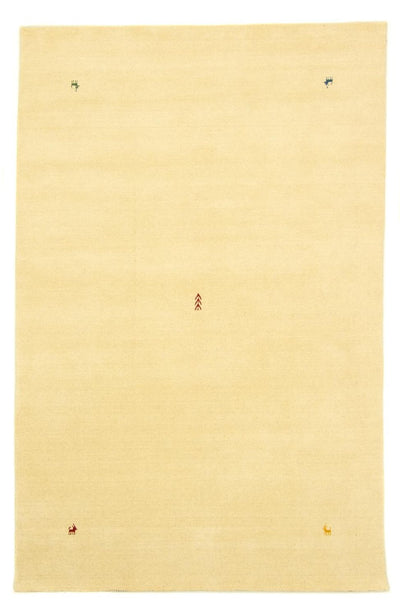
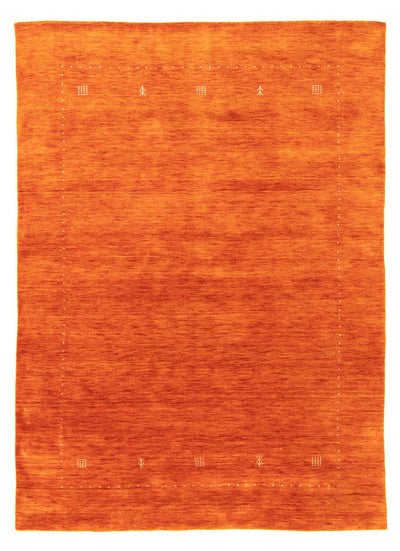
Gabbeh rugs from Iran combine nomadic tradition with a modern living style. These hand-knotted one-offs made of pure new wool impress with their thick pile, pared-back patterns and natural colors. Since 1977 (in Hamburg since 2007), Morgenland has offered an exclusive selection of authentic Gabbeh rugs for every room and interior style.
The term "Gabbeh" comes from Persian and means "raw" or "natural". This type of rug was originally developed by nomads in southern Iran, particularly in the province of Fars. The history of these nomadic rugs goes back several centuries, when they served primarily as sleeping mats and seating in tents.
Every Gabbeh rug is characterized by its honest, unpretentious aesthetic. Unlike richly patterned oriental rugs, this category relies on reduction and functionality. The coarse knotting and the high pile made these nomadic rugs particularly resistant to the harsh conditions of nomadic life.
International interest in this art of rug-making has been growing steadily since the 1980s. In the 1990s, demand experienced a real boom when designers recognized the perfect symbiosis between minimalist design and craft tradition. Today, a Gabbeh combines timeless elegance with functional coziness.
For their production, knotters use only high-quality new wool from specially bred sheep from Iran. This natural material guarantees longevity, durability and a pleasantly soft feel. The use of pure wool for the warp, weft and pile is a hallmark of genuine Gabbeh rugs.
The knotting is traditionally done with the Senneh knot, also known as the Persian or asymmetrical knot. Despite the coarse workmanship, this technique allows astonishing precision in the patterns. The knot density is typically between 60,000 and 250,000 knots per square meter – significantly lower than in finely knotted Persian rugs, which accounts for their characteristic rustic charm.
The Kashkuli Gabbeh, named after a subgroup of the Qashqai nomads, deserves a special mention. This variety is characterized by somewhat finer knotting and richer color palettes. The thick pure new wool pile gives every piece a special softness and makes it the ideal companion for everyday life.
The designs of a Gabbeh differ fundamentally from those of other Persian rugs. Instead of complex ornaments, large areas of color and basic geometric shapes dominate. This deliberate reduction reflects the nomadic way of life, in which function came before decoration.
Typical patterns show stylized animal and plant motifs, often heavily abstracted and simplified. Sheep, goats or camels appear as simple figures, embedded in horizontal stripes or rectangular fields. This symbolism tells stories of nomadic life and the surrounding nature.
The color palette is traditionally based on natural dyes from plants and minerals. Earthy browns often form the base, complemented by strong accents. Red, blue, yellow and green tones are particularly popular.
Every piece is unique. Slight irregularities in the colors and patterns are not flaws but signs of authentic handwork. Dyeing with natural substances gives the colors a special depth and vibrancy that synthetic dyes cannot achieve.
Gabbeh rugs are available in a wide range of sizes. The range extends from small formats under 40 x 60 cm (1.31 x 1.97 ft) to generous dimensions of 300 x 400 cm (9.84 x 13.12 ft) and more. Medium formats such as 150 x 200 cm (4.92 x 6.56 ft) or 170 x 240 cm (5.58 x 7.87 ft) are particularly popular.
Alongside classic rectangular formats, there are also square and occasionally oval versions. Gabbeh runners, available in lengths of over four meters, are particularly practical for hallways and passageways.
As every rug is made individually by hand, the dimensions may deviate slightly from standard sizes. This individuality often makes it easier to find a suitable piece for specific room situations. When choosing, bear in mind that the high pile visually takes up some space.
Their versatility makes Gabbeh rugs the ideal choice for almost any living area. In the living room, they create a warm, inviting atmosphere and visually define seating areas. The thick pile dampens impact sound and ensures pleasant acoustics.
For the bedroom, models in calm, earthy tones are particularly suitable. The soft new wool feels pleasant under bare feet and adds extra coziness to the room. Large formats can frame the entire bed and create a harmonious effect in the room.
In the dining area, the size should be chosen so that all four legs of the chairs stand on the rug even when they are pulled out. The robust quality makes this type of rug resistant to wear. The hard-wearing knotting also proves its worth as a runner in the hallway or kitchen.
The pared-back patterns fit into modern, minimalist interiors as well as rustic or Scandinavian styles. A Gabbeh brings natural warmth to cool, smooth surfaces and creates a successful contrast to contemporary furniture.
The robust new wool is very forgiving, but regular care preserves its beauty for decades. Weekly vacuuming without rotating brushes removes dust and prevents dirt from penetrating deep into the pile. The brush attachment should be moved in the direction of the pile.
Turning the rug every three to six months is recommended. This ensures even wear and prevents one-sided fading from sunlight. Fresh stains should be dabbed immediately with a clean cloth and lukewarm water – never rub, as this causes the wool to felt.
Mild, pH-neutral cleaning agents are suitable for stubborn dirt. Aggressive chemicals can attack the natural dyes and damage the wool fibers. Professional rug cleaning every two to three years preserves freshness and brilliance of color.
In dry weather, the rug can be laid outside to air. Direct sunlight should be avoided. Never store it wet, as new wool is susceptible to mold. A non-slip underlay protects both the floor and the rug from abrasion.
When buying a Gabbeh rug, several factors determine quality and price. Origin plays an essential role: Persian originals from Iran are considered the most authentic variety. Indian rugs (also called Indo-Gabbeh) interpret the tradition with partly more modern colors and patterns.
The knot density provides information about durability and richness of detail. Between 60,000 and 150,000 knots per square meter are typical of rustic Gabbeh rugs. Finer varieties such as the Loribaft (also Loribaff) reach up to 250,000 knots. A higher density does not automatically mean better quality – the characteristic charm lies precisely in the coarser workmanship.
Pay attention to the material: pure new wool for pile, warp and weft is a mark of quality. You can recognize the use of natural dyes by the depth of color and slight nuances. Chemically dyed rugs often look flatter and more uniform.
The price reflects the material, the knotting work and the origin. A hand-knotted Persian Gabbeh in a medium size is priced higher than Indian versions, but also offers authentic tradition. Discount promotions often give access to high quality on more attractive terms.
Check the back: on hand-knotted pieces, all patterns are also visible on the underside. The knots should be even, but not mechanically perfect. Slight irregularities confirm the handwork and make every piece unique.
Since 1977 (in Hamburg since 2007), Morgenland has stood for first-class oriental rugs and expert advice. Our range includes a carefully curated selection of authentic Gabbeh rugs from Persian and Indian production – from traditional nomadic rugs to modern interpretations.
In our Hamburg showroom you can experience the quality in person: feel the thick pile of pure new wool, assess the depth of the natural colors and compare different sizes directly. Our expert team will advise you on origin, knotting technique and the best choice for your rooms.
We stock various collections in different price ranges: from classic rustic nomadic rugs to finer Loribaft rugs. Every piece is checked for quality and authenticity before it is added to our range. In addition to Persian originals, we also offer high-quality Indian Gabbeh versions that combine tradition with contemporary designs.
Our service includes a 31-day right of return and fast delivery. Online, you can conveniently filter by color, size and price. If you have questions about choosing the right rug, our team is available by phone and email. Visit us – everything under one roof in Hamburg.
Regular vacuuming without a rotating brush is sufficient for weekly care. Stains should be dabbed immediately with lukewarm water and a mild cleaning agent. Professional cleaning every two to three years is recommended to protect the colors and the wool.
The price varies depending on origin, size and knot density. Indian versions start at a few hundred euros, while Persian originals in medium sizes are often in the four-figure range. The investment pays off through decades of durability and timeless elegance.
Look for pure new wool, patterns visible on the back and natural coloring. The knots should be even but handcrafted. Slight irregularities confirm the handwork. The pile should be dense and of even height.
Pure new wool is a natural material and is generally suitable for most people. The dense knotting tends to bind dust more than synthetic fibers. Regular vacuuming minimizes allergens. If you have a severe wool allergy, a skin test should be carried out beforehand.
Persian Gabbeh rugs from Iran follow the original nomadic tradition with typically earthy natural colors and pared-back patterns. Indian versions interpret this tradition, sometimes using brighter colors and more modern designs. Both are hand-knotted but differ in nuances of execution.
With proper care, a service life of several decades is realistic. The robust new wool and the solid knotting make this type of rug particularly durable. Many Gabbeh rugs are even passed down from generation to generation and gain character over time.
In principle yes, but the heavy weight due to the thick pile must be taken into account. Smaller formats are better suited to wall mounting. The clear patterns and strong colors also look good vertically and set interesting accents in modern rooms.
Tradition, expertise & verified quality
Shop without risk
Simple & convenient home delivery
The right rug for every style

$38.00