


Since 1977: Your rug specialist
Tradition, expertise & verified quality
Nepal rugs combine centuries-old knotting artistry from the Himalayas with natural highland wool and timeless patterns. Each piece is made with painstaking handwork.
… Products
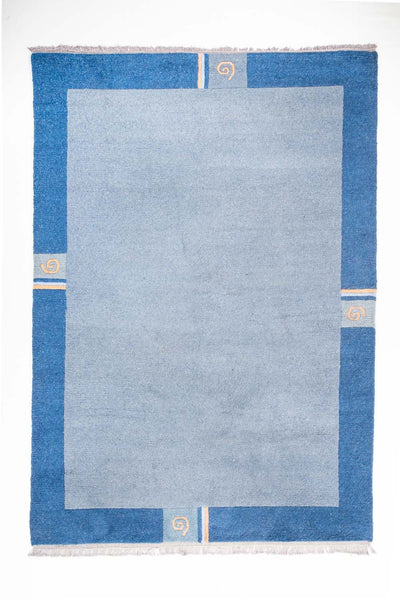
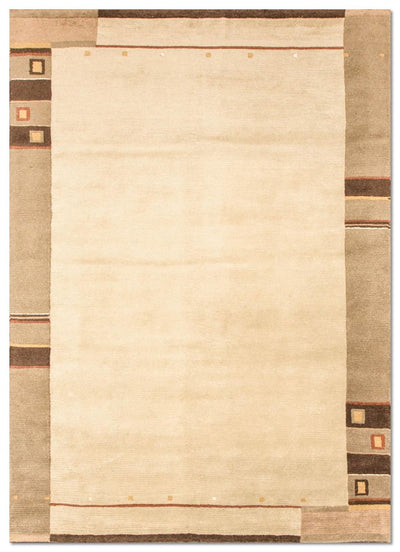
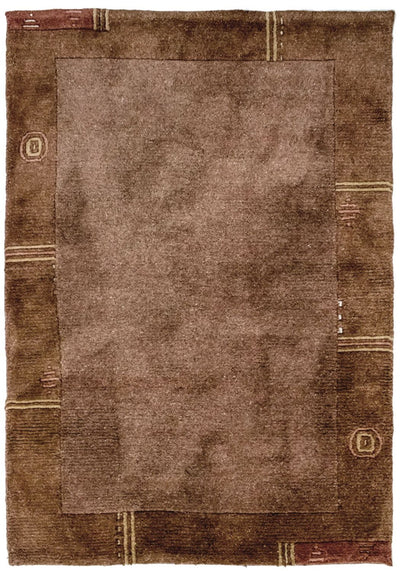
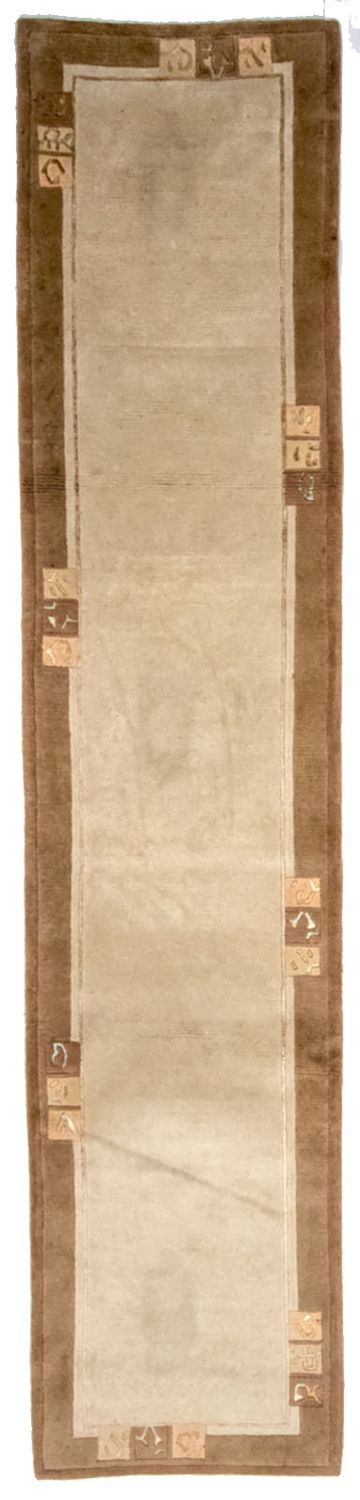
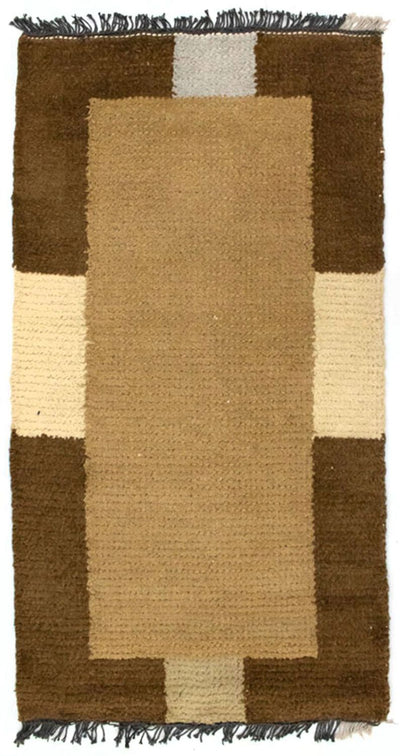
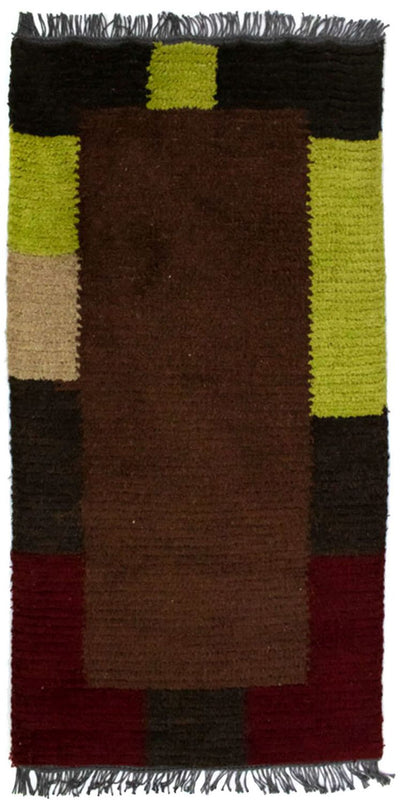
Nepalese rugs combine centuries-old handcraft from the Himalayas with natural highland wool and timeless patterns. Every piece is made with elaborate knotting skill and brings robust quality and elegant designs into your living spaces. Since 1977 (in Hamburg since 2007), Morgenland has offered these unique works of art together with expert advice.
The history of Nepalese rugs begins in the 1950s, when Tibetan refugees brought their centuries-old knotting craft to Nepal. In the region around Kathmandu, in the shadow of Mount Everest, an important centre for high-quality rug production emerged. The craftspeople from Tibet had skills in working highland wool that went back generations, and they passed their knowledge on to local producers.
A Swiss development worker recognised the commercial potential of this traditional handcraft. He encouraged the knotters to adapt their designs to European tastes. This gave rise to the characteristic border rugs with harmonious colouring that are valued worldwide today. The Tibetan knotting technique differs fundamentally from Persian or Turkish methods because of its special type of knot.
The region around Nepal and Tibet offers ideal conditions for this craft. Sheep graze on high pastures up to 4,000 metres in the Himalayas and provide particularly fine, hard-wearing wool. These natural resources form the basis for products of exceptional quality. The close connection between origin, material and craftsmanship makes every Nepalese rug an authentic one-off.
An authentic Nepalese rug is made from natural materials of the highest quality. The foundation is made of hard-wearing cotton, while the pile consists of pure virgin wool from Himalayan sheep. This highland wool is distinguished by particular softness, durability and natural dirt resistance. Premium pieces also use silk, which gives the rug a silky sheen.
Depending on the quality, the knot density varies between 40,000 and 280,000 knots per square metre. In the trade, this density is given in "knots": 60 knots correspond to around 90,000 knots, while 200 knots mean around 280,000 knots. Our collection at Morgenland typically ranges between 40,000 and 90,000 knots per square metre, which guarantees a balanced ratio of quality and price.
The Tibetan knotting technique allows precise contours and clear pattern lines. Every knot is tied individually by hand – a process that can take weeks or months depending on the size. This elaborate handwork guarantees exceptional durability and makes every piece unique. The natural lanolin in the virgin wool also provides dirt-repellent properties and a pleasant indoor climate.
Besides wool and silk, viscose is occasionally used to achieve certain sheen effects. Combining different materials allows a wide range of variants and expands the design possibilities. Nevertheless, highland wool remains the traditional and preferred material for authentic Nepalese rugs.
Nepalese rugs are known for their elegant border designs and harmonious colour combinations. The classic design consists of a plain or subtly patterned centre field framed by artistic borders. This structure creates a calm, timeless atmosphere in any room and makes the rug the visual highlight of the interior.
Typical patterns include floral elements, geometric shapes and abstract compositions. The colour palette ranges from natural earth tones and strong blue and red accents to modern variants in grey. While traditional pieces tend to have muted colours, modern designer collections also offer vibrant interpretations.
Particularly interesting are the contour cuts, which give the patterns a three-dimensional effect. This technique visually emphasises certain design elements and creates a relief-like appearance. Colouring is traditionally done with natural plant extracts, which gives a soft, authentic look. Pared-back designs with clean lines can also be found in this category.
Nomad-inspired motifs and traditional symbols from the region around Mount Everest also appear in many designs. These cultural references give every rug a special story and make it more than just a piece of furnishing – they are true works of art with a cultural background.
Nepalese rugs are available in numerous sizes and shapes to suit every room. The classic shape is rectangular, but square and round variants are also very popular. For hallways and narrow areas, runners in different lengths are perfect.
Common standard sizes include 150 x 200 cm, 170 x 240 cm and 200 x 300 cm. For larger living spaces we also offer formats such as 250 x 350 cm. Smaller sizes from 40 x 60 cm serve as accent pieces or as a seat mat.
When choosing the right size, bear in mind that the rug should ideally lie under the main pieces of furniture or at least partly touch them. A rug that is too small looks lost, while one that is too large makes the room look smaller. Special shapes such as oval or round pieces set special accents and are ideal for entrance areas or under dining tables. The diameter of round rugs typically varies between 150 and 300 cm.
On our page you can use the filter to sort by size and find the right variant for your home. Sorting by various criteria makes it easier to choose from our extensive range.
Thanks to their versatility and robust nature, Nepalese rugs are suitable for almost every room in the home. In the living room they create a cosy, inviting atmosphere and visually define the seating area. Placed under a coffee table, the rug becomes the central design element and lends the room elegance.
In the bedroom the soft wool feels pleasant underfoot in the morning. The natural materials regulate the indoor climate and contribute to a healthy sleeping environment. A Nepalese rug also cuts a fine figure in the study – it muffles footsteps and creates a focused working atmosphere.
For dining rooms, pieces with a slightly lower pile are recommended, as they are easier to clean. A runner in the hallway welcomes guests in style and at the same time protects the floor in heavily used areas. The hard-wearing highland wool easily withstands intensive use and keeps its beauty for years.
Living spaces of all kinds benefit from the natural elegance of these rugs. Even in kitchens they can serve as stylish accents, provided they are not placed directly in front of the cooker. Their versatility makes Nepalese rugs ideal companions in every part of your home.
Nepalese rugs made of virgin wool need gentle care that preserves the natural lanolin. Vacuum your rug regularly in the direction of the fibres with low to medium suction. Avoid rotating brushes, which could damage the wool. With new rugs, slight shedding in the first few weeks is completely normal and not a quality defect.
With stains, act quickly but carefully. Dab liquids immediately with a clean, white cloth – never rub, as this pushes the dirt deeper into the fabric. For cleaning, use lukewarm water and a special wool detergent without grease-dissolving substances that would remove the natural lanolin.
A slight wool smell in new products disappears after a few days of airing. Professional cleaning is recommended every two to three years, depending on use. Make sure the cleaning service has experience with hand-knotted wool rugs. With the right care, your Nepalese rug will stay beautiful and functional for decades – a true heirloom for the next generation.
When buying a Nepalese rug, several quality criteria play an important role. First check the knot density: the higher the number of knots per square metre, the finer and more detailed the pattern. Look for even knotting without loose threads or irregular areas. The back should clearly show a mirror image of the pattern on the front.
The material is decisive for quality and durability. High-quality pieces are made of pure virgin wool or a combination of wool and silk. Feel the pile – it should be dense, soft and even. With natural materials, the colours look harmonious and never artificially garish. You can recognise authentic handwork by small irregularities that make every piece unique.
The price depends on size, knot density, material and design. An authentic hand-knotted Nepalese rug has its value, but inflated prices are not always justified. Reputable dealers provide transparent information about origin, material and method of manufacture. A discount or special offer can make the purchase more attractive, but quality should always come first.
Also make sure that the item meets your spatial requirements. Use the filters and sorting on the page to search specifically for suitable variants. Investing in a high-quality Nepalese rug pays off thanks to its durability and timeless elegance, which will enrich your home for many years.
Since 1977, Morgenland has stood for expertise, quality and personal advice. At our location in Hamburg we present a carefully curated selection of Nepalese rugs and other oriental and modern rugs. Our team has decades of experience and knows the origin, history and special features of every single item in our range.
In our Hamburg showroom you can take your time to look at the rugs, touch them and see them in different lighting conditions. We advise you comprehensively on material, size, care and placement. As an established brand, we offer you various collections: Morgenland Legacy for lovers of the classic and Morgenland Futura for modern interpretations of traditional patterns.
Delivery to your home is safe and reliable. Our customer service is always available to answer your questions. If the rug does not meet your expectations, we offer an uncomplicated return. With Morgenland you choose tradition, quality and service – values we have lived since 1977 and pass on to our customers.
All our products undergo strict quality controls. We maintain direct contacts with manufacturers and know the production conditions. In this way we guarantee you not only first-class rugs but also fair and transparent trading practices. Visit us in Hamburg or browse our extensive range online.
A genuine Nepalese rug is hand-knotted, which you can recognise from the back: the pattern is visible there as a mirror image. The edges are finished by hand and the pile consists of natural materials such as virgin wool or silk. Machine-made rugs lack these characteristic features of handwork. Small irregularities are typical and confirm authentic manufacture.
The price depends on size, knot density and material. Smaller pieces start from a few hundred euros, while large, finely knotted pieces can cost several thousand euros. The investment pays off thanks to the durability and timeless quality of these hand-knotted works of art. A good price reflects the elaborate handwork and high-quality materials.
Vacuum regularly in the direction of the pile without rotating brushes. For stains, dab immediately with lukewarm water and wool detergent. Avoid aggressive cleaning agents and have the rug professionally cleaned every two to three years to preserve its quality in the long term. This keeps the natural lanolin intact and protects the fibres.
Yes, virgin wool is a natural material that binds dust instead of stirring it up. The antistatic properties of wool prevent particles from spreading through the air. Regular vacuuming supports an allergy-friendly living environment and improves the indoor air. The nature of highland wool makes Nepalese rugs particularly well tolerated.
With good care, a hand-knotted Nepalese rug can last several decades. The robust highland wool and the dense knotting make it extremely hard-wearing. Many rugs are even passed down through generations and remain beautiful – a true one-off for life. The high knot density guarantees exceptional durability.
For living rooms and bedrooms, rectangular formats placed under or in front of furniture are suitable. Round rugs set accents in entrance areas or under dining tables. Runners are ideal for hallways and long, narrow rooms. The choice depends on the size of the room and the planned furnishings – use our filter for a targeted search.
The virgin wool comes from sheep that graze on high pastures in the Himalayas, often in the region around Tibet and Nepal. This highland wool is particularly fine, soft and resilient. Nature and the climatic conditions around Mount Everest shape its unique quality and make it ideal for high-quality rug production. The altitude of up to 4,000 metres gives the wool special properties.
Tradition, expertise & verified quality
Shop without risk
Simple & convenient home delivery
The right rug for every style

$38.00