






Since 1977: Your rug specialist
Tradition, expertise & verified quality
Bidjar rugs from western Iran are among the elite of Persian rugs. Exceptional sturdiness thanks to a special knotting technique with multiple weft threads. Made by Kurdish master weavers.
… Products
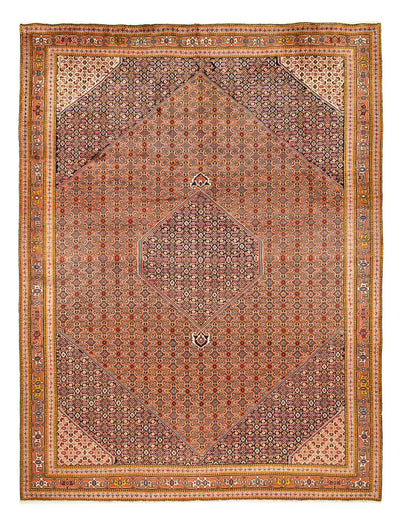


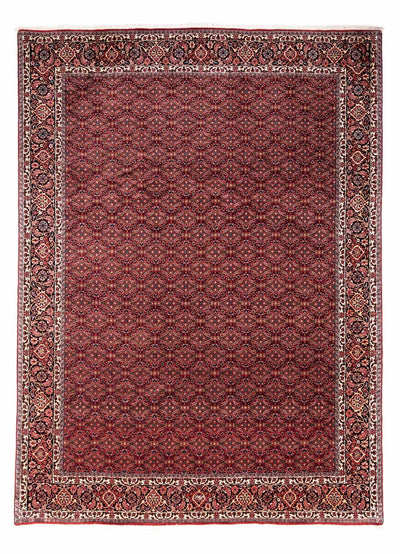
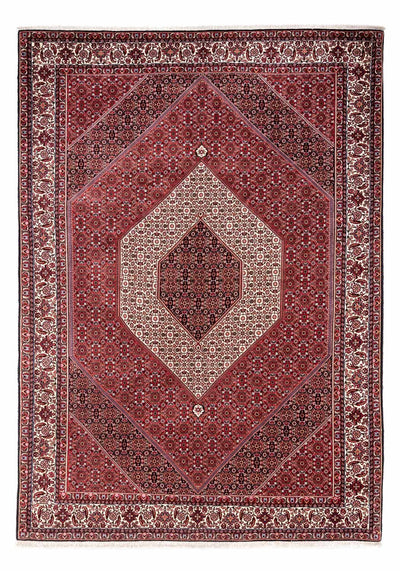

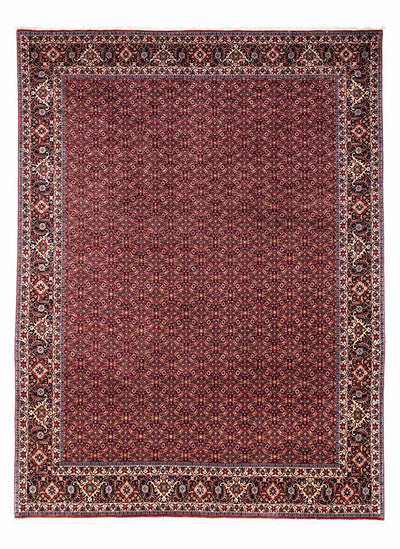
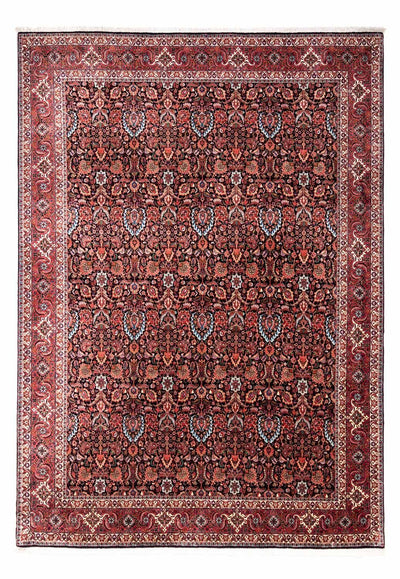
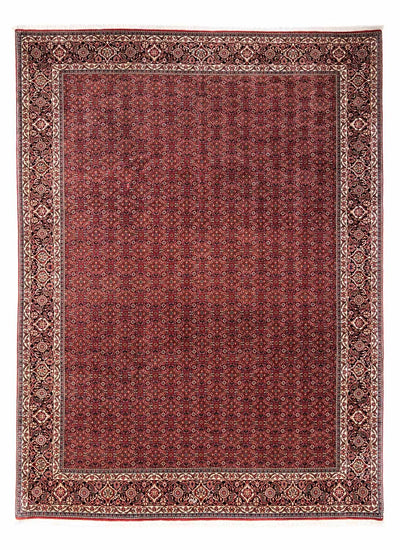
Bidjar rugs belong to the premier league of Persian rugs and impress with their extreme sturdiness, dense knotting and timeless patterns. They come from the town of Bidjar in western Iran, which gave them their name, and are traditionally made by Kurdish weavers. These masterpieces of rug making combine the finest wool quality with centuries-old craftsmanship.
Bidjar rugs originate from the town of Bidjar and surrounding areas such as Tekab, Bukan and Zanjan in the Iranian province of Kordestan. The Kurds have been knotting these robust rugs for centuries. The region's particular location encouraged exchange with different knotting traditions, which led to the development of different Bidjar groups. One special feature is the traditional production: Bidjar rugs are knotted exclusively by men, which is a rarity in Persian rug art. This tradition has survived to this day in many workshops. The name Bidschar is also used and refers to the same high-quality pieces from this important rug region in Iran.
The quality of the materials makes Bidjar rugs true powerhouses among oriental rugs. The base material is high-quality virgin wool from sheep in mountain regions. This wool is distinguished by its longevity and natural sheen. High-quality pieces combine wool in the pile with silk for special accents or use silk throughout for the finest details. Knotting is done with the symmetrical Turkish knot on cotton warps. The knot density reaches impressive values of between 250,000 and 600,000 knots per square metre. A characteristic feature is the use of an additional weft thread between the rows of knots. This is beaten in so firmly with an iron comb that exceptional thickness and density result. The weft yarn is usually made of strong cotton, sometimes also of wool. The multiple layers of weft threads further increase sturdiness. This special technique of beating in the wefts firmly makes the Bidjar rug the most stable of all hand-knotted rugs worldwide.
The variety of patterns in Bidjar rugs is impressive. A classic design is the Herati pattern, also known as the herringbone pattern. This geometric motif consists of stylised flowers surrounded by diamond-shaped elements. The Herati pattern looks particularly harmonious and is found both in the field and in the borders. Medallion patterns are also part of the traditional repertoire. A central medallion is surrounded by floral tendrils and geometric ornaments. The colour palette ranges from strong reds and deep blues to earthy browns and beiges. Green, yellow and turquoise are also used as accent colours. The style combines Kurdish tradition with Persian elegance. Afshar influences show in more geometric variants. Every piece reflects the creativity of the weavers and makes each item a one-of-a-kind piece full of beauty.
Bidjar rugs are produced in numerous sizes. Small formats from 40 x 60 cm work as accent pieces or wall hangings. The standard size of 150 x 200 cm fits perfectly in front of sofas or under coffee tables. Larger formats such as 200 x 300 cm or 250 x 350 cm create impressive focal points in spacious rooms. Runners are also made in Bidjar quality and are perfect for hallways or galleries. Most Bidjar rugs have a rectangular shape, which is classic and versatile. Because of the extreme thickness and heavy weight of these rugs, transporting larger pieces is a challenge. One square metre can easily weigh 8 to 12 kilograms, which underlines the solid quality.
Thanks to their robustness, Bidjar rugs are suitable for high-traffic areas. In the living room they create a warm, prestigious atmosphere and withstand decades of use. Their dense structure makes them ideal for the space under dining tables or seating groups. They also prove their worth in the dining room, as dirt cannot penetrate deeply thanks to the dense knotting. In the bedroom, the high-quality wool feels pleasant underfoot and contributes to a healthy indoor climate. Runners in the hallway withstand even the most intensive use. Their timeless elegance suits modern and classic interiors alike. Some collectors also use high-quality Bidjars as wall decorations to show off the artful knotting to best effect.
Caring for a Bidjar rug is straightforward. Regular vacuuming with a brush attachment in the direction of the pile removes dust and dirt. Thanks to the extremely dense knotting, dirt hardly penetrates the deeper layers. If there are stains, act quickly and blot the affected area with a damp cloth. Aggressive cleaning agents should be avoided, as they can attack the natural colours. Professional rug cleaning is recommended every five to ten years, depending on use. The rug is washed gently and the fibres are cared for. Avoid direct sunlight over long periods to prevent the colours from fading. For storage, the rug should be rolled, not folded. Their great sturdiness and density make Bidjar rugs exceptionally easy to care for and long-lasting.
When buying, you should pay attention to several quality features. First check the knot density on the back. The finer and more even the pattern appears, the higher the quality. A genuine Bidjar feels exceptionally heavy and firm. The back should show the pattern clearly. Look for even colours without chemical after-treatment. Natural colour variations, known as abrash effects, are a sign of traditional plant dyeing and increase the value. The price of an authentic Bidjar is well above that of average oriental rugs, which is justified by the quality. Including VAT, prices range from a few hundred to several thousand euros, depending on size, age and condition. Be wary of unrealistically cheap offers. Versions from India, known as Indo Bidjar, are less expensive but do not achieve the sturdiness of Iranian originals. Ask about the exact origin and whether the piece comes from Bidjar, Takab, Bukan or Zanjan.
Since 1977 (in Hamburg since 2007) we have been your specialist for high-quality oriental rugs. In our showroom we present a carefully curated selection of Bidjar rugs in different sizes, patterns and price ranges. Every item is personally selected by us and checked for authenticity. Our many years of experience allow us to give expert advice on material, origin and care. We value transparent pricing and regularly offer attractive discount promotions. All prices include VAT. With us you are not just buying a rug, but a piece of cultural history from the world of Kurdish weavers. Visit us in Hamburg and experience the exceptional quality of Bidjar rugs. Our expertise will help you find the perfect piece for your home. The combination of traditional craftsmanship and modern service makes us your reliable partner.
Their exceptional sturdiness comes from a special knotting technique with several weft threads between the rows of knots. These are beaten in extremely firmly with an iron comb, which creates unusual density and thickness. This makes the Bidjar the most stable hand-knotted rug of all.
Absolutely – the timeless patterns and high-quality workmanship blend perfectly into modern interiors. Pieces in muted shades such as beige, grey or restrained reds harmonise particularly well with minimalist furnishings. The clear structure of the Herati pattern looks surprisingly contemporary.
You can recognise genuine Bidjars by their exceptional weight and extreme sturdiness. The back shows a clearly visible pattern with a high knot density. The weft is very dense and often visible in several layers. In addition, a genuine Bidjar feels stiff and inflexible, while imitations are softer.
Prices vary greatly depending on size, age, condition and knot density. Smaller formats start at around 800 to 1,500 euros, while large pieces can cost several thousand euros. Antique pieces of collector's quality reach considerably higher prices. The high price reflects the exceptional quality and longevity.
With proper care, a Bidjar rug can easily last for several generations. Its extreme sturdiness and dense knotting make it exceptionally hard-wearing. Many pieces from the 19th century are still in excellent condition today. A lifespan of 100 years or more is realistic with good treatment.
Rugs from the town of Bidjar itself are considered the classic examples with the greatest sturdiness. Pieces from Tekab often show finer knotting and more elegant patterns. Bukan Bidjars sometimes have coarser structures with stronger colours. Zanjan pieces combine Bidjar technique with regional design elements. All variants share the characteristic sturdiness but differ in fineness and style.
Yes – thanks to its extreme robustness, a Bidjar is ideal for families. The dense knotting prevents dirt from penetrating deeply and makes cleaning easier. Even heavy use by playing children or pets is no problem for a Bidjar. The hard-wearing wool stays beautiful and functional even with heavy use.
Tradition, expertise & verified quality
Shop without risk
Simple & convenient home delivery
The right rug for every style

$38.00