
Since 1977: Your rug specialist
Tradition, expertise & verified quality
Discover hand-knotted Persian rugs from Iran of the highest quality. Traditional craftsmanship, fine materials and timeless designs for your home. Expert advice since 1977.

Abadeh Rugs

Ardebil Rugs

Ardakan Rugs

Afshar Sirjan Rugs

Bachtiari Rugs

Bidjar Rugs

Bidjar - Takab Rugs

Borchalou Rugs

Farahan Rugs

Gholtogh Rugs

Ghoutshan Rugs

Ghom Rugs

Garawan Rugs

Ghashghai Rugs

Golpayegan Rugs

Hamadan Rugs

Heriz Rugs

Hosseinabad Rugs

Isfahan Rugs

Joshaghan Rugs

Jozan Rugs

Kaschmar Rugs

Kayseri Rugs

Kerman Rugs

Keshan Rugs

Kolyai Rugs

Lilian Rugs

Mahal Rugs

Malayer Rugs

Maschad Rugs

Mehraban Rugs

Meschkin Rugs

Meymeh Rugs

Mir Rugs

Moud Rugs

Najafabad Rugs

Nomad Rugs

Nahavand Rugs

Nain Rugs

Oriental Woven Rugs

Qaraja Rugs

Tabriz Rugs
Persian Rugs Nomadic

Rafsanjan Rugs

Rudbar Rugs

Sabsewar Rugs

Sarab Rugs

Sarough Rugs

Sharbabak Rugs

Senneh Rugs
… Products


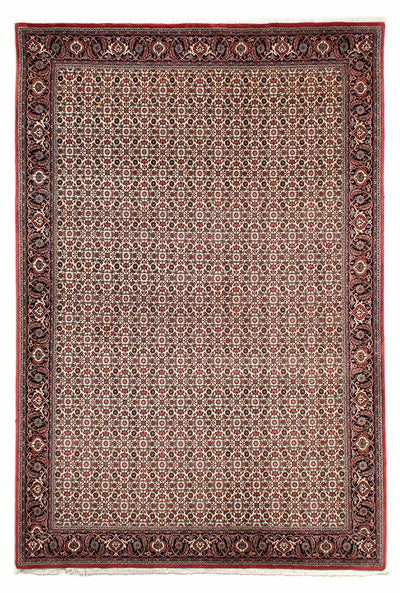


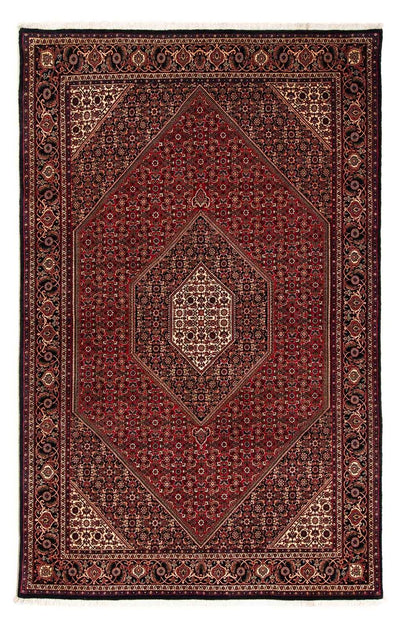
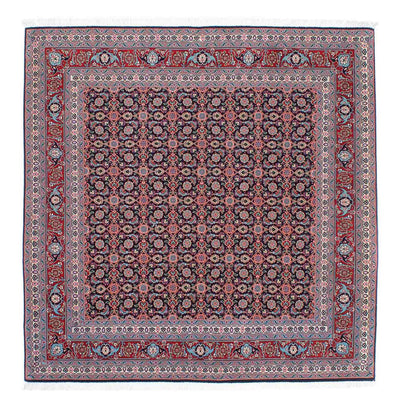
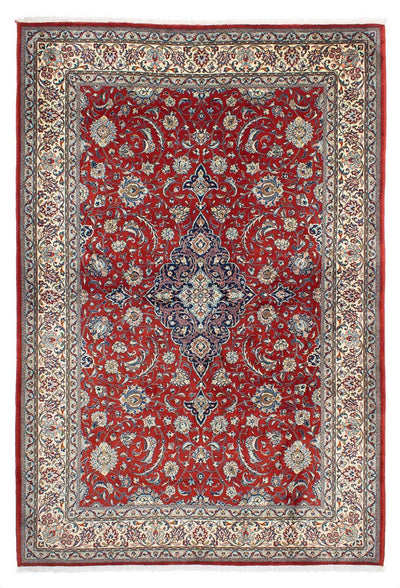


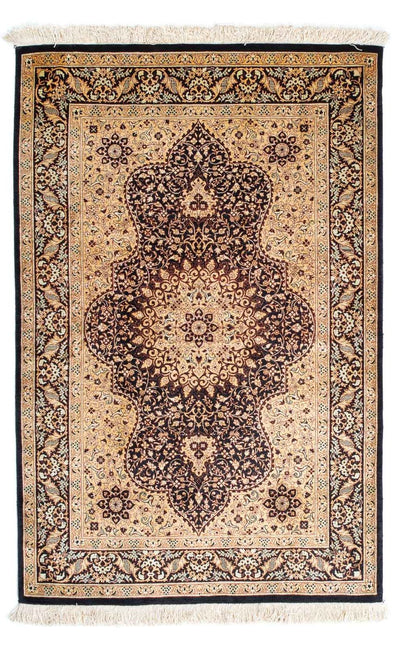
A Persian rug combines millennia-old craftsmanship with timeless elegance and turns any room into a stylish setting. These hand-knotted masterpieces from Iran and neighbouring regions of historic Persia represent the highest quality in material, workmanship and design.
The term Persian rug stands for hand-knotted oriental rugs from Iran, Afghanistan and other provenances of the former Persian Empire. Over centuries, each region developed its own knotting techniques and designs, which still shape the character of the rugs today. In 2010 UNESCO recognised the art of carpet weaving in Fars and Kashan as Intangible Cultural Heritage of Humanity.
The history of Persian rug art goes back more than 2,500 years. In the 17th century the first pieces reached Europe and quickly became coveted luxury goods in aristocratic circles. From the 20th century, Iran introduced quality standards to protect the authenticity and value of these works of art.
Persian rugs differ clearly from other oriental rugs in their floral patterns, the high fineness of the knotting and their characteristic colouring. While oriental rugs from India often look more uniform, every Persian has an individual character and natural authenticity.
Genuine Persian rugs are made exclusively from natural materials. The basis is high-quality wool, often complemented by fine silk for particularly delicate details or entire rugs. The virgin wool comes mainly from local sheep breeds and is carefully washed and combed before processing.
They are made entirely by hand on traditional looms. Two knotting techniques dominate: the symmetrical knot and the asymmetrical knot. Experts can identify a rug's exact region of origin from the type of knot, the material used and the design of the pattern.
Knot density varies considerably depending on provenance and quality grade. Coarser pieces have 40,000 to 80,000 knots per square metre, while particularly fine pieces from Isfahan or Qom can reach more than 1.1 million knots. A very fine Persian rug requires up to a year of concentrated handwork.
For Persian wool rugs, the wool is traditionally dyed with natural and plant dyes. Indigo provides the characteristic blue, madder produces various shades of red, while saffron and weld provide yellow and green nuances.
Traditional Persian rug patterns have followed established design principles for centuries. The central medallion often forms the focal point, surrounded by floral ornaments and an artfully worked border. These ornaments are not only decorative but often carry symbolic meanings.
Typical motifs include stylised flowers, tendrils, vase shapes and geometric elements. In some regions, such as Sarough, floral designs with dense patterning dominate, while other provenances, such as Bidjar, prefer clear, geometric compositions. The variety of designs reflects the cultural independence of the different knotting centres.
The colour palette of genuine Persians is based on natural dyes and shows characteristic combinations. Red in various shades is one of the most common ground colours, often combined with blue, beige and ivory. Red rugs radiate warmth and tradition, while blue pieces convey cool elegance.
Alongside the classic shades, there are also turquoise, green, yellow and pink accents. The natural dyes give the rugs a depth and vibrancy that synthetic colours cannot achieve. Each colour unfolds different nuances in the light and makes the rug look alive.
Persian rugs are produced in numerous formats, from small decorative pieces to room-filling masterpieces. The most common formats follow traditional dimensions that have proven themselves over centuries.
Smaller formats from 40 x 60 cm work as accents in front of chests of drawers or as wall hangings. Medium sizes such as 150 x 200 cm or 170 x 240 cm are ideal dimensions for living areas and bedrooms.
Large pieces from 200 x 300 cm up to 300 x 400 cm create an impressive effect in the room. Besides rectangular formats, there are also round Persian rugs, square versions and narrow runners for hallways and corridors.
The choice of size depends on the size of the room and its furnishings. In living rooms, the rug should either take in all the furniture or at least the front legs of the seating group to achieve a harmonious effect.
A high-quality Persian is suitable in principle for all living areas and has a different effect depending on the room. In the living room it is the central eye-catcher and creates an atmosphere of comfort and style. Living room rugs in classic designs harmonise with a wide range of interior styles, from traditional to modern.
In the bedroom, a Persian rug ensures warm feet and a cosy ambience. More subtle colours and finer patterns that radiate calm are recommended here. Pieces in shades of beige, cream and soft blue are particularly popular, as they underline a restful character.
For dining areas, more robust qualities with dense knotting are suitable, as they cope well with chairs being pushed back and forth. The quality of the workmanship shows in its longevity, especially with daily use. Entrance areas and hallways also benefit from hard-wearing Persian rugs that welcome guests in style.
In modern interiors, Persian rugs create exciting contrasts. The traditional craftsmanship complements clean, minimalist furniture and gives the room warmth and depth. This combination of different interior styles creates individual and lively living spaces.
With the right care, high-quality Persians are extremely durable and can last for generations. Regular care involves simple vacuuming in the direction of the pile at reduced suction. Rotating brushes should be avoided so as not to damage the delicate fibres.
Treat fresh stains immediately by blotting up the liquid with a clean, light-coloured cloth. Rubbing makes things worse, as it pushes the dirt deeper into the weave. For stubborn soiling, professional rug cleaning by a specialist company is recommended.
A thorough clean by specialists should be carried out at least every three to five years. They have the necessary expertise to treat natural materials and natural dyes gently. Professional cleaning preserves not only the appearance but also the value of the rug.
Direct sunlight can bleach the natural colours. So do not place the rug permanently in full sun, or use curtains for protection. Turning the rug regularly distributes wear evenly and extends its lifespan.
When buying a Persian rug, several factors determine its quality and value. Knot density indicates the fineness of the work. The higher the number of knots per square metre, the more detailed the patterns can be and the denser the pile becomes.
You can recognise the quality of the material by its feel. High-quality wool feels soft and supple, not stiff or scratchy. With silk rugs, the material should have a silky sheen and flow. Check the back: on genuine hand-knotted pieces the pattern is clearly visible, on machine-made goods it is blurred.
A certificate of authenticity documents the origin, age and quality of the rug. Reputable dealers issue this documentation as a matter of course. The price depends on size, knot density, age and rarity. Very fine antique pieces from renowned knotting centres such as Isfahan fetch higher prices than younger, coarser examples.
Look for even knotting without major irregularities. Small deviations are normal in handwork and underline authenticity. Extreme irregularities or abrupt colour changes, on the other hand, can indicate inferior goods. The border should be cleanly worked and match the main field harmoniously.
Invest in quality rather than quantity. A high-quality Persian rug is a purchase that holds its value; it not only enriches your home aesthetically but can also increase in value. Demand for authentic pieces is rising, while supply is falling as production declines.
The various knotting regions in Iran and neighbouring areas have developed characteristic styles. Bidjar rugs from the Kurdish north-west are considered particularly robust and durable. Their dense knotting and the use of high-quality wool make them ideal for heavily used areas.
Rugs from Sarough in central Iran are distinguished by dense floral patterning and high quality. The region has been producing masterpieces of rug art with characteristic red and blue tones for centuries. Some Sarough rugs reach knot densities of more than 500,000 knots per square metre.
Isfahan rugs represent the highest level of Persian rug art. Pieces from the historic capital impress with extremely fine knotting, often using silk. Their richly detailed patterns and harmonious colour combinations make them sought-after collector's items.
Nain rugs from the town of the same name south-east of Isfahan typically show light ground colours such as beige, cream or light blue. The delicate patterns and frequent use of silk accents give them a noble, understated elegance that fits perfectly into modern interiors.
Since 1977 (in Hamburg since 2007), Morgenland has stood for expertise, quality and personal advice in the field of high-quality oriental rugs. Our team consists of experienced specialists who personally select every piece and check it for authenticity and quality.
In our Hamburg showroom you can experience the variety of Persian rug art up close. Here you can compare different pieces, feel the materials and see the detailed work for yourself. Our advisers take the time to understand your wishes and find the right rug for your home.
We guarantee the authenticity of every rug with the corresponding certificates. With us you are not buying anonymous goods but individual works of art with a traceable origin. This transparency creates trust and security for your investment.
Our service does not end with the purchase. We also advise you on proper care and, if required, put you in touch with specialist cleaning companies. Partnerships built up over decades give us access to exceptional pieces that you will not find elsewhere.
Genuine Persian rugs are exclusively hand-knotted, which you can recognise by the clear pattern on the back. The use of natural materials and traditional knotting techniques creates a characteristic feel. A certificate of authenticity from a specialist dealer reliably documents origin and quality.
The price varies greatly depending on size, knot density, age and provenance. Smaller, newer pieces start in the mid three-figure range, while large antique pieces from renowned knotting centres can reach five-figure sums. Investing in quality pays off through longevity and stable value.
Regular vacuuming in the direction of the pile without a rotating brush is enough for basic care. Stains should be treated immediately by blotting, without rubbing. Professional cleaning every three to five years preserves the beauty and value of the rug in the long term.
High-quality, densely knotted wool rugs tend to bind dust rather than stir it up. Natural materials are generally more allergy-friendly than synthetic fibres. Regular cleaning and occasionally beating the rug outdoors also support a healthy indoor climate.
Persian rugs in restrained colours such as beige, grey or light blue blend harmoniously into modern interior styles. Classic patterns in muted tones also create exciting contrasts with minimalist furniture. The combination of tradition and modernity gives rooms an individual character.
Roll the rug loosely in the direction of the pile and wrap it in breathable material such as cotton. Store it in a dry, dark and well-ventilated place, never in plastic. Do not place heavy objects on it and check its condition regularly for pests.
High-quality Persian rugs from renowned knotting centres can certainly increase in value, especially as new production falls and demand rises. Condition, rarity, provenance and art-historical significance are decisive. A value-retaining investment requires good care and proper storage.
Tradition, expertise & verified quality
Shop without risk
Simple & convenient home delivery
The right rug for every style

$38.00