




Since 1977: Your rug specialist
Tradition, expertise & verified quality
Kilim rugs are flatwoven masterpieces of Oriental craftsmanship. Discover handmade kilims from traditional weaving regions – from Afghanistan to Persia. Since 1977.
… Products
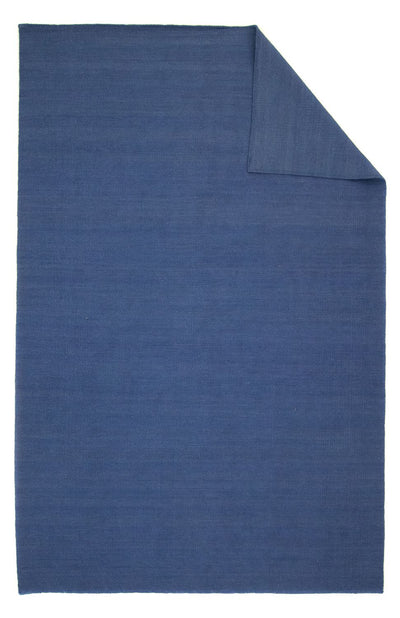
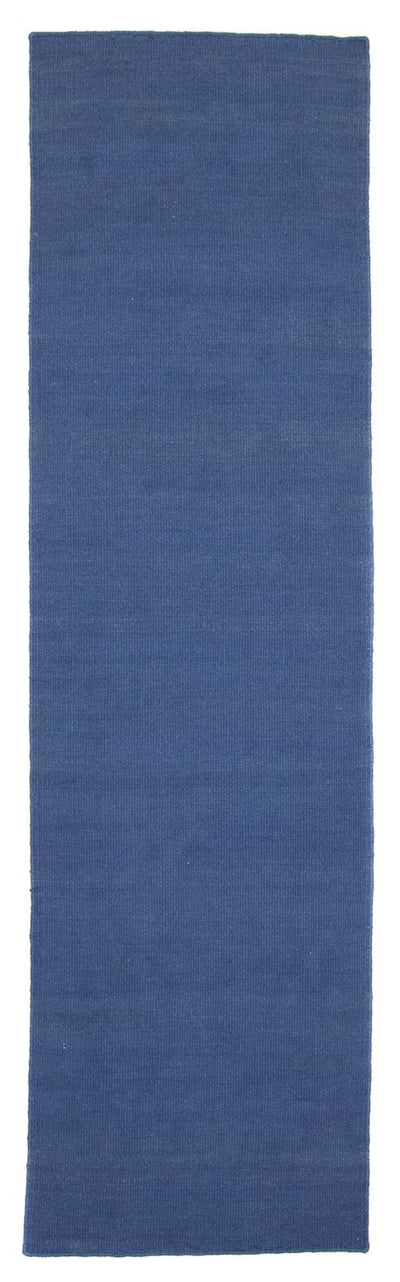
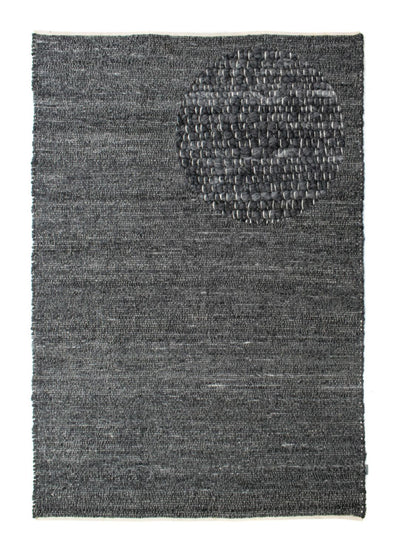
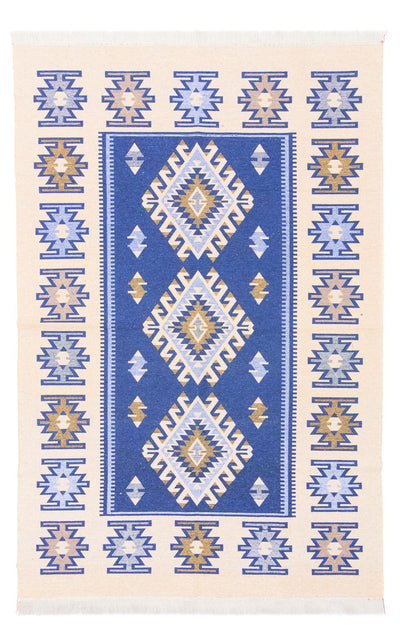
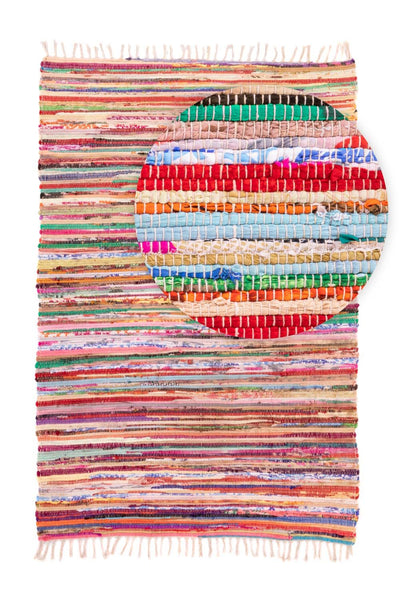

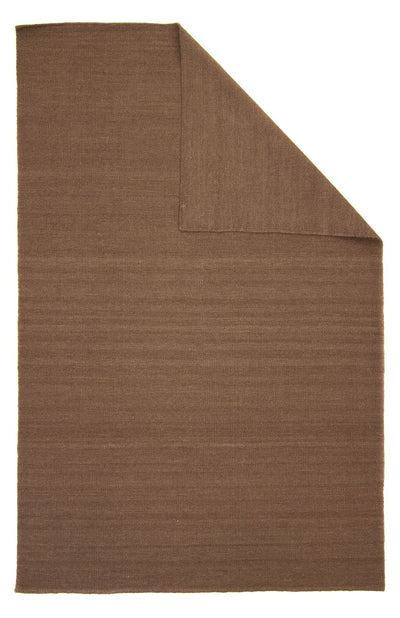
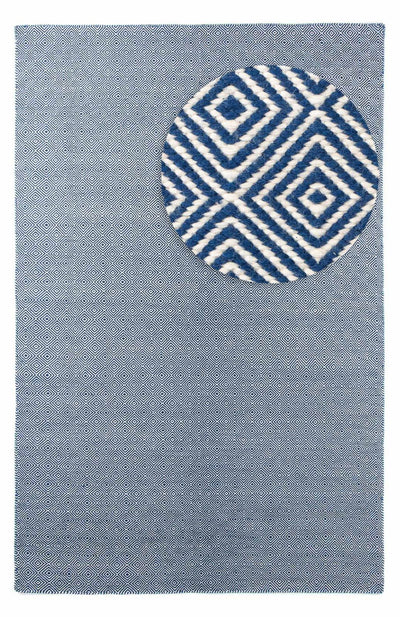
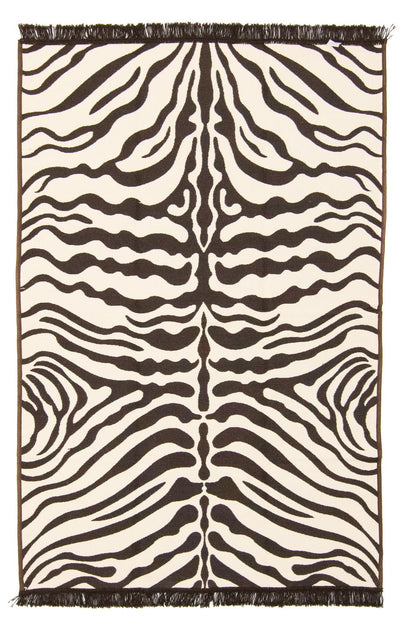
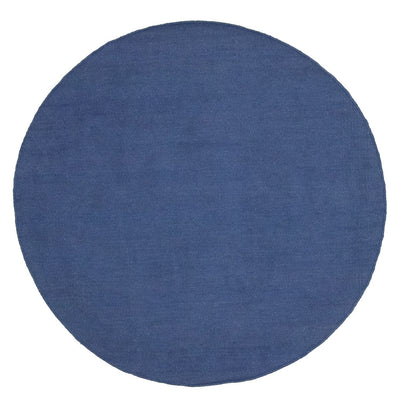

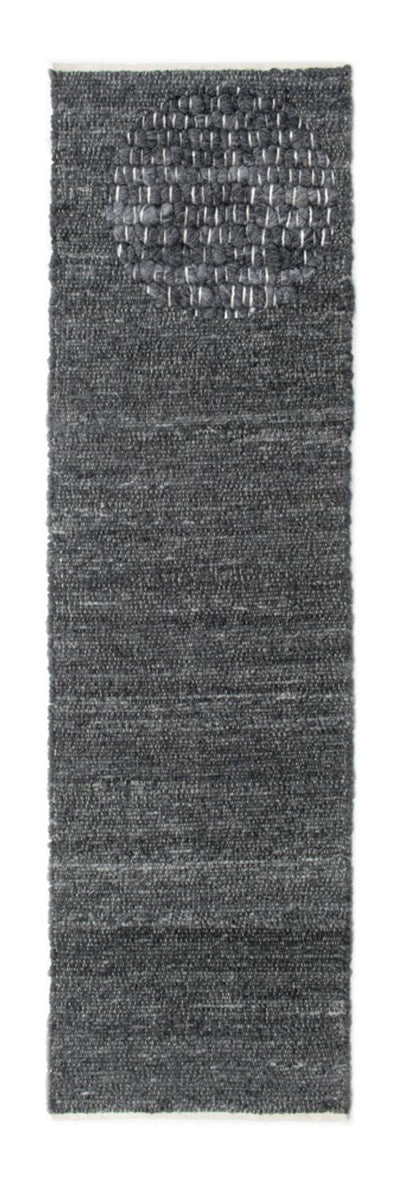

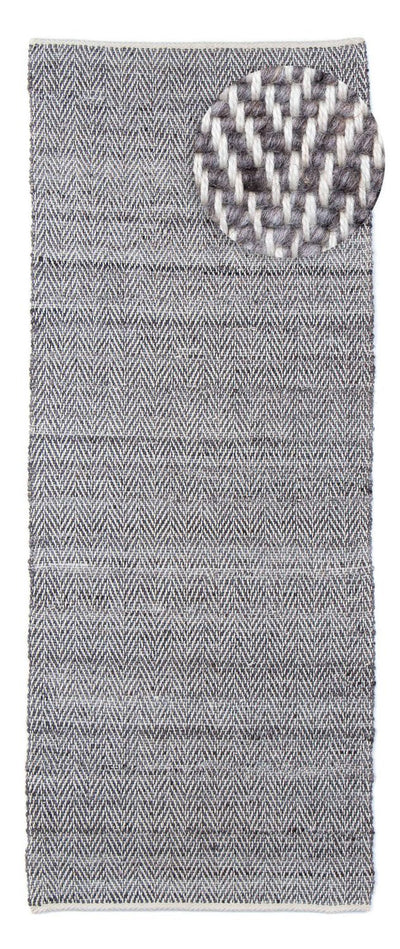
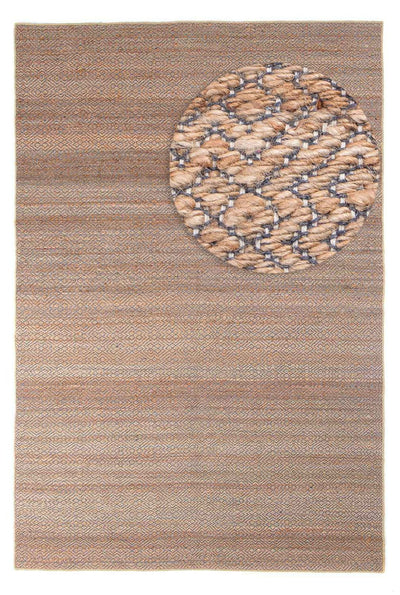

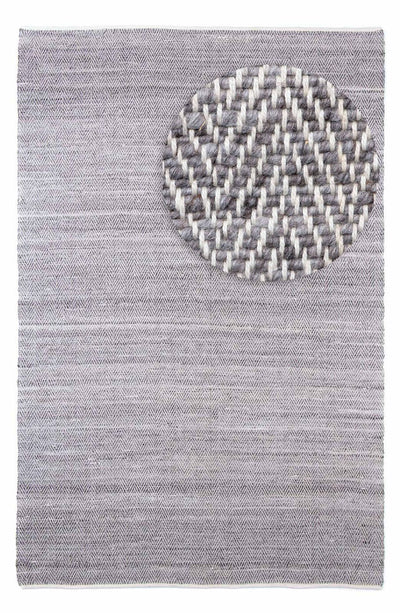
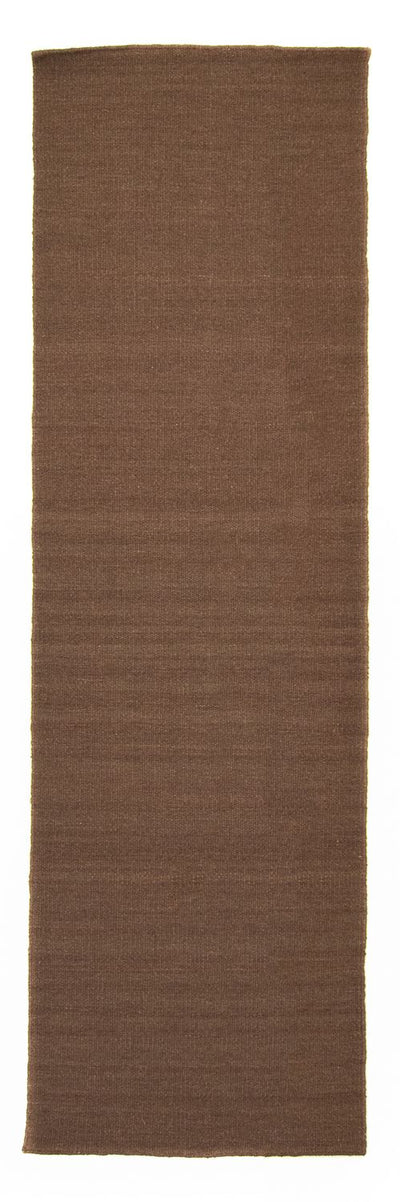
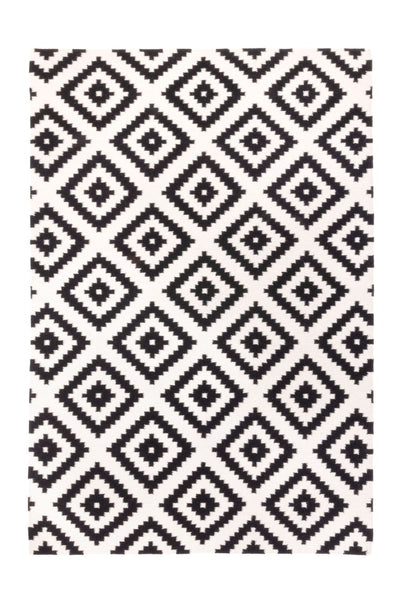
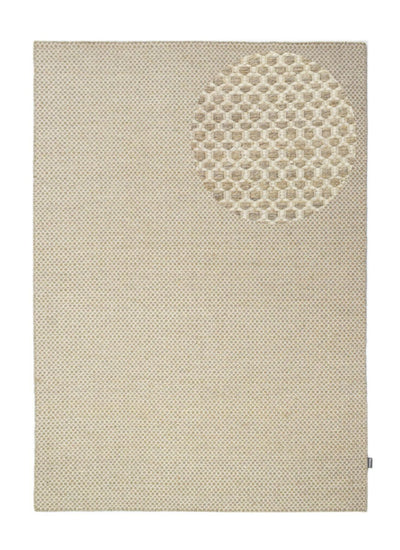
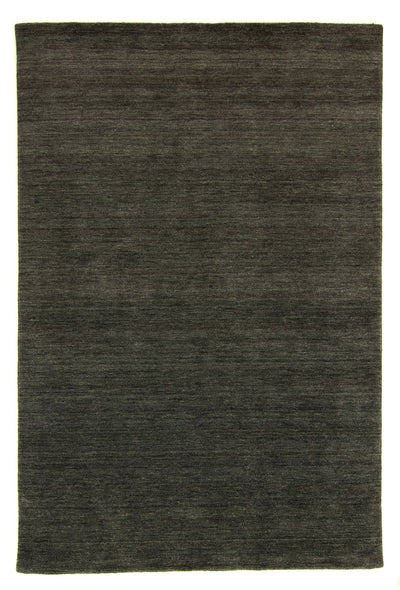
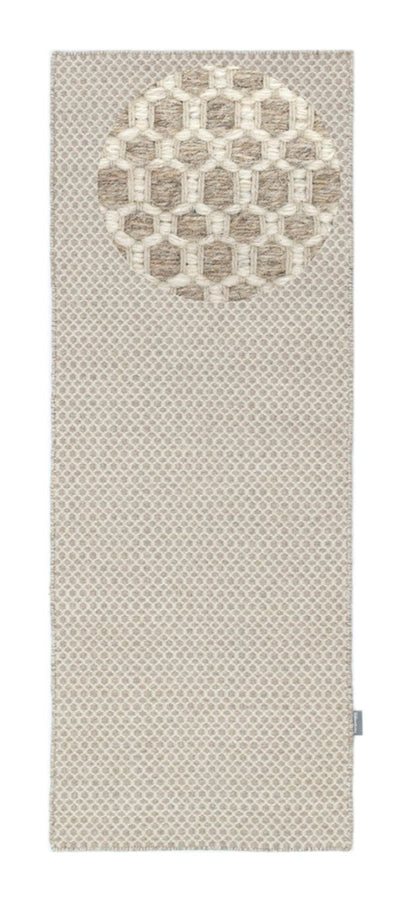
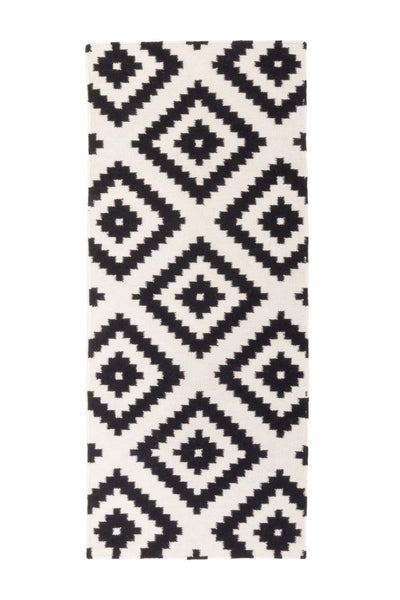
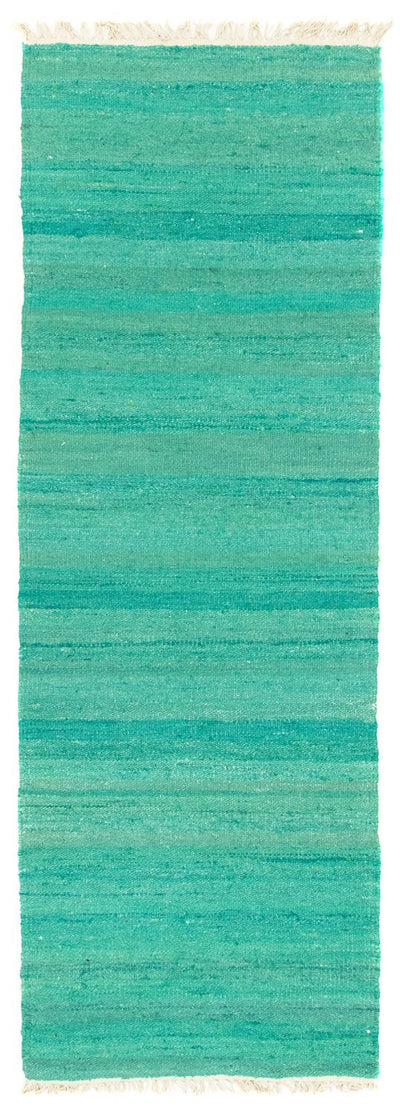
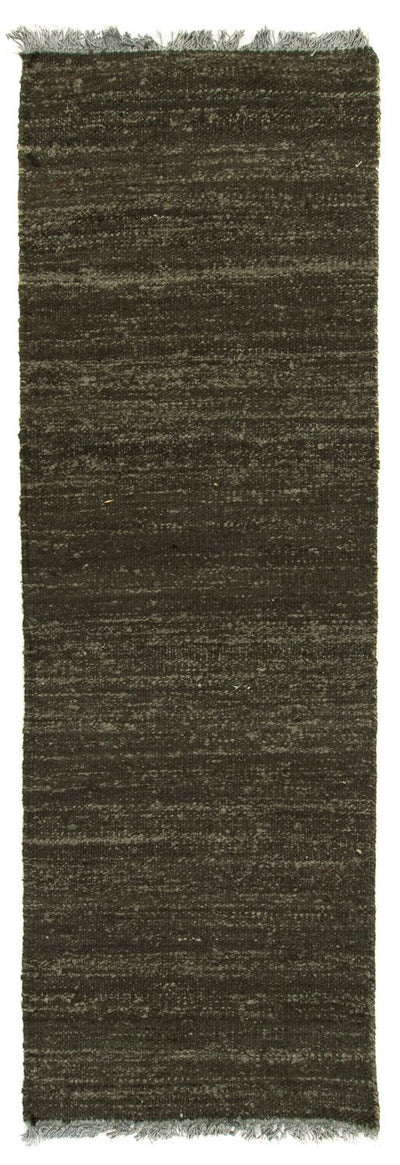
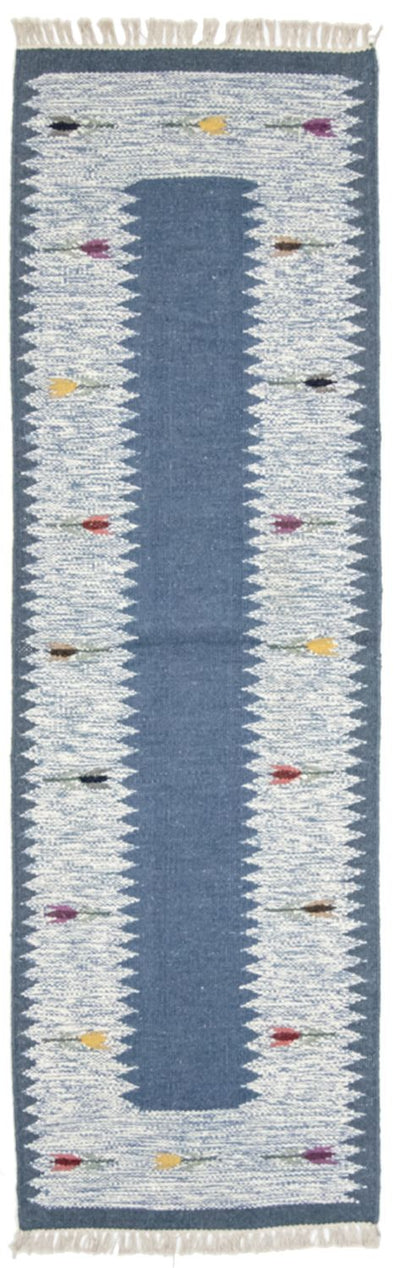
Kilim rugs are flatwoven masterpieces of oriental craftsmanship that impress with their robust structure and characteristic pattern language. These traditional flatweaves combine centuries-old weaving techniques with practical functionality for modern living spaces. Every handmade piece is a one-off that reflects the authentic weaving culture of its region of origin.
The term kilim (also spelt kelim) refers to flatwoven textiles without pile or knots, originally made by nomads in Afghanistan, Persia and Anatolia. The history of these versatile textiles goes back several centuries and is closely linked to the everyday life of wandering peoples. Kilims served not only as floor coverings but also as seating mats, saddle blankets, tent curtains or wall decorations – they were indispensable parts of nomadic life in a harsh world.
The tradition of kilim weaving has been passed down through generations, mainly by women in village communities. Each region developed its own characteristic designs and weaving techniques on traditional looms. Afghan kilim rugs from Afghanistan captivate with bold geometric patterns and particularly robust workmanship, while Persian versions such as the Fars kilim stand out for their finer weave structures and more detailed motifs.
Unlike classically knotted oriental rugs, these masterpieces are created by weaving the warp and weft threads directly together. The result is a reversible textile with a characteristic smooth surface. This special method of production makes every kilim rug a light, flexible yet hard-wearing home accessory that fits effortlessly into modern interiors.
The traditional kilim weaving technique differs fundamentally from the knotting method of classic oriental rugs. In the flatweave technique, the warp and weft threads are woven directly together without creating knots. The coloured weft thread is wrapped tightly around the warp threads, producing the characteristic flat, reversible structure with its distinctive surface.
Larger pieces are often woven in two separate halves and then sewn together in the middle. This method makes it possible to produce large formats on smaller, portable looms. The often visible central seam is not a flaw but an authentic feature of traditional weaving. Every piece shows slight irregularities that testify to the manual handwork and underline its uniqueness.
High-quality kilim rugs are made exclusively from natural fibres. Sheep's wool is the most common material for the weft and provides durability as well as natural thermal insulation. Natural wool is breathable, hypoallergenic and develops a fine patina over time. Robust cotton is often used for the warp, giving the fabric additional stability.
Afghan kilims often contain strong goat hair, which guarantees particular strength. Occasionally, jute or other natural fibres are also used. This combination of natural textiles makes the products particularly durable and easy to care for. The natural fibres used absorb plant and mineral dyes perfectly and develop harmonious, earthy shades that retain their expressiveness for decades.
The geometric patterns of a kilim rug are far more than mere decoration. They form a symbolic language with which weavers tell stories, express wishes and pass on the cultural values of their homeland. Each motif carries specific meanings that have been handed down over generations in various provenances.
Diamonds and squares symbolise protection and ward off evil. Zigzag lines represent water and fertility, while triangles serve as amulets against the evil eye. Hook shapes stand for prosperity, star motifs for spirituality. This pattern language arises inevitably from the right-angled weaving technique, which – unlike knotted rugs – does not allow flowing curves.
Different regions of origin have developed characteristic designs. Afghan kilims show bold geometric patterns in rich reds, browns and blues. Persian kilims from the Orient present finer, more detailed motifs with harmonious colour transitions. Anatolian pieces captivate with their colourful, high-contrast designs.
The clear, geometric design language goes perfectly with modern interior styles. Contemporary interpretations combine traditional patterns with pared-back colour palettes in ethnic style or opt for minimalist ethnic looks that blend seamlessly into Scandinavian or industrial living concepts. This combination of tradition and modern aesthetics makes kilims timeless furnishing elements.
The colour palette of traditional kilims is based on natural dyes from plants, roots, bark and minerals. These natural dyes produce harmonious, deep shades that retain their radiance even after decades. Red and orange are obtained from the madder root and symbolise joy.
Brown and beige come from natural wool tones and have a timelessly warm effect. Indigo blue from the indigo plant stands for wisdom, while yellow and gold from saffron or weld represent sun and strength. Green symbolises life and paradise.
Modern kilims often combine these traditional shades with subtle pastel tones or high-contrast black-and-white combinations. Multicoloured designs with lively accents in turquoise, red or neutral tones set attractive accents in contemporary living spaces and underline an individual style of living.
Kilim rugs are available in numerous sizes and formats, from compact runners to room-filling large pieces. Choosing the right size depends on the size of the room, the furniture and the desired effect. The dimensions should be carefully matched to the proportions of the room.
Small formats from 40 x 60 cm are suitable as accent rugs in front of chests of drawers or as wall decorations. Medium sizes such as 100 x 150 cm or 150 x 200 cm fit perfectly in front of sofas or under small dining tables. Large formats from 200 x 300 cm define entire living areas and create an impressive spatial effect.
In addition to classic rectangular formats, kilims are also available as runners for hallways and passageways. The narrow shape and variable length make them ideal for elongated rooms. Square kilims set modern accents and are particularly suitable for open-plan living concepts or as a centring element under dining tables.
The flat structure allows furniture and chairs to be moved easily, which makes kilims ideal for dining areas. When choosing the size, make sure that the kilim either lies completely under the furniture or is placed with at least 20–30 cm of space on all sides. The width should be chosen in proportion to the length of the room to create harmonious proportions.
The versatile structure of kilim rugs makes them suitable for almost every room in the home. Their robust weave withstands heavy use, while their low height offers practical advantages. The natural materials create a pleasant indoor climate in every room.
In the living room, a kilim defines the seating area and creates visual warmth. The flat surface does not get in the way when doors are opened. Place the rug so that at least the front legs of the seating furniture stand on it. Kilims are ideal for the dining room, as chairs glide over them easily and the easy-care surface can be cleaned quickly after minor mishaps.
In the bedroom, a kilim provides comfort and natural warmth. Its hypoallergenic properties from pure sheep's wool make it the optimal choice for allergy sufferers. In the hallway, it withstands heavy foot traffic. Being reversible, it also allows creative presentation as a wall hanging on wooden rods, where kilims become decorative works of art.
Kilim rugs score with their uncomplicated care. The flat structure without a high pile collects significantly less dust than classic rugs and makes regular cleaning much easier. Vacuum your kilim once or twice a week with a brush attachment. Avoid rotating brushes, as these can damage the fibres.
Make use of the fact that the weave is reversible: turn the rug regularly to ensure even wear and extend its service life. React immediately to stains: blot liquids with a clean, dry cloth. If necessary, use mild wool cleaners and cold to lukewarm water. Always test cleaning agents on an inconspicuous area at the edge of the rug.
Professional rug cleaning every three to five years preserves freshness and brilliance of colour. Avoid direct sunlight over long periods to minimise fading of natural dyes. A non-slip underlay protects both the kilim and your floor and prevents unwanted slipping. For longer storage, roll the rug up loosely and store it in a dry place.
When buying a kilim rug, several factors determine its quality and value. First, pay attention to its origin: authentic kilims come from traditional weaving regions such as Afghanistan, Iran or Turkey. Certified information on origin guarantees authenticity and traceable provenances.
You can recognise handwork by slight irregularities in the pattern and weave density. These are not flaws but a mark of quality of genuine craftsmanship. Machine-made copies look perfectly uniform but lack the soul of authentic pieces. Check the materials used: high-quality kilims consist of natural fibres such as wool, cotton or jute.
A firm, even weave structure guarantees longevity. Bend a corner of the rug: high-quality kilims keep their shape and show no large gaps between the threads. The edges should be neatly finished and the fringes firmly anchored. On kilims sewn together, the central seam must be straight and stable. Natural dyes show harmonious nuances and soft transitions.
Authentic handwoven kilims have their price, which reflects the working time invested, the quality of materials and the craftsmanship. Suspiciously cheap offers often indicate machine production or synthetic materials. A high-quality kilim lasts for decades and develops a unique patina over time. Look for reputable offers and take advantage of available discount promotions with code entry from trustworthy retailers.
Since 1977, Morgenland has stood for excellent quality and expert advice in the field of oriental rugs. In our Hamburg showroom, we present a carefully curated selection of handwoven kilims from traditional regions of origin. Every piece is personally checked by us and selected according to strict quality criteria. Our extensive range offers a wide variety of designs, colours and sizes.
Our range includes classic and modern kilims in all sizes: from compact formats to room-filling masterpieces. Whether you are looking for a Maimene kilim, a fine Senneh kilim, a valuable antique piece or an exquisite silk kilim – you will find your personal one-off with us. Our products come from verified sources and are traded fairly.
Benefit from our many years of experience: we give you expert advice on origin, care and possible uses. In our showroom, you can experience the rugs in person, feel the quality and judge the colours in daylight. Online, you benefit from detailed product descriptions and high-resolution photos. Secure payment options, fast delivery and personal customer service make your purchase a pleasant experience. Trust in our expertise since 1977.
Vacuum your kilim regularly with a brush attachment and avoid rotating brushes. Blot stains immediately with a dry cloth and use mild wool cleaners. Turn the rug regularly for even wear and have it professionally cleaned every three to five years.
Prices vary depending on size, age, region of origin and quality of workmanship. Smaller handwoven kilims start in the low three-figure range, while medium-sized pieces usually cost between 300 and 800 euros. Large, antique or particularly finely woven pieces can reach four-figure sums. Look for reputable offers and take advantage of occasional discount promotions.
Authentic handwork shows slight irregularities in the pattern and weave density. The back has the same colour intensity as the front. Check the fibres: natural wool feels soft and has a characteristic smell. Machine-made copies look perfectly uniform and are often made of synthetic materials. Look for certified information on origin.
Yes, kilims are ideal as wall hangings. Their artistic design makes them attractive wall decorations that convey an oriental flair. Attach them to sturdy wooden or curtain rods. As textile art, they also improve the room acoustics and set impressive design accents in both modern and traditional living spaces.
Traditional kilim weaving regions are Afghanistan, Iran and Turkey. Afghan kilims impress with robust workmanship and bold patterns. Persian kilims from Iran show finer weave structures and detailed designs. Turkish and Anatolian kilims captivate with lively colour combinations. Each region has developed its own characteristic traditions, which are passed on by women on traditional looms.
Yes, high-quality kilims made of pure sheep's wool are hypoallergenic and well suited to allergy sufferers. The flat structure collects significantly less dust and fewer mites than high-pile rugs. Natural wool has an antibacterial effect and regulates humidity, which improves the indoor climate and contributes to healthy living.
Kilims are flatweaves without knots or pile, in which the warp and weft threads are woven directly together. Knotted oriental rugs are created by knotting in loops of yarn that form a pile. Kilims are lighter, reversible and have a smooth surface, while knotted rugs are denser, heavier and usually usable on one side only. This special feature makes kilims particularly versatile.
Tradition, expertise & verified quality
Shop without risk
Simple & convenient home delivery
The right rug for every style

$38.00