

Since 1977: Your rug specialist
Tradition, expertise & verified quality
Keshan rugs combine centuries-old Persian knotting artistry with exceptional quality. Hand-knotted from the finest wool, with classic medallion patterns and refined colouring.
… Products


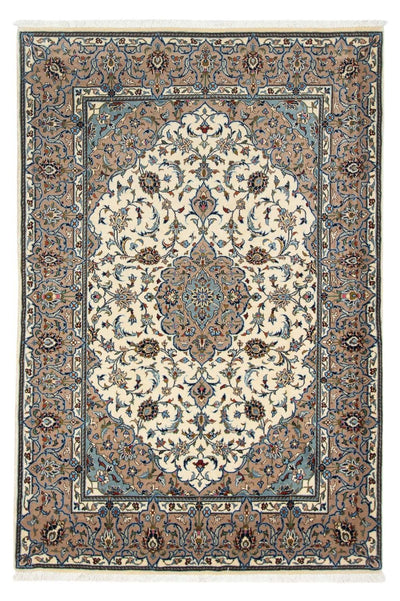
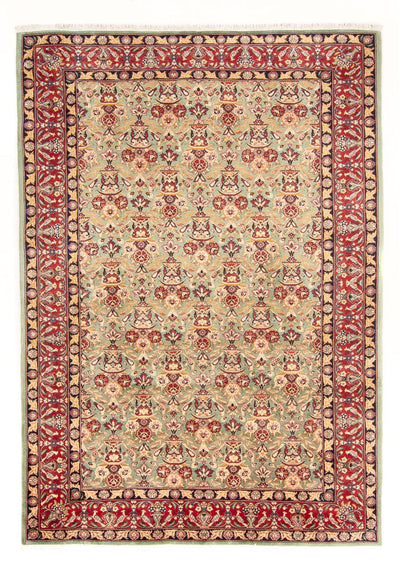
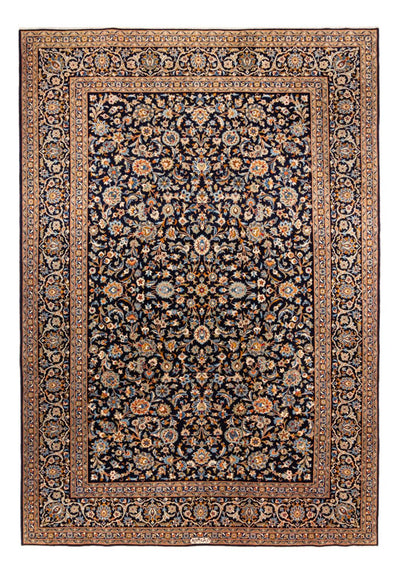


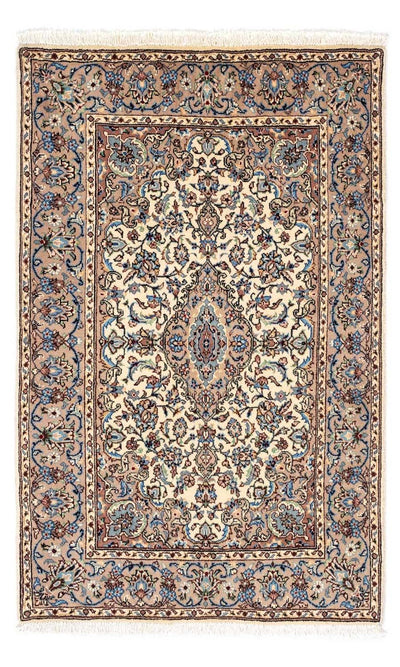
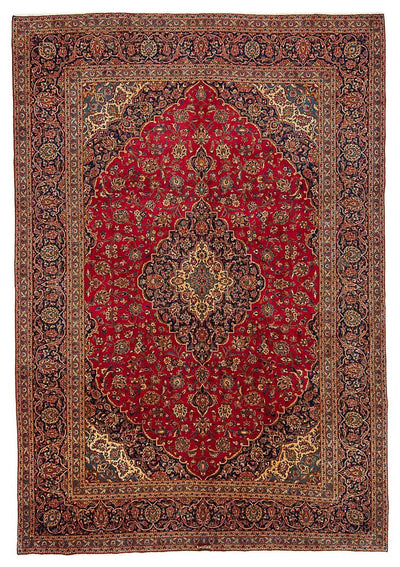
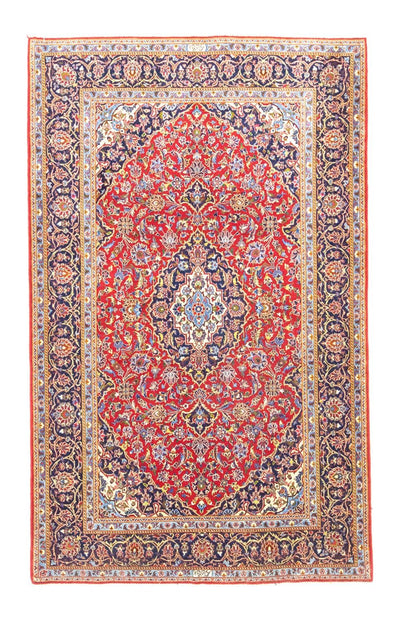

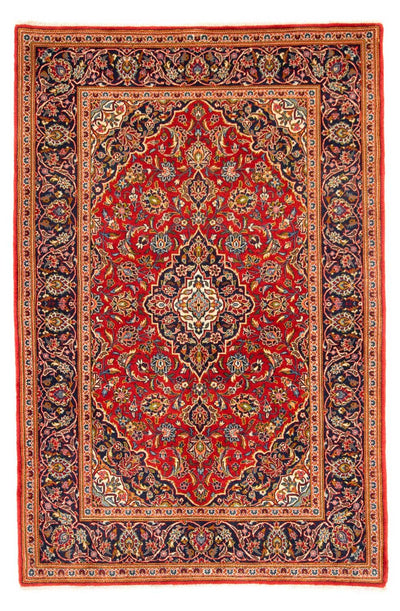
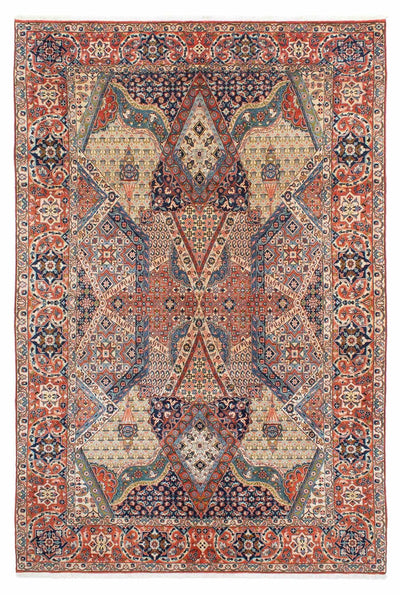

Keshan rugs are among the most sought-after Persian rugs in the world, combining centuries-old knotting artistry with exceptional quality. Originating from the Iranian city of the same name, these hand-knotted masterpieces impress with their fine patterns, refined colouring and remarkable durability.
The history of Keshan rugs dates back to the 16th century, when the city of Kashan became an important centre of Persian carpet art. The town lies south of Tehran in the central province of Isfahan and was once an important trading post along the historic Silk Road. Archaeological finds show that the knotting tradition in this region even dates back to pre-Christian times.
Kashan's reputation as a centre of the finest craftsmanship is embodied in the world-famous Ardabil Carpet, which is now on display at the Victoria and Albert Museum in London. This masterpiece is regarded as one of the most important carpet creations in the world and underlines the centuries-long expertise of the city's knotters. Since the 1950s, oriental rugs from Kashan have also enjoyed great popularity in Europe.
The tradition of these fine rugs is passed down from generation to generation. Each piece reflects Iran's cultural identity and combines Persian aesthetics with technical perfection. Over the centuries, Kashan's knotters have refined their techniques and continue to set standards in international rug production today.
A Keshan rug is traditionally made of high-quality virgin wool from the region, prized for its strength and natural elasticity. High-quality pieces also contain silk, used especially for delicate details and lustrous accents. The foundation is usually made of cotton, which gives the rug stability.
Knot density varies considerably, ranging from 90,000 to an impressive 500,000 knots per square metre. This high density allows extraordinarily detailed patterns and contributes to the exceptional durability. The rugs are knotted with the asymmetrical Persian knot, also known as the Senneh knot, which creates a particularly dense, hard-wearing pile.
A characteristic of Kashan rugs is the two weft threads between the rows of knots, which ensure additional stability and firmness. This special knotting technique distinguishes the rugs from those of other Persian production centres and is an important mark of quality. The wool used is often washed several times and spun by hand before it is processed.
The dyes come from both natural and high-quality synthetic sources. While traditional pieces used natural dyes exclusively, modern workshops rely on colourfast chrome dyes, which allow a wider colour palette with consistent lightfastness. The combination of first-class materials and precise craftsmanship makes every hand-knotted rug a durable object of value.
The most characteristic feature of a Keshan rug is the central medallion, which appears in various forms – from round and oval to diamond-shaped variants. This central ornament is usually accompanied by artistic corner spandrels that frame the design harmoniously and balance the composition.
Floral motifs dominate the design vocabulary: tendrils, blossoms, palmettes and arabesques wind across the entire field in delicate execution. The ornaments are often so richly detailed that they only reveal their full beauty on closer inspection. Besides medallion designs, there are also allover designs, in which a pattern is distributed evenly across the entire surface.
The colouring is marked by understated elegance. Classic pieces show predominantly red in various nuances – from deep crimson to warm brick red. The palette is complemented by blue in shades from midnight blue to turquoise, as well as beige, ivory and soft browns. This harmonious colour combination gives red oriental rugs their timeless appeal.
Modern interpretations extend the classic repertoire with contemporary colour palettes. While the traditional patterns are retained, knotters experiment with softer pastel shades or stronger contrasts. The design always remains true to its Persian heritage and preserves the characteristic balance between lavish ornamentation and a harmonious overall effect.
Keshan rugs are produced in numerous formats, with rectangular oriental rugs being the most common shape. Small formats start at around 40 x 60 cm and are ideal as prayer rugs or for small accent areas in the entrance.
Medium sizes such as 150 x 200 cm or 170 x 240 cm are particularly popular for living areas and form an elegant centrepiece under seating groups. These formats offer enough space for the complex medallion designs and allow the intricate ornamentation to come into its own.
Large pieces reach dimensions of 200 x 300 cm, 250 x 350 cm or even 300 x 400 cm. These prestigious pieces are suited to spacious rooms and set impressive design accents. At such dimensions, the full splendour of Persian knotting artistry comes to the fore.
In addition to the classic rectangular formats, runners are also produced for hallways and galleries. Square or round variants are rarer but are also made for special requirements. The price naturally rises with the size, as more working hours and material have to be invested.
As one of the finest living room rugs, a hand-knotted Keshan transforms the living room into an elegant haven of comfort. The classic look with medallion and understated colour palette harmonises beautifully with traditional interior styles but also works as an elegant contrast in modern interiors. In the living area, the rug creates a cosy atmosphere and visually defines seating groups.
In the bedroom, the soft wool provides pleasant comfort and gives the room a calm, elegant note. The warm red tones and harmonious patterns create a relaxing environment that invites you to linger. Medium formats placed in front of the bed or as a central area are particularly popular here.
These Persian rugs also make a prestigious statement in dining rooms. A sufficient size is important here, so that all chair legs remain on the rug even when the chairs are pulled back. The robust quality makes the rug suitable for everyday use, while its refined aesthetic visually enhances festive meals.
Elongated runner formats are recommended for entrance areas and hallways. They lend a prestigious note to the first impression when entering the house and demonstrate the residents' refined taste right from the entrance. The hard-wearing wool also withstands heavier use.
Regular care starts with careful vacuuming in the direction of the pile. Use medium suction and avoid rotating brushes, which could damage the fibres. Vacuuming once or twice a week removes surface dirt and preserves the natural beauty of the wool.
For fresh stains: act immediately, but gently. Blot liquids with an absorbent cloth without rubbing. Solid dirt can be carefully lifted off with a spoon. Aggressive cleaning agents or scrubbing can impair the delicate colours and should be avoided.
Professional rug cleaning is recommended every three to five years, depending on use. Specialist companies know the particular requirements of hand-knotted Persian rugs and use gentle methods. The investment in professional care pays off in a significantly longer lifespan.
Avoid direct sunlight over long periods, as UV radiation can fade natural dyes. Turning the rug regularly ensures even wear. For longer storage, the rug should be rolled, never folded, and kept in a dry, well-ventilated place.
You can recognise the quality of a genuine Keshan primarily by its knot density. Fold back a corner and look at the back: the finer and more even the knots, the higher the quality. Genuine handwork shows minimal irregularities that make up its individual character – in contrast to machine-made imitations.
The origin can often be traced via a signature or label. Reputable dealers provide information about the place of production, material and age. Be realistic about the price: high-quality hand-knotted pieces have their value, and extremely cheap offers often indicate machine-made goods or inferior materials.
Pay attention to the brilliance and evenness of the colours. Natural colour variations are normal and desirable, but blotchy or uneven dyeing is not. Rub a white cloth gently over the pile – high-quality dyes should not rub off, or only very slightly.
The Indo Keshan variant from India offers a more affordable alternative to original Iranian pieces. These Indo Keshan rugs are based on the classic design but are produced in India. They are well suited to newcomers but do not achieve the same knot density and longevity as Persian originals.
A true sign of excellent quality is the feel: high-quality virgin wool feels soft and full, not scratchy or stiff. The back should be cleanly finished and the fringes firmly anchored. A good rug lies flat on the floor without forming waves or bumps.
Since 1977 (in Hamburg since 2007), Morgenland has stood for expertise, quality and personal advice. In our Hamburg showroom we present a carefully curated selection of genuine hand-knotted rugs from the world's most important knotting regions. Every piece is personally selected by us and checked for quality.
Our decades of experience enable us to advise you competently and find the perfect rug for your needs. We know the origin of every piece, its history and its special characteristics. This transparency and our direct contact with workshops guarantee authentic quality at a fair price.
Shipping is secure and insured. You benefit from our expertise not only when buying, but also with questions about care and preservation. Regular discount promotions make high-quality rug art even more attractive.
In our showroom you can view the rugs at your leisure, touch them and experience them in different lighting conditions. This direct impression cannot be replaced by any online search. We take time for your questions and help you make an investment that will last for generations.
Look at the back: genuine hand-knotting shows clear, even knots and the pattern is visible. The fringes are a direct extension of the warp threads, not sewn on. Machine-made goods look blurred on the back and have glued-on or sewn-on fringes.
The price depends on size, knot density, age and material. Small formats start at around 500 euros, while large masterpieces can cost several thousand euros. Antique pieces or particularly fine silk rugs fetch considerably higher prices.
Regular vacuuming in the direction of the pile with medium suction is sufficient for everyday care. Avoid moisture and aggressive cleaning agents. Every three to five years, professional cleaning by specialists familiar with hand-knotted pieces is recommended.
Basically yes, as the robust wool is hard-wearing. However, with heavy use you should pay particular attention to removing stains quickly. Place the rug in less frequented areas or choose darker colour variants for heavily used rooms.
Persian originals from the city of Kashan generally have higher knot densities, finer wool and more traditional colouring. Indo Keshans from India are based on the classic design but often use different materials and do not achieve the same precision of detail. The price clearly reflects these differences.
On the contrary: high-quality, well-maintained pieces can gain in value, especially older pieces with a high knot density. These rugs are among the few everyday objects that can serve as an investment if cared for properly. Their longevity and timeless elegance make them sought-after collector's items.
First measure the available space. Under seating groups, the rug should be large enough for all the front legs of the furniture to stand on it. As a rule of thumb, leave at least 50 cm of space to the walls. A rug that is too small makes the room look restless, while a generous format creates cohesion.
Tradition, expertise & verified quality
Shop without risk
Simple & convenient home delivery
The right rug for every style

$38.00