


Since 1977: Your rug specialist
Tradition, expertise & verified quality
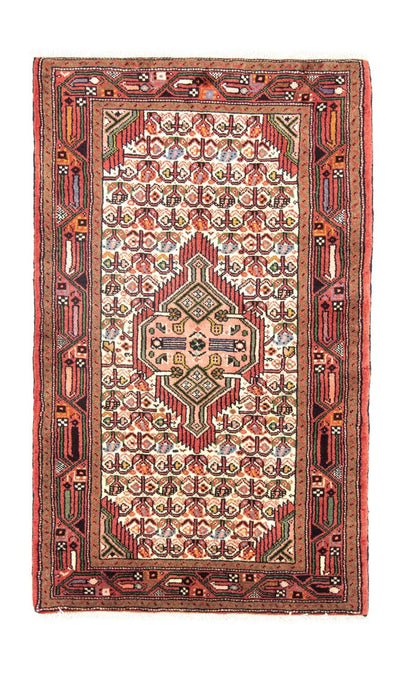
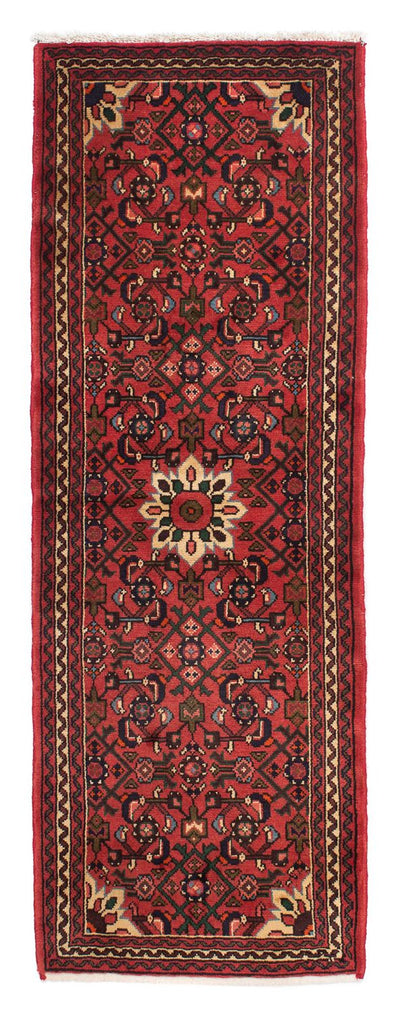
Nomad rugs - Enchantingly beautiful, particularly robust. These rugs are of the best quality/good quality. Rustic charm, warm natural tones in indigo blue and red and special durability characterize the nomad rug.
… Products

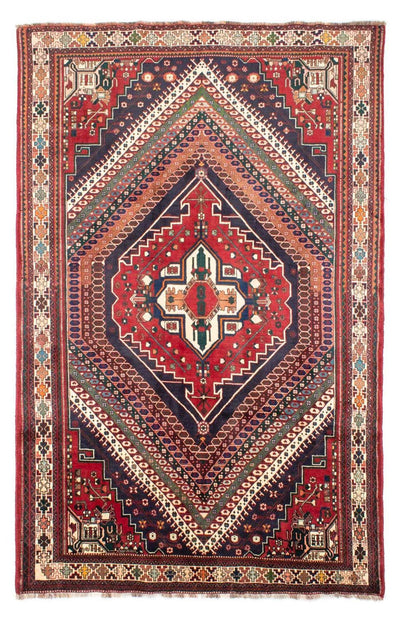

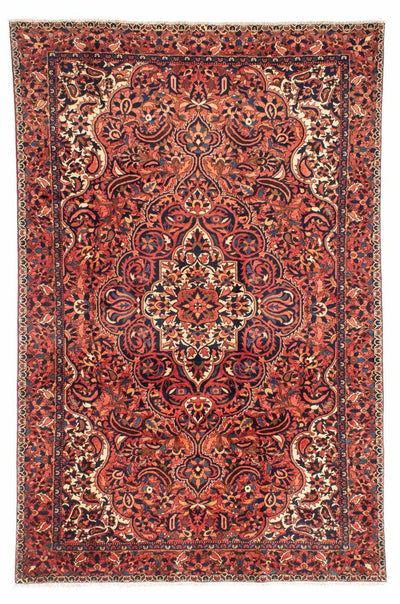
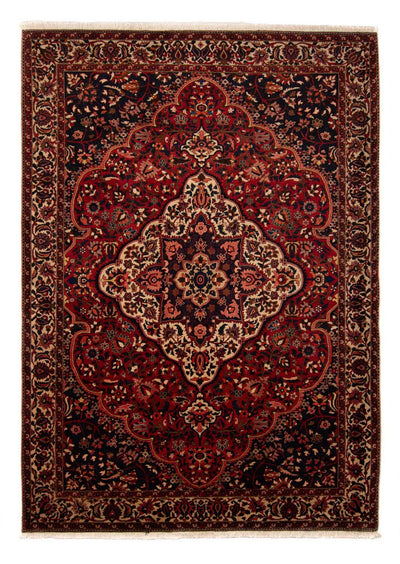
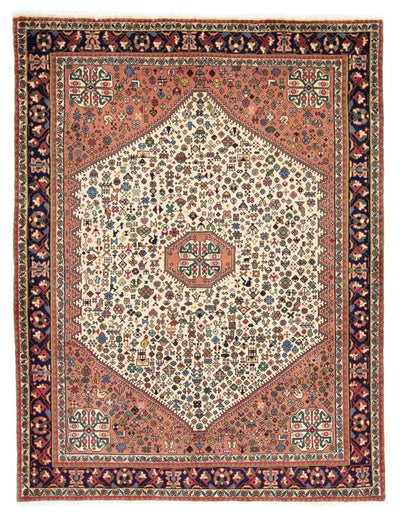
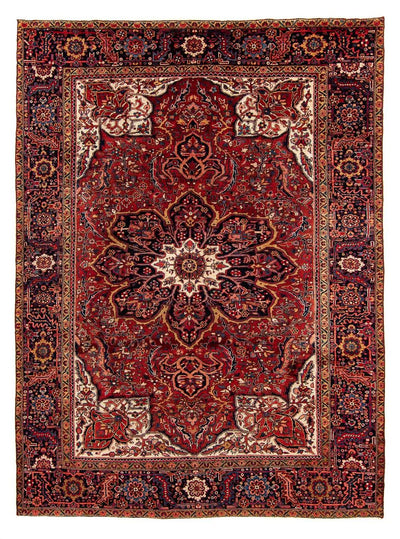


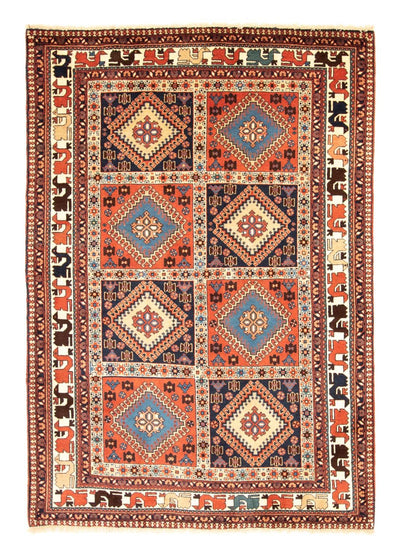
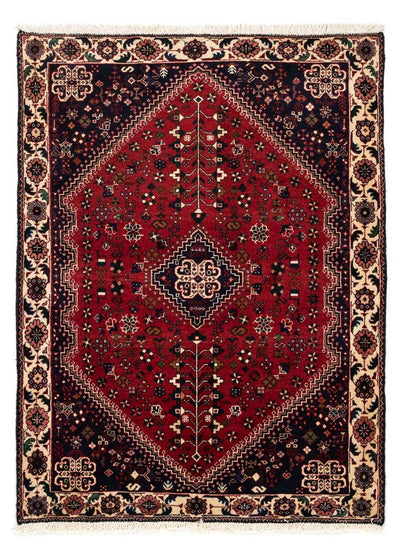

Nomadic rugs are a beautiful addition to any home. They bear witness to the tradition and craftsmanship of the nomadic peoples who make them. Every rug is unique and tells its own story.
They are not just decoration but also a symbol of the culture and history of nomadic peoples. Through the craftsmanship that goes into every nomadic rug, we can gain an insight into the life and traditions of nomadic peoples and bring a piece of their culture and history into our own four walls.
Nomadic rugs, especially from present-day Iran, are not just floor coverings but a living testimony to the rich culture of nomads, most of whom have now settled. These rugs, which often use wool from large flocks of sheep and herds of goats, are an essential part of the cultural heritage.
They reflect the culture and history of the nomadic peoples who have been making these Persian rugs for centuries. Known for their robustness and unique design, nomadic rugs are a popular antique collector's item and a stylish addition to any home.
Nomadic rugs reveal the identity and tradition of nomadic peoples. Every rug tells its own story through its patterns, colours and the way it was made.
Different nomadic tribes, such as the Ghashghai, have developed their own characteristic patterns and styles. These differ in colouring, complexity and symbolism, depending on their regional and cultural origin.
Nomadic rugs, known for their robust quality and characteristic patterns, were originally knotted for the nomads' own use.
They served as sleeping mats in the tents, protected horses' backs as saddle cloths and held belongings during migrations. Among the best-known examples are the Ghashghai (or Qashqai) rugs, which are typical of the nomadic rugs of Persia.
Making a hand-knotted nomadic rug takes great skill and patience. The knotters are inspired by colours and geometric shapes. Materials such as wool and cotton, known for their durability and pleasant feel, are typically used. The use of natural dyes and production on traditional looms make every rug unique.
The soft wool, often hand-spun, gives these rugs their special texture. The rugs are often hand-knotted in traditional patterns, with each region having its own characteristic colours and designs.
Making nomadic rugs is very time-consuming and requires traditional techniques and great skill. Every knot is tied by hand, which makes these rugs true works of art.
Nomadic rugs are made mainly from natural materials such as wool and cotton. The use of natural dyes creates a unique colour palette inspired by the nomads' surroundings.
When choosing a nomadic rug, pay attention to the quality of the materials, the fineness of the knots and the colouring. A good nomadic rug can give your room warmth and character and is at the same time an investment in art and history.
When buying a nomadic rug, look at the knot density, the material and the authenticity of the patterns. A high-quality nomadic rug is distinguished by fine knots and careful workmanship.
Nomadic rugs need careful care to preserve their beauty and quality. Regular vacuuming and occasional professional cleaning are recommended.
Nomadic rugs are traditionally knotted by hand. The process begins with spinning the wool or cotton, followed by knotting and often also dyeing with natural dyes.
Nomadic rugs are mainly made from natural materials such as wool and cotton. These materials are not only robust but also give the rug a special texture and warmth.
Tradition, expertise & verified quality
Shop without risk
Simple & convenient home delivery
The right rug for every style

$38.00