Since 1977: Your rug specialist
Tradition, expertise & verified quality
Oriental rugs combine exquisite craftsmanship with centuries-old tradition. Their diverse patterns, colors, and high-quality materials make them timeless works of art that enhance any interior design style.

Persian Rugs

Bidjar Rugs

Oriental Woven Rugs

Isfahan Rugs

Ghom Rugs

Keshan Rugs

Nain Rugs

Tabriz Rugs

Ziegler Rugs

Nomad Rugs

Kilim Rugs

Vintage Rugs

Unique Rugs

Gabbeh Rugs

Nepal Rugs

Premium Rugs

Ariana Rugs

Silk Rugs

Berber Rugs

Semi-antique Rugs

Picture Rugs

Patchwork Rugs

Usak Rugs

Kayseri Rugs

Yazd Rugs

Wiss Rugs

Waramin Rugs

Touiserkan Rugs

Tabatabai Rugs

Sharbabak Rugs

Sarough Rugs

Sarab Rugs

Sabsewar Rugs

Rudbar Rugs

Rafsanjan Rugs

Qaraja Rugs

Najafabad Rugs

Meymeh Rugs

Meschkin Rugs

Mehraban Rugs

Malayer Rugs

Mahal Rugs

Lilian Rugs

Kaschmar Rugs

Jozan Rugs

Joshaghan Rugs

Hosseinabad Rugs

Golpayegan Rugs

Ghoutshan Rugs

Gholtogh Rugs
… Products
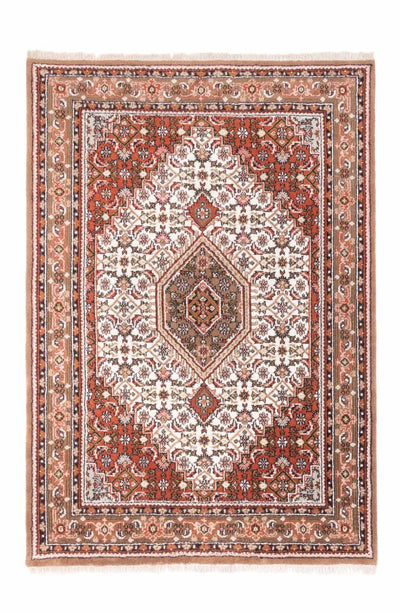
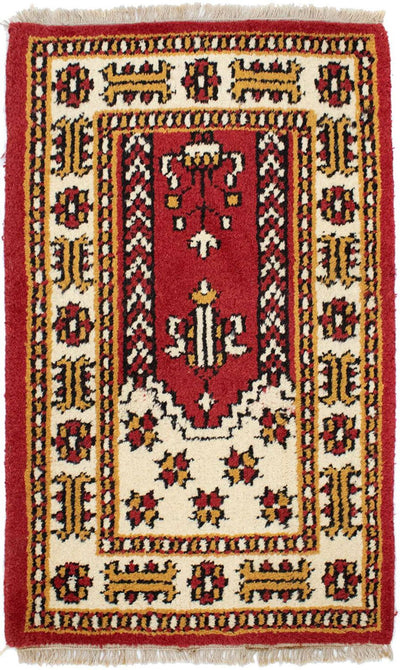
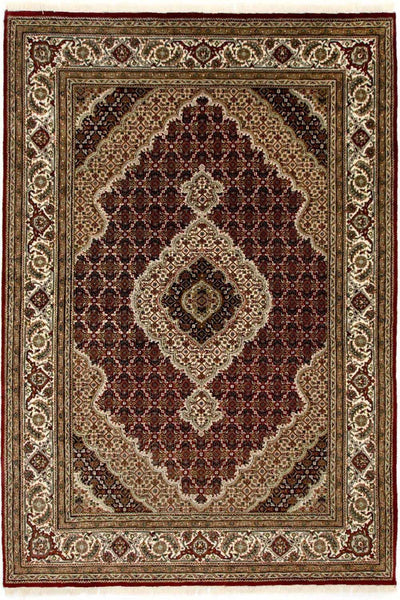
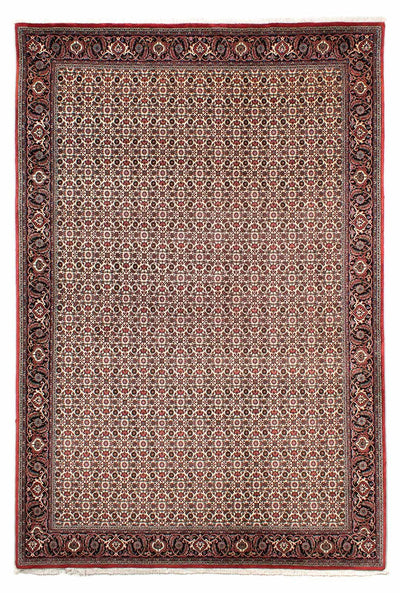
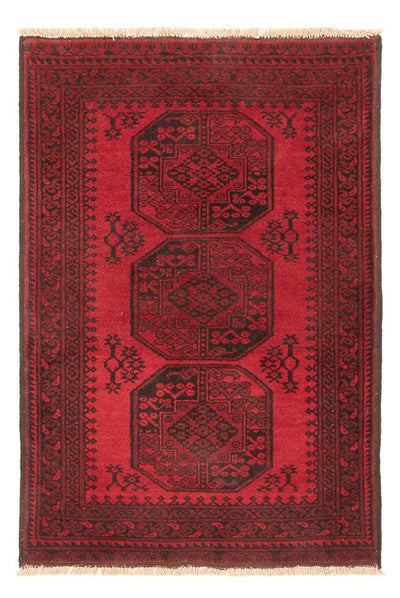
Oriental rugs represent centuries of craftsmanship, combining intricate patterns, rich colors, and exceptional quality. Whether you seek a handknotted Persian masterpiece or a vibrant silk rug, our collection offers authentic pieces that transform any room into an elegant space.
Oriental rugs originate from regions across Asia, including Persia, Afghanistan, Turkey, China, and Pakistan. These handcrafted textiles carry a tradition spanning thousands of years. Each rug reflects the culture and artistry of its region of origin. The foundation of every oriental rug lies in skilled craftsmanship passed down through generations. Artisans create these pieces using techniques refined over many years, ensuring each rug becomes a unique work of art. Our Perserteppiche collection showcases the finest examples of this ancient craft. The company Morgenland Teppiche has specialized in these authentic pieces since its foundation in Hamburg in 1977, building expertise that customers can expect when visiting our showroom or browsing our website.
The quality of an oriental rug depends significantly on its materials. Wool remains the most common material, prized for its durability and natural resilience. High-grade wool creates a soft pile that withstands decades of use. Silk rugs offer unmatched luxury, featuring a lustrous sheen and incredibly fine detail. Many weavers combine wool and silk to create rugs with dimensional depth and visual interest. Cotton typically forms the foundation, providing structural stability. The knot density determines a rug's quality and longevity. Fine rugs feature 250 to 500 knots per square inch, while exceptional pieces exceed 1,000 knots. This knot density directly impacts the clarity of patterns and the rug's ability to maintain its form over time. Handknotted construction remains the hallmark of authentic oriental rugs. Artisans tie each knot individually around warp threads, a process requiring immense patience and skill. A single rug can take months or even years to complete, depending on size and complexity. Our Seidenteppiche exemplify the pinnacle of this meticulous craft, showcasing what true expertise can create.
Oriental rugs display an extraordinary variety of patterns, each carrying cultural significance. Medallion designs feature a central motif surrounded by intricate borders, symbolizing unity and balance. Floral patterns incorporate stylized blossoms, vines, and leaves, representing paradise gardens. Geometric designs use angular shapes and repeating motifs, often seen in tribal and nomadic rugs. The color palette varies by region and age. Traditional Persian rugs favor deep reds, blues, and ivory tones. Turkish rugs often incorporate warmer hues like terracotta and gold. Natural dyes from plants, minerals, and insects create colors that develop richer tones over time, unlike synthetic alternatives that may fade. Many patterns hold symbolic meaning. The tree of life represents growth and connection. Boteh motifs, resembling stylized leaves, symbolize eternity. Animals and birds appear in some regional styles, each carrying specific cultural significance. Our Ziegler Teppiche blend Persian tradition with softer, more accessible color palettes that suit modern rugs aesthetics while honoring traditional patterns. Understanding these design elements helps you select the right rug for your space and appreciate the artistry behind each piece.
Oriental rugs come in diverse sizes to accommodate different spaces. Small accent rugs measure approximately 60 x 40 cm, perfect for entryways or beside furniture. Medium rugs range from 200 x 150 cm to 240 x 170 cm, ideal for defining seating areas. Large rugs span 300 x 200 cm to 400 x 300 cm, anchoring entire rooms. Runners typically measure 80 to 100 cm wide and extend several meters in length. These work exceptionally well in hallways, kitchens, and alongside beds. Round and oval formats offer alternatives to rectangular shapes, creating visual interest in circular spaces or beneath round dining tables. When selecting size, consider the room's dimensions and furniture arrangement. A rug should extend beyond furniture edges, creating a cohesive visual foundation. In dining areas, ensure the rug accommodates chairs even when pulled out. Living rooms benefit from larger rugs that unify seating arrangements. The selection at morgenland-rugs.co.uk includes comprehensive sizing options to match any room configuration, ensuring you discover the perfect dimensions for your space.
Oriental rugs enhance virtually any room in your home. Living rooms benefit tremendously from these pieces, as they anchor seating areas and add warmth. A well-chosen rug defines conversation spaces and introduces color and texture that complement existing décor. Position the rug so front furniture legs rest on it, creating visual connection. Bedrooms gain instant coziness with oriental rugs placed beside or beneath beds. The soft pile feels pleasant underfoot each morning. Choose colors that promote relaxation, such as soft blues or muted earth tones. Our Schlafzimmer Teppiche collection offers options specifically suited to private spaces. Dining rooms require durable rugs with low pile heights and the right place under the table so chairs move smoothly. Ensure the rug extends at least 60 cm beyond the table on all sides. This prevents chair legs from catching on edges during use. Entryways and hallways welcome runners that guide traffic flow while protecting floors. These high-traffic areas demand robust construction and patterns that disguise minor wear. Even kitchens can accommodate oriental rugs, particularly flatweave kelim styles that resist stains and clean easily. The key lies in matching the rug's characteristics to each room's specific demands, ensuring both beauty and practical function.
Proper maintenance preserves your oriental rug's beauty for many years. Regular vacuuming removes surface dirt before it penetrates deep into the pile. Use a vacuum without a beater bar, as aggressive brushes can damage delicate fibers. Vacuum in the direction of the pile at least weekly in high-traffic areas. Address spills immediately to prevent permanent staining. Blot liquids with clean, white cloths, working from the outside toward the center. Avoid rubbing, which spreads the stain and damages fibers. For stubborn marks, consult professional cleaners experienced with oriental rugs rather than using household chemicals. Rotate your rug every six months to ensure even wear and sun exposure. This simple step prevents one area from fading or flattening while others remain pristine. Keep rugs away from direct sunlight when possible, as UV rays fade natural dyes over time. Professional cleaning every three to five years refreshes fibers and removes embedded dirt that vacuuming cannot reach. Specialists understand how different materials and dyes respond to cleaning processes, ensuring safe treatment. Proper care represents a small investment that protects the larger investment you made in quality craftsmanship. With attention to these practices, your rug will maintain its appeal and potentially increase in value as it ages gracefully.
Selecting an oriental rug requires attention to several quality indicators, and at Morgenland Rugs this means looking closely at handmade and designer rugs. First, examine the knot density. Turn the rug over and count knots within a one-inch square. Higher density generally indicates finer quality and greater durability; for example, Nain Teppiche often command premium prices because of their high knot density. However, tribal and nomadic rugs may have lower density while still offering excellent quality and character. Check material composition. Genuine wool feels soft yet springy, returning to shape when compressed. Silk exhibits a distinctive sheen and cool touch. Avoid rugs with synthetic materials unless specifically seeking modern reproductions. Natural materials age beautifully, while synthetics often deteriorate and fade. Inspect the symmetry and precision of patterns. Slight irregularities prove handmade authenticity, but major flaws suggest poor craftsmanship. Colors should appear harmonious, even when vibrant. Natural dyes create depth and variation, while synthetic dyes often look flat and uniform. Verify authenticity through documentation when available. Reputable sellers provide information about origin, age, and materials, and own production facilities can support consistent quality control. Be cautious of prices that seem unusually low, as genuine handknotted rugs require substantial time and skill to create. Consider your budget realistically. Quality oriental rugs represent significant investments, but they last decades and often appreciate in value. Paying more initially for superior craftsmanship saves money over time compared to replacing inferior rugs. Our website offers transparent information about each rug's origin, materials, and construction, with an inventory of over 100,000 rugs across categories to help you find suitable options. The rug finder tool on our site simplifies the selection process by filtering options based on your preferences across that broad stock.
Morgenland Teppiche has served customers since 1977, building a longer tradition of quality and service that spans generations and signals reliability. Our Hamburg location allows customers to experience rugs in person, examining texture, colors, and craftsmanship before purchase. This hands-on approach ensures complete satisfaction with your selection. Our collection represents decades of relationships with artisans and suppliers across oriental rug-producing regions. This network provides access to exceptional pieces and products across both traditional and contemporary rug styles that meet our rigorous quality standards. Each rug undergoes careful evaluation before joining our selection, ensuring authenticity and craftsmanship. Expert guidance distinguishes our service. Our team possesses deep knowledge of rug construction, regional styles, and care requirements. We help customers navigate the selection process, answering questions and providing recommendations based on individual needs and preferences, because personal support means a better buying experience. This expertise transforms shopping from overwhelming to enjoyable. Transparent pricing reflects fair value for quality. We explain what factors influence cost, from knot density to material rarity, helping customers understand their investment. No hidden fees or unexpected charges, just honest pricing backed by quality guarantees. Convenient delivery options ensure your rug arrives safely with fast handling, whether ordered online or selected in our showroom. Our shipping partners handle each piece with care, and free shipping for UK shoppers adds value while protecting your investment throughout transit. Payment partner logos on our site indicate secure transaction processing, giving you confidence when paying for your purchase. Reviews from satisfied customers and popular customer feedback testify to our commitment to service and quality. These authentic testimonials provide insight into the experience you can expect when choosing Morgenland. The combination of tradition, expertise, selection, and service makes Morgenland Teppiche the ideal partner for finding your perfect oriental rug.
Examine the back of the rug closely. Handknotted pieces show the same pattern on both sides, though the reverse appears less defined. Machine-made rugs display a uniform backing, often with visible glue or latex. Check for slight irregularities in pattern and color, which indicate handwork. Fringe should extend from the rug's foundation, not sewn on separately as in manufactured rugs.
Quality varies by rug type and origin. Fine city rugs typically feature 250 to 500 knots per square inch. Tribal and nomadic pieces may have 100 to 200 knots yet still offer excellent durability and character. Higher knot density allows more detailed patterns but does not automatically indicate superior quality. Consider the overall craftsmanship, materials, and design rather than focusing solely on knot count.
Absolutely. Oriental rugs complement modern spaces beautifully, providing warmth and texture that balance minimalist furnishings. Choose rugs with simpler patterns or muted color palettes for contemporary settings. Nain Teppiche and certain Gabbeh styles work particularly well in modern rooms, offering traditional craftsmanship with cleaner aesthetics, and silk or silk-blend details can subtly change with the viewing angle.
Prices vary widely based on a number of factors, including size, materials, age, and knot density. Small, newer rugs may start around several hundred dollars. Medium-sized, high-quality pieces typically range from one thousand to several thousand dollars. Large, antique, or exceptionally fine rugs can command significantly more. Remember that quality oriental rugs represent long-term investments that often appreciate in value, making the initial money spent worthwhile over many years of enjoyment.
Yes, with appropriate selection. Choose rugs with durable wool pile and sturdy construction for hallways and entryways. Flatweave kelim rugs handle heavy traffic particularly well. Avoid delicate silk pieces or those with very high pile in these spaces. Proper padding underneath prevents slipping and extends rug life. Our Flur Teppiche collection includes options specifically suited to these demanding areas.
Measure your space carefully before shopping, especially if you want a coordinated rug set across connected spaces. In living rooms, ensure the rug extends under at least the front legs of all seating pieces. Dining room rugs should extend 60 cm beyond the table on all sides to accommodate pulled-out chairs, so measure first before you order. Bedroom rugs can run beside the bed or extend partially underneath. When in doubt, choose a larger size rather than too small. A rug that appears too small can make a room feel disjointed and cramped.
Both offer distinct advantages. Antique rugs provide historical significance, unique character, and often exceptional craftsmanship using techniques rarely practiced today; see our related article for a fuller guide. They have proven their durability over decades. New rugs offer pristine condition, consistent quality, and the satisfaction of being the first owner. They also come in larger sizes more easily than antiques. The choice depends on personal preference, budget, and intended use. Our Antike & Halbantike Teppiche collection includes carefully curated vintage pieces for those seeking historical character, with more certainty than less specialist channels where a condition or delivery problem may only become clear after the rug is delivered.
Tradition, expertise & verified quality
Shop without risk
Simple & convenient home delivery
The right rug for every style

$38.00